Book
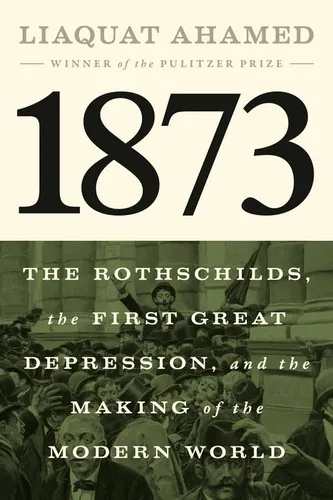
1873: The Rothschilds, the First Great Depression, and the Making of the Modern World
Liaquat Ahamed's book (Penguin Press, 2026) about the financial panic of 1873, the twenty-year deflation that followed it (the "first Great Depression"), and its political consequences in Europe and the United States.
Ahamed is a former financier: he ran the World Bank's investment division and then the New York asset manager Fischer Francis Trees & Watts. His first big book, Lords of Finance (2009), about the central bankers who drove the world into the Great Depression, won the Pulitzer Prize for History. In 1873 (368 pages, published in June 2026) he goes back half a century: bankers in Britain, France, Germany and the US finance one another's railways and canals and gamble on the debts of the Ottoman Empire, Egypt and other countries. The book's through line is the abandonment of silver as a monetary anchor at a time when hardly any new gold deposits were being found; in Ahamed's view, this led to decades of ruinous deflation. The Rothschilds appear as large but cautious players who kept to the shadows, and yet every time markets crashed, someone blamed the Jews. The book is full of anecdotes: Sultan Abdul Hamid II kept not only a food taster but a taster for the first puff of his cigarettes, and US Secretary of State James Blaine threatened Canada with the high tariffs of 1890 unless it agreed to become an American state.
In the episodes
1- October 14, 2026Liaquat Ahamed on Financial Crises, Gold, and the Lessons of 1873mentionedConversations with Tyler
- 00:25Ahamed's new book and the occasion for the conversation