
The Peter Attia Drive
Chapters
Klickstein left academic medicine for industry so he could take on diseases nobody was working on.
Read the chapter- Klickstein took an MD-PhD, practiced rheumatology for about ten years and ran an NIH-funded lab on immune adhesion molecules at Brigham and Women's Hospital, the only place he worked before industry.
- He joined the Novartis research institutes that Mark Fishman had been recruited by CEO Dan Vasella to build, and says that group brought the whole concept of translational medicine into industry.
- Attia says the first clear account of drug discovery he ever read was Steven Rosenberg's The Transformed Cell, a book he has read cover to cover about ten times.
- Klickstein splits discovery into incremental improvements — atorvastatin and rosuvastatin arriving in a Mevacor and Zocor world — and quantum steps, which fewer people attempt because the risk and uncertainty are larger.
Fishman told the team to find what Novartis was not doing but should be, and bimagrumab came out of that exercise.
Read the chapter- Klickstein's team wrote down roughly 7,000 clinical indications, ten or twenty pages of paper, and sorted them into seven or eight buckets, among them healthy aging, ENT, renal disease and fibrotic disease.
- The program grew to dozens of projects and had to be whittled down, but the bimagrumab work on muscle disease came out of it.
- The starting point was the medical need of frail elderly people: by the data Klickstein remembers, three-year mortality for a patient who had to move into a nursing home approached 90%.
- Klickstein says plenty of diseases have outcomes worse than cancer and are not treated the same way; Attia calls the number staggering and says he had not known it.
There are several formats of treatment, and a large company today is agnostic about which one it uses.
Read the chapter- Small molecules are simply chemicals: Klickstein points out that the biggest drug companies started more than a hundred years ago as dye companies, because the chemistry of a dye and of a drug are much alike.
- Biologics are nearly everything that is not a chemical — antibodies, peptides, soluble receptors — while gene therapy he puts in a category of its own, and devices are regulated by their own FDA center, CDRH.
- Devices run from a syringe to an auto injector to an app to an implant, and any combination of them.
- Every big company now does small molecules and biologics, many do gene therapy and some cell therapy; the format is chosen either by the disease itself or by the infrastructure the company has.
A patent leaves ten to fifteen years to earn the investment back, and pharma stretches that window however it can.
Read the chapter- Klickstein measures a new drug against building the Burj Khalifa: thousands of people, many years, more than a billion dollars — except a building has decades to pay its bondholders and a drug has only its patent life.
- The patent term is twenty years from filing, but in practice ten to fifteen years of exclusivity remain once the drug can be launched, and the regulatory exclusivity periods differ between small molecules and biologics and change periodically.
- Attia raises Coca-Cola, which chose a trade secret over a patent; Klickstein confirms pharma does it too, with Armour Thyroid from desiccated pig thyroid and Acthar Gel from pig pituitaries both protected by secret process.
- Acthar Gel was cheap and a rheumatologist's favorite for an acute gout attack until the BSE scare pulled it from the market; after it was sold to a very small company the price went up a hundred- or thousand-fold, which Klickstein calls a stupid bad pharma trick.
- Companies patent the composition of matter, the formulation, the salts, the auto injector, the indication, the dose and the manufacturing method; Attia describes how AbbVie staggered its Humira filings to stretch the protection, and Klickstein says the practice can be abused.
Klickstein takes muscle weakness as the worked example and explains why risks have to come off one at a time.
Read the chapter- The definition of sarcopenia is still evolving, he says, but it is converging on decreased muscle mass with impaired function, measured by grip strength, gait speed or stair climb.
- With both a new target and a new indication a program carries something like twenty risks — target, format, bioavailability, toxicity — and at 90% each the product is zero.
- So risks are minimized at every step except the one accepted deliberately, and the aim is to fail early: the worst outcome is failing in phase three, and worse still is succeeding in phase three and failing commercially.
- Choosing sarcopenia over Duchenne muscular dystrophy, Klickstein owns his bias: he has limited time, so he works on large indications, even though the regulatory path for an orphan disease is shorter — and he has run both strategies.
The falls program was stopped not by the drug but because falls could not be measured objectively.
Read the chapter- Attia cites data on great toe strength as a predictor of falls; Klickstein argues that about eleven different things cause falls — weakness, dizziness, vision, attention — and Attia adds the loss of reactive foot speed and proprioception.
- In clinical practice only the falls that cause injury are ascertained, and patients are reticent about reporting falls because they fear being judged unsafe and taken out of their homes.
- Klickstein designed a study around a triaxial accelerometer pendant: first validate the device on bad ice skaters with video as the positive control, but the internal funding process told him to cut that half.
- With the geriatrician Lou Lipsitz the study ran in a single nursing home: 60 residents who had already fallen in the prior six months, six months of follow-up, 117 real falls — the device detected only 17% of them and was no use.
- A second approach, measuring movement at home from radio reflections the way Dina Katabi does at MIT, also went nowhere, and the whole program was stopped; asked why not simply have participants report their falls, Klickstein cites worry about recall bias and about how device-savvy older people were at the time.
The team chose to block the receptor rather than myostatin, because in people myostatin is not the whole brake.
Read the chapter- Se-Jin Lee discovered myostatin, and in rodents blocking it turns a mouse into an Arnold Schwarzenegger mouse; Attia remembers the images of knockout mice, chickens, dogs and cattle from 1997, when no human with the mutation was known.
- In humans the brake turns out to be myostatin plus the activins, mostly activin A, so bimagrumab shuts the type II activin receptor instead of catching ligands one at a time.
- The signal runs through the TGF beta superfamily of receptors and the SMAD proteins, while muscle protein is taken apart by MuRF1 and MAFbx, discovered in part by David Glass — he and Chris Lu ran the laboratory half of the project, which is where the code BYM338 came from.
- On follistatin, sold for research purposes only, Klickstein says it is a short-lived protein: it would have to be dosed several times a day, and at its price that would run around a million dollars a month.
Graft an antibody tail onto a protein and the drug lives far longer in the blood — which is how the first drug of the kind was made.
Read the chapter- Klickstein credits the Fc fusion technology to Brian Seed at Massachusetts General Hospital, and the first drug built on it was Enbrel, etanercept, a trap for TNF.
- Etanercept was tested first in sepsis, on the reasoning that sepsis is an exuberant inflammatory reaction, and it made patients worse; in rheumatoid arthritis the result was amazing.
- The Fc does two things: the protein starts recirculating the way the body's own blood proteins do, and it gains a hook that makes it easy to purify on protein A and protein G columns.
- Immunex licensed the technology from the hospital; the patents have expired and anyone can now use it free, which Klickstein thinks leaves everybody better off.
An antibody was chosen to block the receptor because a small molecule cannot bind tightly enough.
Read the chapter- The ligands take the receptor at nanomolar, even high picomolar, affinity, so an inhibitor has to bind in the low picomolar range; Attia restates it as having to be stickier than what is already sticking.
- The project ran with MorphoSys: phage display tested maybe thousands of antibodies, then came the usual developability and maturation cycle; nobody has made antibodies in mice for 15 or 20 years, though Klickstein once immunized mice himself and grew hybridomas as ascites tumors.
- Type 2 activin receptors sit on the cell surface at such low levels that flow cytometry cannot see them, so the team built a reporter assay: the cells glowed with firefly luciferase when ligand bound, and the screen looked for the glow going down.
- The antibody had to block both myostatin and activin and work on every fiber type; what came out was 2B-preferential but hits 2A as well.
- Finding candidates took years and millions of dollars rather than tens of millions; Attia likens the stage to the permitting, the excavation and the foundation of a skyscraper, and Klickstein puts the cost of one approved drug, by the Tufts estimate, at two, three or four billion dollars.
Immunogenicity cannot be predicted before a human gets the drug, and in rodents the antibody added more muscle than knocking myostatin out entirely.
Read the chapter- A humanized antibody is a foreign one with as much as possible swapped for human sequence; a fully human one starts from human genetic material, but something new always remains in the sequence, and the immune response cannot be known until the drug goes into people.
- The first antibodies ever given to humans were mouse: OKT3, used against transplant rejection, hits every single T cell, and antivenoms are still made from horse serum — which on second use brings a ferocious serum sickness.
- A drug has to work in at least one of the two toxicology species: bimagrumab is immunogenic in mice but not rats, so for mouse work it was murinized into a construct called CDD866.
- Muscle mass in mice rose about 30%, the animals were stronger and ran faster, and the effect beat the myostatin knockouts; in humans the gain is four to eight percent, and nearly everyone tested was older.
- As soon as the antibody worked in mice, Klickstein started the process with WADA so athletes could be screened: the assay has existed for more than ten years, and whether anyone has been caught he has no idea.
The decision is made on the whole weight of evidence, and the two questions that matter are whether the toxicity is monitorable and whether it is reversible.
Read the chapter- For therapeutic antibodies one of the two toxicology species is usually a non-human primate, so that both on-pathway and off-pathway toxicity can be seen.
- If bimagrumab turned out unsuitable for a large population, Klickstein would move to patients of higher medical need, Duchenne muscular dystrophy for example, where the adverse effects are outmatched by the benefit.
- Irreversible cardiac or neurologic toxicity usually ends a program; Attia raises Lamisil as the opposite case, the idiosyncratic liver toxicity that, Klickstein says, cannot be predicted preclinically and is still the most common reason drugs are pulled from the market.
- In primates bimagrumab produced weaker muscle hypertrophy than in rodents, but enough to go on; making enough antibody for large animals took time and money, so all of it ran in parallel.
Money is raised to reach the step that creates value, and even inside a big company a project's resources run out.
Read the chapter- Klickstein puts the road from candidate to phase one, with a runway for the next round, at roughly 20 million dollars in today's money, maybe a little more depending on where the manufacturing is done; Attia says he would have guessed higher.
- For bimagrumab the value-creating step would have been showing muscle hypertrophy in the very first human study, so he would have built phase one long enough and large enough to see it, even though formally only safety and tolerability are required.
- Big companies have two to four major checkpoints with slide decks and course corrections; Klickstein notes that a small company sometimes has more capital available per project, because it has one to three programs and a big company has hundreds.
- Before the IND come rodent and non-rodent toxicology and DMPK — distribution, metabolism, pharmacokinetics: animals get courses of therapy and blood tests, sometimes x-rays, and are then autopsied to look for microscopic changes.
- Attrition from candidate to first humans is low for therapeutic antibodies — about 30% get into people, by Klickstein's estimate — because antibodies, unlike small molecules, generally have no off-target effects; Attia offers the CETP inhibitor, which lowered LDL but raised blood pressure, as the counterexample.
Manufacturing is a core part of the IND, and it is what you are paying for when you buy a drug from a company instead of a website.
Read the chapter- An IND is the request for regulatory permission to give the drug to people; in Europe the same thing is a CTA, and the first study can be run in any country with a proper regulatory environment, investigators and quality.
- Patents are typically filed once there is a group of candidates to choose the drug from: you want the term to last as long as possible, but the protection has to be in place before word gets out.
- GMP is a commitment to high quality standards with documentation so that what is on the label is what is in the bottle and nothing else is; the chain usually involves several companies — one makes the substance, another formulates it, a third packages it, a fourth distributes it.
- On buying retatrutide online, Klickstein says it is no different from buying an opioid from a street dealer: it could be fentanyl, carfentanil or baking soda, and there is no way to know.
- On BPC-157 he adds that all the data come from a single investigator, the peptide is not encoded in the human genome and it has no known receptor; Attia puts it on the podium of grift in the health and wellness industry.
The one worrying animal signal could be explained away, and doses are set so that human exposure stays under what was tested.
Read the chapter- In rats on bimagrumab Klickstein saw cardiac hypertrophy, but normalized to body size the heart was normal — and that was the argument made to regulators.
- Whether the antibody acted directly on the cardiac myocytes or the heart was working against more resistance could not be determined; in the recovery period after dosing stopped the muscles shrank and the heart shrank a little too.
- In toxicology the dosing aims for exposure above anything expected in humans: the animals got the drug weekly, and both peak and trough concentrations are measured, because which one drives toxicity is not known in advance.
- Klickstein notes the exception: with nasty oncology drugs the toxic and therapeutic exposures are the same or lower, but the medical need is so great that the toxicity is accepted.
Klickstein will not accept more than about a one in a hundred thousand chance of harming a volunteer.
Read the chapter- The rule he takes from Bob Schmouder: you want to test a drug in the cleanest population you can, but the risk of something serious happening to a volunteer should not exceed the chance of being struck by lightning in a year — about one in 100,000 in the US.
- The FDA does not require it, but if the risk is higher Klickstein goes to patients who might benefit from the therapy; all of it is laid out in plain English in the consent form.
- In thirty years in the business, he reckons something serious happens to healthy volunteers about once a decade: TeGenero's TGN1412, an agonist antibody to CD28 that cross-linked the receptor and set off an acute cytokine release — with the active drug given to six people at once — and, separately, Bial's small molecule BIA 10-2474.
- Sentinel dosing came out of that history: one or two participants in a cohort are now dosed first; Attia remembers the death of a healthy volunteer at Hopkins, where the trouble came from a procedure rather than a drug.
- Both recall volunteering for studies for the money: Attia still has scars on his wrists from arterial lines at Stanford, and Children's Hospital loved Klickstein as a subject for brain activity mapping because he was already bald as a medical student.
The first study ran in older healthy volunteers and turned up three effects tied to the target.
Read the chapter- Healthy volunteer does not mean young: it means someone with no diagnosable disease or concomitant medications that would confuse the assessments — and for bimagrumab they took older people, in whom they hoped to see an effect.
- The studies were run by Dan Rooks and Ronenn Roubenoff; muscle mass was measured by DEXA, and at various times MRI, along with strength and soluble muscle proteins in blood — CK, aldolase, LDH.
- Three adverse effects Klickstein considers on target: muscle cramps, acne, which was more common in younger participants for reasons nobody understands, and diarrhea, usually after the first dose.
- In a first study he prefers to climb as high as possible without exceeding the exposures tested in animals, impurities included: the highest dose reached something like 50 to 100 mg/kg, and after the single dose they did, as he recalls, three doses.
The country is picked on recruitment, investigators, the regulatory environment and cost.
Read the chapter- The three biggest challenges of any study, Klickstein says, are recruitment, recruitment and recruitment; after that come the quality of the investigators, a supportive regulatory environment and the cost.
- Germany, Australia and New Zealand are common choices now, and over the past year or two China, where investigator-initiated studies can run on less supporting data and patients are plentiful.
- Klickstein himself loves the US and Taiwan: a centralized clinical environment, many patients at a limited number of sites and a regulatory setup much like the American one; in Australia safety is assessed by the ethics committee and drug quality by the regulator, hence a notification process rather than an approval.
- Data from one country are included in the application to another; the exception is Japan, where a large trial requires a phase one in Japanese people by a formal definition of who is Japanese — ethnic sensitivity studies Klickstein likes to run in Hawaii.
Novartis ran about sixteen phase two studies, and the drug reliably added muscle without moving the functional measures.
Read the chapter- The gain in humans was four to eight percent against 20 to 30 percent and more in rodents; the spread comes from biology rather than dose, with more in men and in younger people.
- The same thing happened with IGF-1 agonists and androgen agonists, the SARMs included: muscles can be made larger, but without resistance training they do not get stronger.
- In a study at three levels of protein calorie nutrition — half the recommended amount, the recommended amount and one and a half times it — the more protein participants ate, the more muscle they built; on half the amount people lost muscle, and bimagrumab prevented that.
- Klickstein regrets never finishing the nutritional component they wanted to co-develop with the drug: Novartis sold its medical nutrition unit, to Nestlé he thinks, the rug was pulled out from under them, and with nutrition in hand, he says, they would have understood everything years sooner.
A meta-analysis put the gain at nine meters in six minutes, and Novartis moved the drug out of the company.
Read the chapter- An academic group pooled the Novartis studies: with a four to eight percent gain in muscle mass, six-minute walk distance rose by nine meters — and neither Attia nor Klickstein thinks that will keep anyone off the floor.
- Attia calls the six-minute walk his least favorite test in the world; Klickstein agrees it is surprisingly hard to standardize, but it was in multiple studies, which is why the meta-analysis could use it.
- The last Novartis study ran 48 weeks in type 2 diabetics at 10 mg per kg monthly for 12 doses: muscle mass rose, fat mass fell substantially, and hemoglobin A1C came down 0.7 to 0.8% in absolute terms.
- Klickstein credits both more insulin sensitivity and a larger reservoir for glucose disposal; participants did nothing else, and both groups got standardized dietary advice.
The drug was pulled out of Novartis into a company of its own, and the money appeared only after Novo's semaglutide data.
Read the chapter- Klickstein was advising Aditum Bio at the time with Joe Jimenez, Mark Fishman and Praveena Kandula; the rights to bimagrumab came across in 2021, and Aditum paid for the deal itself.
- Versanis Bio was founded in February 2021 with Ilan Zipkin; they talked to about 53 investors and almost none were interested, because the indication was sarcopenic obesity and obesity was considered a wasteland for drug development.
- They raised 70 million dollars instead of about a hundred: Atlas Venture with Michael Gladstone and Medicxi with Vanni Mariggi and Nick Williams liked the story.
- Once Novo's semaglutide data landed the company repositioned fast: in mouse studies bimagrumab's effects were additive with semaglutide, tirzepatide and liraglutide, and Klickstein calls the fat loss and lean mass preservation of the combination unprecedented.
- The board brought in Mark Pruzanski as CEO and Ken Attie as chief medical officer; the trial names were chosen in advance — BELIEVE for phase two, BECOME for phase three, BEHOLD after registration — and bimagrumab is named for Bhima, as strong as ten thousand elephants.
At the high doses in combination, weight fell 22 to 23% and fat mass nearly by half.
Read the chapter- Semaglutide ran open label, because the drug substance could not be obtained from Novo and no placebo for the pen could be made; bimagrumab went in intravenously and placebo controlled, though an auto injector was already in the works.
- The design was full factorial: low and high doses of each drug, every combination and placebo — nine arms, 507 participants, 72 weeks of treatment with the primary endpoint at week 48, and 104 weeks including follow-up.
- Klickstein is proud of the dose selection: a partial response at the low dose, a full one at the high dose, and the dose-response visible in every combination arm.
- The primary endpoint was body weight, though he wanted waist circumference and wrote a long white paper arguing for it: the issue, he says, is not only the regulator but what investors and potential acquirers make of the endpoint a drug will be approved on.
- Weight loss by week 72 in the high-dose combination was 22 to 23%, and fat loss 45.7% of baseline fat: that is bariatric surgery territory, which Klickstein considers a first for a medicine; the functional test carried into BELIEVE was grip strength, and it rose a little with wide variability.
The one unexpected effect of the combination was a rise in LDL, and Klickstein considers it on target.
Read the chapter- Versanis closed a series B in two tranches and had called the first when Eli Lilly bought the company; on ClinicalTrials.gov, Klickstein says, a complex combination study with tirzepatide remains, and only one study was paused.
- LDL in BELIEVE rose about 20%, which he puts down to a direct effect of the drug in the liver: activin receptors are everywhere, so the effect is on target rather than off.
- Whether the drug impedes LDL clearance or increases LDL synthesis is a question he expects Chris Lu to answer, having made separate antibodies to the 2A and 2B receptors at Laekna and studied them.
- Results six months after both drugs are withdrawn are promised at the EASD congress; muscle mass, Klickstein says, reverts toward baseline when any anabolic agent is stopped, and BELIEVE deliberately enrolled people with metabolic syndrome so that diabetic endpoints could be measured too.
- He sees obesity treatment as induction and maintenance of remission: an injectable combination moves a person out of obesity, and appetite could then be held by something like orforglipron — though a lower dose of the injectable would do as well.
Klickstein thinks suppressing mTORC1 will work in humans too, but the effect will be modest and no selective drug exists.
Read the chapter- mTOR biology is highly conserved across evolution, so he expects an effect in humans; he describes mTORC1 as the sensor that integrates nutritional inputs and decides whether to grow or to pull in and raise autophagy.
- The main difficulty is selectivity: rapalogs are TORC1 selective, but sustained exposure downregulates TORC2 as well; at resTORbio the attempt was to get around it with a combination of a catalytic and an allosteric inhibitor.
- In healthy people the effect is hard to see: in cancer the pathway is upregulated in the tumor and everything shows, but the active biology cannot be read from blood, and the tissue you want is liver.
- Fasting suppresses mTOR in young rodents and not in old ones, which makes Klickstein question intermittent fasting for older people; testing it in humans founders on the fact that nobody is lining up for liver biopsies.
Klickstein is making a drug that gently turns on a protective pathway whose switching off causes cancer in the first place.
Read the chapter- He argues medicine needs to move from a sick care system to a healthcare one, which takes better primary care and billing codes for preventive visits.
- The idea came out of reading the literature on drugs that cause cancer: the prototype is sorafenib, a multi-kinase inhibitor used in renal cell and hepatocellular carcinoma, on which about 10% of older patients develop skin cancers, mostly basal cell and squamous cell.
- Sorafenib also inhibits the sensor kinase of the ribotoxic stress pathway — the pathway diphtheria toxin, sarcin and ricin hit; Klickstein's innovation is a way to turn that pathway on gently and controllably, and the company's hypothesis is that doing so prevents about half of cancers.
- He plans to start with skin: someone with five past skin cancers has a 50% chance of another within a year, so a cohort of 100 to 120 such people is enough to measure prevention in phase two.
- In a collaboration with the Broad Institute the tool compound was run across a panel of a thousand cancer cell lines: melanomas emerged as by far the most sensitive, which mutational burden explains only partly — and melanoma prevention, he notes, has already been proven in an Australian sunscreen trial.
Quotes
On the diseases we treat differently from cancer
“And there are a lot of serious diseases in medicine that are worse than cancer in terms of clinical outcomes, but we don't treat them the same way, and I think we should.”
Lloyd KlicksteinRead from 11:06On the scale of making a drug
“Making a new drug that's used by many people takes longer, is more expensive and takes as many people as building the biggest skyscraper in the world.”
Lloyd KlicksteinRead from 15:22On what a patent is
“A patent is essentially a monopoly on being able to make, use, and sell the drug in exchange for telling everybody how to do it.”
Lloyd KlicksteinRead from 15:55On blocking myostatin in rodents
“You can turn a mouse into an Arnold Schwarzenegger mouse by blocking myostatin.”
Lloyd KlicksteinRead from 37:12On peptides bought online
“Conceptually, it's no different than going in and a drug user going and buying some opioid from a street corner drug dealer. You have no idea what's in that.”
Lloyd KlicksteinRead from 1:19:22On acceptable risk to a volunteer
“I don't want to expose people to a risk greater than that of a lightning strike in a year.”
Lloyd KlicksteinRead from 1:25:12On muscle without training
“You can make muscles larger, they don't get stronger in the absence of resistance training.”
Lloyd KlicksteinRead from 1:49:03On where the cancer prevention idea came from
“So if a drug causes cancer, it must be most likely inhibiting a cancer protective pathway.”
Lloyd KlicksteinRead from 2:17:20
Summary
Lloyd Klickstein, who spent twenty years running early development at Novartis and at Versanis Bio, takes Peter Attia through the whole road a drug travels: how one indication is picked out of a list of thousands, why a program to prevent falls was shut down when falls could not be measured, and how an antibody to the activin receptors was found in a test tube and carried into people. Bimagrumab reliably added four to eight percent of muscle mass and almost no strength or function — but combined with semaglutide in the BELIEVE trial it produced 22% weight loss and the loss of nearly half the body's fat, a result previously seen only after bariatric surgery. Klickstein's governing argument: the risks in a program multiply, so the road to the first humans is built to fail as early and as cheaply as possible.
Advice
Take the risk out of a program at every step except the one you have deliberately named as the big question, and answer that one as early as you can: twenty risks at 90% each multiply out to zero.
Try to fail early and cheaply: the worst outcome is failing in phase three, and worse still is succeeding in phase three and failing commercially.
Raise money not for a stage but for the step that creates value, with enough runway left over to raise the next round.
Do not put a healthy volunteer at a risk of a serious event greater than the chance of being struck by lightning in a year; if it is higher, go to patients the drug might benefit.
When you choose a country for a trial, remember that the three biggest challenges are recruitment, recruitment and recruitment.
Mentioned
- Brigham and Women’s Hospital01:14Attia opens by noting that Klickstein grew up as a physician scientist here, not in industry
- Novartis Institutes for BioMedical Research01:14the research arm Klickstein joined from academic medicine, where he built the new indications unit
- Versanis Bio01:14the company where Klickstein led the development of BEMA until Eli Lilly bought it
- Bimagrumab01:14the case study running through the episode: an antibody to the type II activin receptors that grows muscle and strips fat
Show 77 more mentionsShow fewer mentions
 Eli Lilly01:14the buyer of Versanis, and now the owner of bimagrumab
- Koslapp Therapeutics01:14Klickstein's current company, whose premise he lays out at the end of the conversation
 National Institutes of Health04:10the NIH grant that funded his academic lab while he worked on adhesion molecules
 Novartis04:40where Klickstein spent twenty years and where bimagrumab was created
- Mark Fishman04:40he assembled Novartis research in Cambridge and told Klickstein's team to find what the company was not doing
- Daniel Vasella04:40the Novartis CEO who recruited Fishman to reimagine early development
- Steven A. Rosenberg05:21the first person Attia ever read articulating how drugs are discovered
- The Transformed Cell05:21Rosenberg's book, which Attia has read cover to cover about ten times and counts among his favorites about science
- Lipitor06:59his example of an incremental improvement: atorvastatin and rosuvastatin arriving in a Mevacor and Zocor world and becoming commercial hits
- Food and Drug Administration13:01the regulator whose separate center, CDRH, handles devices rather than drugs
- Burj Khalifa15:22Klickstein measures drug development against the tallest skyscraper: as many people and dollars, but far less time to pay them back
 The Coca-Cola Company17:07Attia's example of choosing a trade secret over a patent
- Armour Thyroid17:48desiccated pig thyroid protected by secret process rather than by patent
- H.P. Acthar Gel18:39a rheumatologist's favorite for an acute gout attack, whose price went up hundredfold after it changed hands
- AbbVie20:30the company that, Klickstein says, patented every little thing around its hit
- Humira20:30its patent thicket: filings on formulation, salts, the auto injector, the dose and the manufacturing method
 Novo Nordisk21:56named among the manufacturers whose prices include the expense of GMP manufacturing
- Lloyd Klickstein23:35the guest: twenty years on muscle weakness, walking through the road from indication to approval
- Potter Stewart32:15Klickstein likens defining a fall to the justice's line about obscenity: you know it when you see it
- Lewis A. Lipsitz32:37the geriatrician with whom Klickstein ran the fall detector study in a nursing home
 Dina Katabi34:31her way of measuring movement at home from radio signals was Klickstein's fallback for the accelerometer
 Massachusetts Institute of Technology34:31where Katabi works and where the measurement was invented
- Se-Jin Lee36:36the father of myostatin, who discovered the biology bimagrumab began from
 Arnold Schwarzenegger37:12the unit of muscularity in Klickstein's joke about the myostatin-free mouse
- Chris Lu37:49his lab ran the early biology of what became bimagrumab at Novartis
- David Glass37:49the second lab on the same program; he is among the discoverers of the muscle protein degradation enzymes
- Brian Seed44:12Klickstein traces the Fc fusion technology itself to his lab
 Massachusetts General Hospital44:12the hospital that patented that technology and licensed it out
- Enbrel44:12the first Fc fusion drug: a failure in sepsis and an astonishment in rheumatoid arthritis
- Immunex45:00the company that licensed the technology from the hospital and made etanercept
- MorphoSys49:35the Novartis partner whose antibody library produced the candidates bimagrumab came from
- Tufts Center for the Study of Drug Development54:01the source of the figure Klickstein quotes for one approved drug: two to four billion dollars
- Muromonab-CD357:24the first therapeutic antibody, a mouse one, that hits every T cell and was used against rejection
- Belgian Blue1:00:30the double-muscled cattle breed Klickstein recommends looking at alongside whippets
- World Anti-Doping Agency1:02:06the agency Klickstein notified as soon as the drug worked in mice, so athletes could be screened
- Lamisil1:05:27Attia's example: a supposedly benign antifungal tablet that rarely but severely damages the liver
- Torcetrapib1:14:17Attia recalls it as a small molecule with an off-target effect: LDL down, blood pressure up
- Retatrutide1:16:26the drug people think they are buying on the gray peptide market, in Attia's example
- BPC-1571:19:48a peptide whose entire data set comes from one investigator and which has no known receptor
- Predrag Sikirić1:19:48that single investigator, from whose lab almost all the BPC-157 work has come
- Robert Schmouder1:25:12the source of Klickstein's rule of no more risk than a lightning strike in a year
- TeGenero1:27:54its antibody TGN1412 set off an acute cytokine release in healthy volunteers, and sentinel dosing followed
- Bial1:29:16Klickstein's second case: disaster in a small molecule study in healthy volunteers
 Stanford University1:30:07where the medical student Attia was among the most frequent study participants for the money
- Boston Children's Hospital1:30:45where Klickstein slept with electrodes on his head in a brain activity mapping study
 Peter Attia1:31:25the host: he walks Klickstein through every step of development and recalls his own days as a volunteer at the NIH
- Dan Rooks1:32:31the clinician who ran the bimagrumab studies in older adults
- Ronenn Roubenoff1:32:31the second investigator on the same Novartis muscle disease program
- Nestlé1:47:31the buyer of Novartis's medical nutrition unit, which ended the plan to co-develop nutrition with the drug
- Aditum Bio1:52:40the firm Klickstein advised and through which bimagrumab was taken out of Novartis
- Joe Jimenez1:52:40his partner at Aditum in getting hold of the drug
- Praveena Kandula1:52:40the Aditum partner who was part of the same deal
- Ilan Zipkin1:54:29his co-founder at Versanis, with whom he went through 53 investors
- Atlas Venture1:55:28the fund that liked the story and led the 70 million dollar round
- Michael Gladstone1:55:28the Atlas partner Klickstein had worked with before
- Medicxi1:55:28the second fund in the syndicate that financed Versanis
- Giovanni Mariggi1:55:28the Medicxi partner on the deal
- Nick Williams1:55:28the second Medicxi partner who came into the project
- Ozempic1:55:28Novo's semaglutide data turned the market over, and Versanis rebuilt its program around the combination
- Jay Bradner1:55:28Klickstein quotes his favorite saying about the puck as a rule of drug development
- Wayne Gretzky1:55:28the author of the original line about skating to where the puck is going
- Mounjaro1:56:20tirzepatide, with which, as with semaglutide and liraglutide, bimagrumab's effects were additive in mice
- Liraglutide1:56:20the third incretin drug in those same mouse experiments
- Mark Pruzanski1:56:56the experienced CEO the board brought in once the opportunity got large
- Kenneth Attie1:56:56the chief medical officer of Versanis, taking the job Klickstein had been doing alongside his own
- Intercept Pharmaceuticals1:56:56the company Pruzanski founded before Versanis
- Acceleron Pharma1:56:56where Attie ran luspatercept, a drug from the same family of activin signal traps
- BELIEVE1:57:28the phase two study Versanis ran in 507 participants: nine arms, 72 weeks, 45.7% of fat lost
- Exenatide1:59:17the first GLP-1 agonist, from which the whole -tide class descends
 ClinicalTrials.gov2:07:12the registry Klickstein and Attia read to work out what Lilly is doing with the drug now
- Laekna2:08:33Chris Lu's company, where separate antibodies to the 2A and 2B receptors were made and the liver effect studied
- Orforglipron2:11:08the oral GLP-1 agonist Klickstein casts as maintenance therapy once a person is out of obesity
- Rapamycin2:13:32the drug tied to geroprotection, about which Attia recalls a study showing worsened measures
- resTORbio2:14:08where Klickstein tried to reach TORC1 selectivity with two inhibitors, and where phase three failed
- Sorafenib2:17:55the prototype of the Koslapp idea: 10% of older patients on it get skin cancer, so it must be switching off a protective pathway
- Broad Institute2:21:19its panel of a thousand cancer cell lines showed melanomas to be the tumors most sensitive to the mechanism
 Amgen2:24:41where Jay Bradner went as chief scientific officer after Novartis
Sponsors of the episode
 Peter Attia Premium Membership00:15the paid membership for Attia's own material, without which, he says, the podcast would have to carry ads
Transcript
Hey everyone, welcome to the Drive podcast. I'm your host, Peter Attia.
AdPeter Attia premium membership
This podcast, my website, and my weekly newsletter all focus on the goal of translating the science of longevity into something accessible for everyone. Our goal is to provide the best content in health and wellness, and we've established a great team of analysts to make this happen. It is extremely important to me to provide all of this content without relying on paid ads. To do this, our work is made entirely possible by our members, and in return, we offer exclusive member-only content and benefits above and beyond what is available for free.
If you want to take your knowledge of this space to the next level, it's our goal to ensure members get back much more than the price of the subscription. If you want to learn more about the benefits of our premium membership, head over to peterattiamd.com/subscribe.
My guest this week is Dr. Lloyd Klickstein, a physician, scientist, rheumatologist, and drug developer who has spent more than two decades helping discover and develop new medicines.
After beginning his career as a physician scientist at Harvard Medical School and the Brigham and Women's Hospital,1Where Klickstein's career began: Brigham and Women's Hospital is a main Harvard Medical School teaching hospital in Boston, where he trained, saw patients and ran his lab. Lloyd joined Novartis, where he helped pioneer translational medicine and led the company's New Indication Discovery Unit,2The Novartis unit that hunted for diseases the company was not working on; how it was built, Klickstein describes at 00:08. identifying entirely new disease and therapeutic opportunities. He later held leadership roles at several biotechnology companies, including Versanis Bio,3Versanis Bio was the biotech that licensed bimagrumab from Novartis; Eli Lilly bought it in 2023 for up to 1.925 billion dollars. where he led the development of BEMA4BEMA is shorthand for bimagrumab: an antibody to the type II activin receptors, through which myostatin brakes muscle growth. The running example of the episode. before the company was acquired by Eli Lilly. Today he serves as the CEO of Koslapp Therapeutics.
I wanted to have Lloyd on because very few people have had a front row seat to every stage of modern drug development, from identifying the unmet medical need5Unmet medical need is the industry's term for a condition with no treatment or one that works badly. to the discovery of new therapeutic targets,6A target is the molecule, usually a protein, a drug acts on. to navigating clinical trials, regulatory approval, and even commercialization. While we use BEMA as a case study throughout this conversation, the real goal is to pull back the curtain on how new medicines are actually created, why the process takes so long and costs so much, and how scientists decide which areas are worth pursuing in the first place.
In the episode we talk about how new drugs are discovered, developed, and ultimately brought to patients, the science and economics behind choosing which diseases and therapeutic targets to pursue, the differences between small molecules, biologics, gene therapy, and other drug platforms, why drug development takes so long, costs billions of dollars, and so often fails, the story behind this one particular drug from its discovery at Novartis to its development as a therapy for muscle loss and obesity, what clinical trials, FDA approval, and patent protection actually involve, and how the next generation of obesity and muscle preserving therapies may reshape the treatment of metabolic disease. So without further delay, please enjoy my conversation with Dr. Lloyd Klickstein.
01From rheumatology to drug development
Klickstein left academic medicine for industry so he could take on diseases nobody was working on.
Lloyd, thanks so much for coming out to Austin. Great to see you again in person. It's been probably six, seven, maybe eight years since we were last.
It might well be that long, yes. Yeah.
So look, for folks who don't know you as well as some of us do. Tell us just a little bit about your background. You're a physician and a scientist, but talk a little bit about how those two paths came together.
Right. So my original plan when I finished college was to go to medical school, following is basically the family business. But between college and medical school, I worked in a laboratory at Brigham and Women's Hospital in Boston and found two things. One that I love doing science and two that I was pretty good at it. And I ended up doing an MD PhD degree. And that is the training not required, but helpful for becoming a physician scientist.
And from there I did medicine training, I was a rheumatology training, and I practiced rheumatology for maybe 10 years and also had an NIH funded research lab doing very basic science on adhesion molecules7Adhesion molecules are the proteins white blood cells use to grip the vessel wall on their way into inflamed tissue; several later became drug targets. in the immune system.
And that was also at the Brigham? Did you stay there after you finished your training?
Pretty much. I have a high activation energy for moving and doing other things. So I stayed there my whole academic career.
Yeah, that's right. Medical school, MD, PhD, the whole thing.
ExplainerWhat translational medicine means
It is the work done between the bench and the bedside. A finding in cells or in mice says nothing yet about whether it will help people, and a large trial costs hundreds of millions of dollars. So translational medicine runs small early studies in humans that test the mechanism itself: does the drug hit its target, does it move the marker it should in blood or tissue, is there any effect at all in patients. Novartis built NIBR in Cambridge, Massachusetts, for this in 2002, next door to Harvard and MIT, and organized the work not around big markets but around the biological pathways of disease: prove the mechanism in one rare condition and the next indications are built on it.
Only job I ever had until I left and went to industry, which was a little over 20 years ago. And I went to Novartis Institutes,8NIBR, the Novartis research center, opened in Cambridge, Massachusetts, in 2002, next to Harvard and MIT. which was founded by Mark Fishman9Mark Fishman, a cardiologist, ran NIBR from 2002 to 2016; he is the one who told Klickstein's team to find new indications. when he was recruited by the then CEO of Novartis Dan Vasella10Daniel Vasella was CEO of Novartis from 1996 to 2010 and moved its research to Cambridge. to reimagine how research and early clinical development are done in industry. And they basically brought the whole concept of translational medicine to industry. Now that term I think was coined at Oxford, somewhere in the UK, for sure. And this was the first industry manifestation of it.
So, Lloyd, there are a lot of specific drugs and indications, pathways and targets that I want to talk about today. But I think before I go there, there's a black box that exists that is the world you occupy that I really think it's unknown by the public, but I think it would be very insightful if people understood it. And it is the process by which a drug is discovered. The first person who I ever read articulating this was Steve Rosenberg,11Steven Rosenberg, a surgical oncologist at the National Cancer Institute, is one of the founders of cancer immunotherapy; Attia did a fellowship with him. he wrote one of my favorite books about science called The Transformed Cell.12Rosenberg's book with the journalist John Barry (1992), on his years of trying to turn the immune system against cancer. This book is over 30 years old. I probably read it cover to cover 10 times during the course of my life.
But he starts with a question, which was, hey, he's at a party one day and someone says, hey, how do you discover new drugs for cancer? Do you just go into the kitchen sink and kind of grab things and experiment? So again, it's a very intelligent person can still have an enormous blind spot to what it is people like you do. So take that in any way you want, but I think it might be a great foundation.
Let's start from a very broad area of medicine, not just focus on cancer, because cancer is a special case of a more general concept. So I personally, and this may be different for different people, but I personally start with the patients and the clinical indications.13An indication is the disease a drug is prescribed and approved for. And essentially you're looking for what's not there. So you're looking for a drug that doesn't exist or a therapy that doesn't exist but is needed. And then there are two broad categories. There are incremental improvements14The industry calls these me-too drugs: same mechanism as something on the market, but more convenient or stronger. A quantum step is first-in-class, the first drug with a new mechanism. and then there are quantum steps in the concept of drug discovery.
Incremental improvements are making a drug that you have to take less frequently, or as we've seen a lot in the press recently, an oral drug instead of an injectable drug,15In December 2025 the FDA approved oral Wegovy — the same semaglutide as the injection (NPR). or the same kind of drug, but works better, and there have been great examples of that. Think atorvastatin and rosuvastatin16Merck's Mevacor (lovastatin, 1987) and Zocor were overtaken by atorvastatin (Lipitor) and rosuvastatin (Crestor), which cut LDL harder. in a Mevacor, Zocor world. And those have been enormous commercial successes. And there's a strong bias throughout the drug development infrastructure to do those kinds of things because they're relatively low risk and there's not so much uncertainty.
On the other hand, to see indications that may not even have been described yet and don't have ICD 10 or 11 codes17The ICD is the WHO's catalog of diagnoses; without a code a condition is hard to diagnose officially and hard to bill for. and have to deal with the whole complexity of making physicians and patients and payers and everybody else aware of this and then creating a regulatory path18A regulatory path is the agreement on which trials, measured how, will convince the FDA a drug works. for it, it's a heavier lift, but I think that's where the biggest value comes to society and individuals and patients in creating new therapies.
02A list of every indication and a bet on frailty
Fishman told the team to find what Novartis was not doing but should be, and bimagrumab came out of that exercise.
And that's kind of what I do. And there's a lot of failure involved in there. And the things that we can talk about are how do you get a new regulatory pathway established? Been part of that once, soup to nuts, and then how do you sort of create new indications? That's also a challenge. Maybe it would be informative to think about how my team and I started something called the New Indication Discovery Unit at Novartis.
So Mark Fishman, who was the president of Novartis Research at the time, had a few of us come into his office and said, we need to make the most needed medicines and find out what we're not doing, that we should be doing, and get it started. And we had a budget for that. So super. As I mentioned, I start with patients and indications and medical need. So starting there, we made a list of about 7,000 clinical indications that were unmet. All clinical indications, we just made a list of all the clinical indications.
It didn't have everything there. It only had the ones that people had recognized at the time. But it gave us a framework in which we could start thinking. And then it sounds like a lot, but surprisingly it isn't. It's maybe 10 or 20 pages of a paper at the time. And we grouped them into things that we were already working on, things that were rare genetic developmental things19Rare, or orphan, diseases are, in the US, ones that affect fewer than 200,000 people. that would be difficult to approach.
And the remainder fell into maybe seven or eight different buckets. And then we started working on those. One of them was healthy aging, and one of them was ENT, and one of them at the time was renal diseases. And we should talk about that some more because that's the regulatory endpoint.20An endpoint is the measurable result a trial is judged on; a regulatory endpoint is one the FDA has already agreed to accept as proof of benefit. Novartis wasn't at the time working on liver diseases. One of them was those, sort of fibrotic diseases21Fibrosis is the replacement of working tissue by scar: pulmonary fibrosis, cirrhosis of the liver. in general, and there were some others.
And we started our program and it eventually grew to have dozens of projects and became a bit of a monster, and then we had to sort of whittle it down a little. But some really interesting studies came out of that. One of them, which I know we're going to get to later, is bimagrumab for muscle diseases. There's a long story there, but again, it came out of a medical need of frail elderly people.22Frailty is a geriatric syndrome of weakness that runs ahead of falls, hospital stays and death. And I was very mindful as a rheumatologist, I saw some of these people. If you at the time, I haven't looked at the data recently, but at the time, if a patient had to go to a nursing home, not wanted to go or whatever, but had to go, the three-year mortality rate approached 90%.
So being a frail elderly person who has to go to a nursing home was worse than cancer.
Yep.
And there are a lot of serious diseases in medicine that are worse than cancer in terms of clinical outcomes, but we don't treat them the same way, and I think we should. But so we really embraced the concept of being a frail elderly person and what could we do to number one, treat it, but then prevent it down the road. Yeah.
I didn't know it was that. I didn't know the three-year mortality for frailty in that specific indication was so high, but that's a staggering statistic.
It's terrible. Again, it might be a little better now, but it's not good.
03Small molecules, biologics and devices
There are several formats of treatment, and a large company today is agnostic about which one it uses.
Yeah. Okay, so let's now talk about that next leap. So let's assume you or the scientists and the team have decided we have an indication. There's a target we want to go for, an unmet clinical need, and there's not an incremental opportunity, right? The example you gave is a great one. I have six statins already.
I'm going to come up with the seventh. Let's take that one off the table. How do you begin the thinking around what we're going to do? And maybe by the way, for the listener, can you explain some of the different classes of molecules? I also think we talk very quickly and casually about monoclonal antibodies,23Monoclonal antibodies are identical antibodies to one target from the descendants of one cell; hence the -mab in adalimumab, bimagrumab. small molecules, biologics, but I think that that nomenclature might not be clear to everybody and maybe provide a little bit of that as well.
ExplainerSmall molecules and biologics
A small molecule is a compound chemists synthesize: aspirin, a statin, most pills. It can be drawn atom by atom, it usually survives the stomach and gets inside cells, and once the patent is gone a copy is easy to make elsewhere. A biologic is a protein or another large molecule grown by living cells in a bioreactor: an antibody, a hormone, an Fc fusion protein. It is hundreds of times bigger and almost always has to be injected, because the stomach digests protein. In exchange an antibody can be made extremely selective, latching onto one target on a cell surface or in blood. In the US small molecules are approved on an NDA, biologics on a BLA, and the rules shielding them from copies differ.
Sure. So let's start with what we call small molecules, which is industry jargon. It basically means a chemical. Historically, the companies that became our biggest drug companies started over a hundred years ago as dye companies,24Bayer, Hoechst, BASF, Ciba, Geigy and Sandoz all started in the 19th century making aniline dyes; Novartis is the 1996 Ciba-Geigy-Sandoz merger. because the chemistry is very similar for making a dye as for making a drug. So these are just chemicals. The other class are biologicals, which is pretty much everything that's not a chemical.
Within that broader group of biologicals, and actually there's a third group, let's say devices. So for biologicals, that could be an antibody. It could be some other protein, like a peptide25A peptide is a short chain of amino acids, a small protein in effect. Insulin is 51 amino acids, semaglutide 31. or a soluble receptor.26A soluble receptor floats in the blood and intercepts the signaling molecule before it reaches a cell; etanercept (Enbrel) is the example. And I think we're now creating a separate category of gene therapies, which themselves can be complex based on how they're delivered or targeted. And then let's talk about devices because that's a completely different animal. And it's regulated by its own group called CDRH27CDRH is the FDA center for medical devices, which includes software like the reSET addiction app; drugs go through CDER. in the FDA.
And that could include things like a gadget you make in a workshop. It could be an app. It could be something simple like a syringe that you use to inject a drug or an auto injector,28An auto injector is a pen that drives the needle and dose in itself; a drug inside one is a combination product to the FDA. which are very common nowadays, or some combination of those things.
And include all the way up to implantable?
Yes, absolutely.
And we don't have to go into it, but are there differences in the IP treatment of small molecules and biologics? Are there longer patent lives or anything like that?
04Patents, exclusivity and trade secrets
A patent leaves ten to fifteen years to earn the investment back, and pharma stretches that window however it can.
So patent law, I think, is the same for anything, but there are other regulatory conditions that apply to one kind of treatment or another. For example, there are different exclusivity periods29Regulatory exclusivity is a window after approval in which the FDA will not approve a copy: five years for a small molecule in the US, twelve for a biologic, seven for an orphan drug. for a small molecule versus a biologic, and they change periodically. And all of this is something that's considered as you're working on how do you protect the drug you're making. This is a really important point and it's very topical now with the concern about expensive new drugs30The Inflation Reduction Act (2022) lets Medicare negotiate prices: small molecules nine years after approval, biologics thirteen — the pill penalty. and how do we make them available for people. And I don't think it's well understood or adequately understood how patent law works about drugs. Maybe we could take a few minutes and talk about that.
Sure.
I'm going to preface my remarks by saying I'm not a lawyer. I don't play one on TV, and I wouldn't if I were asked to.
But you've been to the rodeo many, many times.
Yes. I was the clown.31Klickstein keeps the joke going (not his first rodeo): he was the clown, the one who draws the bull off a fallen rider.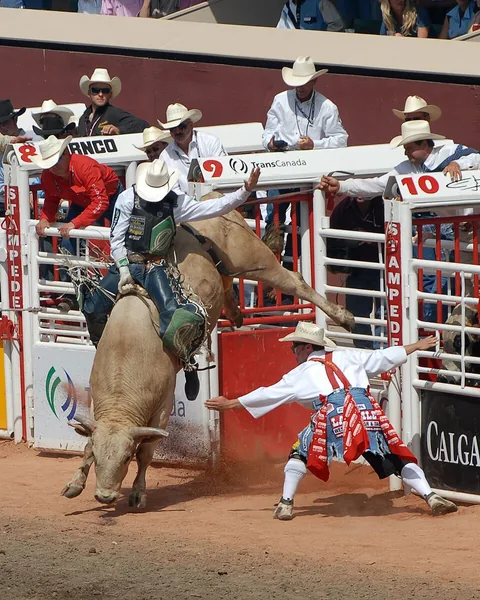 So the way this works is if you think about at a very high level, making a new drug that's used by many people takes longer, is more expensive and takes as many people as building the biggest skyscraper in the world. Think, you know, the Burj Khalifa. Just think about that for a minute.
That's thousands of people, many years, more than a billion dollars. And unlike a building which can ultimately pay for itself and pay all the bondholders and provide a return to the investors over decades. Patent law gives a very limited term in which all of the investment and potential profit can be recovered. And at the end of the drug's patent life, it is freely available for anybody to make32A copy of a small molecule, a generic, is approved by matching blood concentration. A copy of a biologic, a biosimilar, can never be exact, and the similarity has to be shown on its own. for the rest of eternity. That's the deal you make with getting a patent. A patent is essentially a monopoly on being able to make, use, and sell the drug in exchange for telling everybody how to do it.
ExplainerWhat a drug patent buys
A patent is a bargain with society: the inventor discloses how the thing is built and how to make it, and in exchange gets twenty years from the filing date to stop anyone else making, using or selling it. A company files on the molecule early, before any human testing, or a competitor will get there first — and the years of development then eat into the term. Hatch-Waxman, in 1984, allows some of those years to be restored, but not many. Separate from the patent, the FDA grants regulatory exclusivity: for some years after approval no copy can be registered on the originator's data. When both run out the generics take the market and the price usually falls several-fold.
That's basically what a patent is. Now the term of the patent from the time you file it is 20 years. And there are a few little things about extending it for a small further period based on how much time it took to work on it, practically you get 10 to 15 years of exclusivity from the time it can be launched.
So a couple points I'll add just for you to expand on if you like. Some people might also be aware of the idea that not everything has to be patented. So for example, the classic example is Coca-Cola. Had they patented the formula for Coca-Cola hundreds of years ago, I guess I don't remember when Coke started, but call it 150 years ago33Fact-checkNot quite: Coca-Cola is 140 years old (John Pemberton, 1886), and the formula has changed: cocaine came out early in the 20th century, cane sugar gave way to corn syrup in the 1980s (Wikipedia). or something like that, we wouldn't be drinking the same thing today. So they chose a different route, which is we are never going to make this secret public. And in exchange for that, we will have no protection.
That's correct. So you're describing a trade secret.34A trade secret lasts forever, but only as long as the secret holds: if a competitor works the formula out, the law does not stop him.
Correct.
That's another form of intellectual property.
Now, I assume that is not an option in pharma.
Well, surprisingly it is.
Interesting.
There are some specific drugs where they were protected by trade secrets. So a couple of my favorite examples are Armour Thyroid,35Armour Thyroid is desiccated pig thyroid in a tablet; unlike synthetic levothyroxine it carries both thyroid hormones, T4 and T3. which was thyroid,
Desiccated thyroid hormone, yeah.
Yep. It was the thyroid hormone for people who needed replacement therapy, and it was before we could make it synthetically. And the process by which that was made was kept secret. Now it didn't stop other people from trying, but they had to copy exactly the composition of all the peptides, as well as the impurities in the final preparation, in order to be able to use the clinical and filing package that Armour used at the FDA to get FDA approval.36Fact-checkNot quite: Armour Thyroid has no FDA approval: it predates drug approval in the US, and the FDA lists desiccated thyroid as an unapproved drug (FDA). Turned out that was technically really hard. Another one I really like is Acthar Gel.37H.P. Acthar Gel, on the market since the 1950s, is ACTH from pig pituitaries in a gel. That hormone tells the adrenals to release cortisol, so the patient gets his own steroids.
So this was purified from pig pituitaries, and it was ACTH, basically. That's the ACTH, Acthar Gel. I used to love it. I used it in the emergency room a lot because it was a rheumatology smart missile. Patients could come in with acute gout38Gout is a sudden joint inflammation caused by uric acid crystals. and be miserable. You give them one shot of that and it gives them endogenous steroid taper39A steroid course is ended with a taper: stop abruptly and the patient's own adrenal glands do not get back to work right away. over a period of several days.
It was great.
Totally unaware of that.
Yeah, it was a funny story behind that one too. It was cheap and widely available until the BSE scare, the bovine spongiform encephalopathy scare40Mad cow disease (BSE) was linked in 1996 to Creutzfeldt-Jakob disease in people, and anything made from animal tissue fell under suspicion. happened. And then because it was purified from pig pituitaries, the company was worried that it was going to be, there's going to be something similar in pigs. And we know pigs have endogenous viruses. So it was pulled off the market. And then it was bought by a very small company who eventually recommercialized it for infantile seizures.41Fact-checkNot quite: the gel was never pulled. In 2001 Aventis sold the rights to Questcor for 100,000 dollars, and Questcor raised the vial price from about 40 dollars to nearly 40,000 by 2018 (KFF Health News).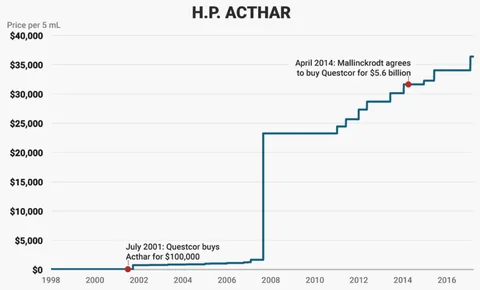
And they jacked the price up a hundred or a thousand fold. And so it hasn't been available for rheumatologists to use since then. It's stupid bad pharma trick.
Yeah. Well, I'd like to actually talk about a few more examples of that because there are several. Going back to the patent in classic pharma, are patents primarily issued only for the composition of matter,42A composition of matter patent covers the molecule itself and is the strongest: the only way around it is a different molecule. or are companies trying to get patents for process manufacturing and other things, or is the playbook that, hey, if there's a really complicated process required to make this drug, I'm going to file my patent on composition of matter. I'm going to keep the process as trade secret. So even when this thing runs off patent, you might know what the finished product looks like. You'll never figure out how to make it.
Sources: AbbVie, full-year 2022 results; AbbVie, full-year 2024 results
So both of those things happen depending on the drug. Exactly. So one good example would be, let's say, AbbVie and Humira.43Humira (adalimumab, 2002) is an antibody to TNF for arthritis, psoriasis and Crohn's; the best-selling drug in the world in the 2010s and more than half of AbbVie's revenue. They patented every single little thing around that drug that they could. It was a huge winner for them and they wanted to keep it protected as long as they possibly could.
And they would stagger it. So they would first patent composition of matter, wait 10 years, patent this step in process, wait five years, and you just keep doing it, doing it, and you sort of effectively extend the patent life of the molecule and process.
ExplainerThe Humira patent thicket
The main US composition-of-matter patent on adalimumab expired in 2016, yet copies did not arrive until 2023. By then AbbVie had filed 247 patent applications on Humira, 89% of them after the drug was approved in 2002: on formulations, manufacturing methods, doses, the diseases it is prescribed for (count by the advocacy group I-MAK, 2018). Every biosimilar maker chose to settle with AbbVie rather than litigate the whole thicket, agreeing not to enter the US market before 2023; in Europe, where three times fewer applications had been filed, copies were on sale from October 2018. Extending a monopoly with a wall of secondary patents is called evergreening. Once the competitors did arrive, Humira revenue more than halved in two years.
Exactly. And that can be abused, I think personally. But exactly. They'll patent the drug, they'll patent the formulation,44A formulation (concentration, buffer), a salt of a compound, and a method of use in a particular disease can each carry its own patent. they'll patent the salts, they'll patent the auto injector, they'll patent the, of course, the indication right at the beginning to the extent that they can, which is sort of method of use. And they'll patent the dose, they'll patent the route of administration, everything.
Yeah, combining it with something else. Okay. Going back…
And the method of manufacturing.
Yes. Going back to the clinical team, the scientific team that is beginning the exploration of what to do. Are you at the outset completely agnostic to whether you're looking for or entertaining small molecules or biologics as targets? Do certain disease states lend themselves for you to go looking in one path versus the other?
I think there's two considerations. One is that there are some conditions that might suggest one route or the other, but there are also sometimes companies or infrastructure that would make it better to use one format or the other. I think big companies are format agnostic because all the big drug companies are now doing small molecules and biologics and many gene therapies and even some now cell therapies,45Cell therapy means treating with living cells, as in CAR-T: a patient's own T cells are retargeted at his tumor and infused back. which are sort of the frontier of complex medical therapeutics. For example, if you're treating a childhood disease, then you need to make something that is oral and tastes good. All the parents out there are going to remember, you know, the grape and the cherry flavored Tylenol or Advil or something. Grape Septra was a particular favorite of mine when I was giving my kids drugs.
Yeah, so that's one example. Others are there are inhaled drugs for specific lung conditions and so some formats will make sense and there's a medical rationale for that.
05Sarcopenia as an indication: the risks multiply
Klickstein takes muscle weakness as the worked example and explains why risks have to come off one at a time.
ExplainerScreening and the three phases of trials
First comes a compound that acts on the target. In screening, robots run thousands or millions of molecules through assays on plates with hundreds of wells; for antibodies, libraries of antibodies take the place of chemical libraries. The best candidates are refined, tested in cells and animals, and only then does the company file an IND with the FDA to start testing in people: if the agency raises no objection within 30 days, dosing can begin.
Human trials run in three phases. Phase 1 checks safety and dosing in a small group, often healthy volunteers; phase 2 asks whether the drug helps patients and at what dose; phase 3 is the large trial, hundreds to thousands of patients, on which approval rests. It takes years and costs hundreds of millions of dollars, which is why failing in phase 3 is the worst outcome: by then nearly all of a program's money is spent. How many people each phase enrolls and how many drugs make it through is in the diagram alongside.
So then how do you begin the screening process? How do you begin to identify molecules? And again, I think we should assume that our listeners who are otherwise well informed won't know the details of what an IND is, what we use phase one, two, three for, and what has to happen prior to the IND. Like let's just start from the very beginning.
Right. So with the preamble that this would be about a year-long course.
Yes. If we did this as a seminar at Harvard, this would take you a year.
ExplainerSarcopenia: how it is defined and measured
Sarcopenia (Greek for "lack of flesh") is the age-related loss of muscle mass and strength; Irwin Rosenberg proposed the term in 1989. It got its own code in the US version of ICD-10, M62.84, only in 2016, yet there is still no agreed definition, no accepted way to measure treatment response and no approved drug — hence Attia's doubt whether it counts as a disease. Under the 2019 European consensus (EWGSOP2) it is suspected from low strength and confirmed by low muscle mass. Function is checked with simple tests: grip strength with a hand dynamometer (a warning sign is under 27 kg for men and 16 kg for women), gait speed, usually over 4 meters (slower than 0.8 m/s), and stair climb, timed over a flight.
Its neighbor is cachexia, the wasting with muscle loss that comes with severe chronic illness: cancer, heart failure, COPD. Definitions of such conditions are worked out at consensus conferences of specialists; cachexia's was adopted at a meeting in Washington in 2006.
Yeah. But to cover it at a high level, starting from the idea and the medical indication, and it might be useful to think about one specific example. And we can, let's think about muscle weakness and which can be described as sarcopenia or and the definition of that is still evolving, frankly. I've gone to some of these specialty meetings, like the Cachexia Consensus Conference, and it's a topic of discussion every year, but I think one we seem to be converging on the concept of decreased muscle mass with impaired muscle function, as a good definition of sarcopenia. And whether the function is grip strength or gait speed or stair climb or people use different ones. Okay, so we'll talk about that as a specific indication. So impaired muscle function with low muscle volume.
Which to your point, by the way, nobody listening to this doesn’t care about this. So this is a very topical consideration. It’s not esoteric.
It’s something I’ve personally been working on for 20 years, as you know. So what should be the drug format?46Format is what the drug physically is — tablet, injection under the skin, infusion — and it decides whether an eighty-year-old can take it for years. Well, the patient population are likely to be older adults. So it needs to be a drug format that’ll be suitable to them and shouldn’t underestimate the importance of this, it’s what’s most likely to work. Because in a drug development program, especially with a new target and a new indication, there are so many unknowns, and all of the risks multiply across a drug development program. So if you have, say, 20 risks you’re taking in a drug development program, whether it’s target and format and bioavailability,47Bioavailability is the share of a dose that reaches the blood intact: 100% for an intravenous injection, less for a tablet, and nil for an antibody taken by mouth. toxicity, the whole thing.
Everything. And all of them have maybe a 90% chance of success. You multiply all that out 10 or 20 times, it’s zero.
It’s a huge failure.
Yes. Yeah. So you have to minimize risks at every step other than the ones that you sort of identify and accept, this is the big question that we don’t know and we have to answer early.
So we want to, you want to fail fast.
If you can, yes. Yeah, absolutely. The worst outcome in drug development is failing in phase three.
Oh, yeah.
Actually, that’s probably not true. The worst outcome is succeeding in phase three and failing commercially. But failing early is super important.
Now, let me just ask a question about this specific indication. So you’ve already made a decision, which is we’re going after sarcopenia, and you’ve decided to do that as opposed to say, we’re going to go after muscular dystrophy. So are you doing that because sarcopenia is a much, much, much bigger market, which is the obvious choice? Or are you saying it’s easier to get approval there and then ultimately we can also demonstrate that this will work in Duchenne’s muscular dystrophy.48Duchenne muscular dystrophy is inherited, breaking down muscle from early childhood; about one boy in 3,500 to 5,000. How would you think about those two ways to proceed?
So my personal bias is I have a limited amount of time on this earth to develop medicines and help people. I want to help as many people as I can. So I mostly do large indications. And that’s my personal choice.
Now, in that situation, regulatory pathway might be harder for sarcopenia if it is not yet identified clearly as a disease.
No question. No question.
ExplainerOrphan drugs: why a rare disease is the faster road
Under the US law of 1983, a disease is orphan if fewer than 200,000 people in the country have it. A developer gets part of its trial costs back as a tax credit, pays no application fee, and wins seven years of exclusive right to sell the drug for that indication — even if the patents have expired by then. But the incentives are not the whole story: patients are few, the disease is severe and fast, so the regulator accepts small studies and earlier signs of benefit. Sarcopenia is the mirror image — millions of people, a condition that unfolds over decades, and benefit that takes years and fortunes to prove.
Whereas Duchenne’s muscular dystrophy, that’s an orphan disease, you would probably get a quicker regulatory pathway to approval.
Yes. Yes.
And so a different strategy might be we go after Duchenne’s because we can get there faster. And then once we have demonstrated a drug that works in that category, we then chase the approval pathway to help as many people as possible. Would those just be two different strategies?
Yes. And frankly, I’ve done both, okay, depending on the circumstance and the mechanism of the drug and so forth. And frankly, I’m doing that right now with one of the two companies that I work with.
Okay. So let’s go back to your example though.
06Falls nobody could measure
The falls program was stopped not by the drug but because falls could not be measured objectively.
Let’s get back to sarcopenia. The very first thing that I tried to do in sarcopenia was prevent falls. Now, how do you measure a fall, Peter?
Well, I was going to ask a harder question, which is, which are the muscles that are most responsible for a fall, and maybe that’s part of what you could test. It turns out I think it’s very complicated, right? I’ve had a guest on this podcast who presented data that suggested something that’s seemingly as innocuous as great toe strength is an enormous predictor of falls. Now there’s a very objective way to measure the force that a person can generate with their great toe. And as that force gets below certain thresholds relative to their body weight, the probability of falls just starts to go straight up. Balance, obviously…
I would argue that they don’t really know that.
Okay.
Because I asked the question, you know, well, what first, what causes falls? There’s about 11 different things that cause falls. And people can think through themselves. There are the obvious ones like weakness and dizziness, which dizziness itself is very complicated, but also vision, also attention, lots of things can cause falls.
Yeah. I mean, I think another big one that we see clinically, Lloyd, is loss of reactivity. So foot speed and reactivity. So you and I, if we went for a walk today around Lake Austin,49A reservoir on the Colorado River in Austin, where Attia lives; the shore loop runs about ten miles. so there’s a 10-mile beautiful loop around Lake Austin, the probability that on that 10-mile loop, you and I wouldn’t stumble once, at least once, and miss our footing is zero. But I would venture that neither of us would fall. And so the question is why? Why wouldn’t we fall despite being challenged at a great level?
You know, stepping on a twig, missing a branch or a root or something like that. And the reason is we have the reactive speed of our feet to catch ourselves. And that to me is one of the things that’s missing. And that tends to come down to the type 2A muscle fiber,50Type 2A fibers are fast muscle fibers; age takes the fast ones first, which is why the speed that catches a stumble is what goes. right? Like that’s a very explosive…
But also proprioception.51Proprioception is the sense of where the body is, from receptors in muscle and joint, without help from the eyes.
Yes, absolutely. Vision, all the things that we’re talking about, but maybe the broader point is this is multifaceted. There is an atrophy that is beginning of various systems in the body, and it’s creating this perfect storm where when you watch an elderly person fall, you realize that that’s a situation where they would have saved that fall. It’s not the insult that’s the problem, whatever caused the perturbation in the step, it’s the inability to catch it.
I think that’s exactly right. So let’s get back to the issue of…
But that’s hard.
Measuring falls.
Yeah, but this becomes a very hard problem.
So I tried to do that because in a clinical environment, the only falls that are ascertained are those that cause injury,52This is about completeness of data: only falls with an injury reach the record, the rest do not exist for a researcher, so charts cannot measure a drug effect. right? From our perspective as physicians, those are the patients we see. And patients are reticent about reporting falls because they know they could potentially be taken out of their home environment if they were felt to be unsafe. And frankly, I would do exactly the same thing if I were in that circumstance. I want to stay home. So we developed a study to try to measure falls.
And so we worked with a large company that manufactures triaxial accelerometers.53A triaxial accelerometer measures acceleration along three axes, as in a phone or fitness band; a fall shows up as a sharp spike and an impact. And we made a research device for this effort. And I designed a wonderful study. So the study was we were first going to put the device on bad ice skaters in Boston in the winter and videotape the rink. And so the videotape results are the positive controls54A positive control is a case where the event is known to have happened: video of the rink gives an indisputable list of falls to check the device's signals against. for actual falls. And then we would look at the device telemetry and look at the sensitivity and specificity of the device.
It’s worn on the ankle, the wrist, where we do it?
This was going to be a pendant.
Okay.
And then the second part of the study is if the first part worked and the device worked on falls that were real, we were going to put it on elderly nursing home residents. And there the positive control was little old lady found on the floor55The definition is crude, but it depends neither on memory nor on willingness to tell: if the staff found a resident on the floor, there was a fall. because the people were old and frail and unable to get up themselves. So when the nurses or the staff found them on the floor, that was a fall. However, they got there, and then we look at the device telemetry and see.
And sorry, was the purpose of that exercise, Lloyd, to see if the ice skating telemetry could predict a fall on ice? And was it offering the same insight that you were seeing in the actual field with the elderly people?
Well, it’s a little bit that falls are like the Supreme Court in pornography. You know, you say you know it when you see it.56Justice Potter Stewart's line: in Jacobellis v. Ohio (1964) he admitted he would not try to define obscenity, "but I know it when I see it." (Wikipedia) And so we wanted to see it on the ice skating rink and then look at the device telemetry and see, was it reporting falls when they actually happened? Was it reporting falls when they didn’t? No, was it missing things? Basically to see if the device worked.
So I put that through the institutional processes for funding and I was told cut the first part out and so just put it on the older adults. So I worked with a really good geriatrician named Lou Lipsitz57Lewis "Lou" Lipsitz is a geriatrician, a Harvard Medical School professor and for many years head of the aging research institute at Hebrew SeniorLife in Boston; he works on balance and falls in older people. and we did that study. Kieran Dole was the operation clinical operations person and it was really a good study execution because working with patients and research subjects, participants in their 80s up to a little over 100 is challenging.
And these were all individuals in one living environment or across multiple?
Yes, they were in one living environment. We wanted to make it as, we wanted to minimize the variables.
How many subjects were…
We had 60 subjects.
And you followed them for how many?
We followed them for six months. And these were people who had fallen at least once in the prior six months.58The trick is called enrichment: take people in whom the event is known to be frequent. Otherwise six months would not produce enough falls to count anything. So we knew they’re at a high risk for more falls. And remember, this institution has a lot of protocols and procedures in place to try to prevent falls, and they’re still falling now and then.
So Lloyd, 60 subjects followed by six months. How many falls did you capture?
Well, we ended up 117, I think, was the number of events that actually happened based on someone found on the floor. However, the device was awful in that I think it had about, it detected 17% of the real falls and only 17% of the device actuations where it said somebody fell were false. So it was just not useful. And it was the best we could come up with.
ExplainerSensitivity and specificity: two different questions about a device
Sensitivity is the share of real events the device caught: for Klickstein's pendant, 17%, meaning it slept through five falls in six. Specificity is how reliably it stays quiet when nothing has happened. Both are easy to confuse with a third number, the one he quotes next: the share of its own alarms that were right — 83%. A device can almost never lie when it does signal and still be useless if it says nothing about most events. For a drug trial sensitivity is what matters: falls the device missed never enter the effect at all.
And just to be clear, you weren’t asking it to predict antecedent movement pattern of fall.
You were just asking, once a person has fallen, do you know?
Yes. Very simple.
I would have guessed that you would have been higher.
So did I. But we were wrong. This study is actually published now, but then we couldn’t use it for measuring falls. We tried one more thing. There is a Massachusetts Institute of Technology professor named Dina Katabi59Dina Katabi is a professor at MIT; her group learned to read movement, breathing and sleep through walls from the reflections of a Wi-Fi-like radio signal, with no sensor on the person at all. who was using Wi-Fi type devices to measure people’s movements in their homes. And it is a little scary.
It could measure wherever you were and whatever you were doing. And so we thought that would be a great way to assess falls. But ultimately there, I don’t remember the issue, but we could ended up not being able to use it. So we had to stop our whole program for making drugs to prevent falls because we couldn’t measure them.
Now, let me play devil’s advocate for a moment. Couldn’t you have just said we want everyone involved in a study to report if they fell because it’s going to help us get better data for the study. And I mean, given that you’re going to capture all the reported falls and really all you’re trying to do is capture the signal of unreported falls. But if you ask the people, say, look, we’re not taking away your driver’s light, you know, whatever it is that you’re afraid of losing, that we are just trying to report this as an AE60An adverse event is any unfavorable occurrence in a trial participant, recorded whether or not it looks drug-related. Reporting one is part of what the protocol requires of the participant. or as an outcome. I mean, it seems to me you’d have a much higher chance of capturing it than any sort of device at this point.
That would be true. We were just worried about the data quality. Because people, remember, these are older adults who were frail and we were worried about the, you know, recall bias61Recall bias is not random noise but a slant: small episodes are forgotten, vivid ones remembered, and unpleasant things go unmentioned. and we were worried about whether they would have something to write it down with. And people generally weren’t device savvy at the time. I think that might be better now. Anyway, we elected not to do it.
I have to think there’s some AI way to do it. Like, there must be. I mean, were these accelerometers using any AI?
This was a long time ago. This was 10 years ago.
Got it. Okay.
Or more. So there was no AI in those days. Well, some people would take issue with that.
Yeah, yeah, but not the way we see it today.
07Myostatin, activin and betting on the receptor
The team chose to block the receptor rather than myostatin, because in people myostatin is not the whole brake.
ExplainerEndpoint and surrogate
An endpoint is what a trial measures to decide whether the drug works. A clinically meaningful endpoint is an event the patient himself cares about: a fall, a fracture, a hospital stay, death. A surrogate is a measurable quantity believed to predict that event: muscle mass, grip strength, gait speed, cholesterol. A surrogate is cheaper and faster — strength shifts in months, fractures take years to accumulate — but a regulator accepts one only where evidence has piled up that it really does predict the outcome. In sarcopenia no such accepted endpoint exists, and that is exactly what Klickstein's program ran into.
Not the way we see it today. Anyway, it was an interesting example of a lot of ideas are conceptualized and we have to be able to objectively measure things ideally in drug development. And we tried and we couldn’t and we moved on. So this kind of brings us to sarcopenia and muscle mass and strength, which was the genesis of bimagrumab and activin receptor antagonists in general.62Instead of catching myostatin itself, drugs in this class occupy the receptor that myostatin and its activin relatives both signal through. Now, we knew at the time about myostatin.63Myostatin (GDF-8) is the protein muscle uses to limit its own growth. Mice with the gene switched off grow about twice as muscular as normal ones. (Wikipedia) So Se-Jin Lee64The biologist who, with Alexandra McPherron at Johns Hopkins, discovered myostatin in 1997 and showed that mice without it are twice as muscular. Every drug in this conversation descends from that paper. is sort of the father of myostatin, he discovered the biology.
And in rodents, myostatin is, you know, kind of amazing. You can turn a mouse into an Arnold Schwarzenegger mouse by blocking myostatin.
This was in the mid-90s, right?
I think so, yeah.
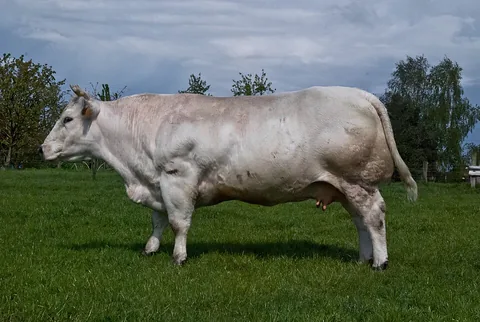
Yeah. I mean, I remember, this was when I was in medical school, I remember in 97 seeing the images of the mice, the chickens, the dogs, the cows. I mean, we couldn’t get enough of these myostatin knockout animals. We thought it was the greatest thing we’d ever seen as students.
There were no people who had that65At the time Attia is remembering, no human with myostatin switched off had been described. In 2004 German physicians reported a boy with mutations in both copies of the gene. (Wikipedia) though.
No. So at the time, the people who led the discovery project, so this is the laboratory research, were Chris Lu66Chris Lu (Xiangyang Lu) ran the laboratory half of the project at the Novartis research institutes. He later founded Laekna in Shanghai, which makes its own antibodies against activin receptors. (Businesswire) and his team and David Glass67David Glass is a muscle biologist who ran the second lab on the same Novartis program. In 2001 he was among the authors of the Science paper describing the ubiquitin ligases MuRF1 and MAFbx (Science, 2001). and his team. And that’s where the original code of bimagrumab was BYM338, and that’s where that came from. I was part of that team on the clinical side. And if they made the drug, how would we test it?
Do you want to explain how myostatin inhibition would lead to enormous muscles?
Yes. So the broader question is what governs the size of your muscles? And we know it’s nutrition and we know it’s use, and then there are biochemical things that regulate it and myostatin is an inhibitor of muscle growth. So if you inhibit the inhibitor or block myostatin, muscles get larger up to another point where there’s something that regulates them and we don’t know what that is. And that’s most of the inhibitory effect biochemically in animal species. In humans, it turns out that it’s more complex.
It’s myostatin plus activins, mostly activin A.68Activin A is a protein from the same family that brakes muscle through the same receptor, and in humans it matters more than myostatin. That is why blocking the receptor beats blocking myostatin. And this is the advantage of inhibiting myostatin and activin A together, or blocking the receptor, which is what bimagrumab does.
What was the evolutionary, I mean, I’m asking you as though you were there during the design phase, but what is your best guess for what the evolutionary reason was to limit muscle growth? Was it simply a nutrient management system, which was like, hey, we grew up in a nutrient sparse environment. We can’t just have muscles demanding all of this protein.
I would have to guess that based on everything else about people, there were times during our evolution when resources were very scarce and we had to conserve.
Yeah. But I don’t know, your guess is as good as mine. But it is interesting because the other way that nature could have solved that problem was just to make it completely supply limited and just say yeah. But anyway, okay, so we don’t really have a great teleological.
That’s kind of the way it works without a post-tissue.
Yeah, yeah, exactly. That’s right. So we don’t have a great explanation for why, but regardless, in humans, myostatin plays a smaller role than it does in these less, presumably slightly less complex mammals. And what is the actual mechanism by which myostatin is inhibiting? Is it doing something in actin myosin filaments?69Actin and myosin are the two filaments inside a muscle fiber whose sliding past each other is the contraction. Myostatin does not interfere with that machinery. What is it doing to prevent hypertrophy?
ExplainerHow the signal reaches the muscle
Activin receptors belong to the large TGF beta superfamily: signaling proteins and their receptors that govern tissue growth, wound healing and embryonic development, which is why a drug in this class can easily touch the neighboring signals. The signal travels from the receptor to the nucleus on the SMAD proteins; the name is glued together from the gene Sma in the nematode and Mad in the fruit fly — mothers against decapentaplegic, christened by geneticists after Mothers Against Drunk Driving. In the nucleus the SMADs act as transcription factors: they sit down on DNA and switch whole sets of genes on or off.
One of those sets matters for muscle. The tagging enzymes MuRF1 and MAFbx (also called atrogin-1) hang a label on muscle proteins marking them for destruction in the proteasome, the cell's shredder. Their switching on is the common signature of any muscle atrophy, from starvation to bed rest — and the size of a muscle is simply protein synthesis balanced against protein breakdown.
Complicated. But to summarize it briefly, the receptors are part of this larger TGF beta superfamily of receptors, and there’s dozens of them. There’s type 1, type 2, type 3s, and they all signal via mostly a common pathway of called SMADS, which was named by those whimsical Drosophila geneticists. It stands for similar to mothers against Decapentaplegic, which people don’t need to know, and those are transcription factors and they govern a whole lot of gene programs. Some of the more important ones are muscle, so muscle size is regulated by nutritional availability and then muscle protein synthesis versus muscle protein turnover. And the proteins that turn over muscle are MuRF1 and MAFbx, or atrogin.
And David Glass was one of the discoverers of this pathway, who I mentioned earlier. And myostatin signaling via the activin receptors suppresses the proteins that are involved in targeting muscle proteins for degradation.70Fact-checkNot quite: myostatin signaling through the activin receptors does not suppress the tagging enzymes, it drives them harder — which is why muscle shrinks under myostatin. (Wikipedia)
So before we leave myostatin to talk about BEMA, do you want to say anything about follistatin?71Follistatin is the body's own trap for myostatin and the activins: it binds them in circulation and keeps them off the receptor. That resemblance to an antibody is what its reputation rested on. And I don’t even know if you’re aware, but follistatin became a very popular recreational sort of gray market agent that was sold for research purposes only, in quotes.72For research purposes only is the label sellers of unapproved compounds use to stay on the legal side: formally the vial was sold for experiments, not for a person. And the marketing material suggested, look, if you take follistatin, follistatin inhibits myostatin, you’re going to get really big muscles. And so people were pumping themselves full of follistatin. Actually, that’s not really true. I think the follistatin was so expensive.
They weren’t doing that. They were doing some attempt at follistatin gene therapy.73Gene therapy delivers the protein's gene into cells, usually in a disabled virus, and the cells make the protein for years themselves. So do you want to just explain what follistatin is or why it may not be as holy grail as it was made out to be?
So follistatin and then there’s follistatin-like proteins are endogenous inhibitors of this pathway we’ve been talking about. And it does, if you do a gene therapy in rodents, result in larger muscles, but it’s a small protein with a relatively short half-life,74Half-life is how long the blood concentration takes to fall by half: hours for a small protein, weeks for an antibody. and I don’t think dosing it systemically now and then would be successful. We did the math on this and you would need to give it several times a day and given the price of follistatin, you’d be spending above, I don’t know, you’d be spending a million dollars a month on follistatin.
But also, it wasn’t clear that it would do anything in an adult. In other words, it seemed that there might have been a critical window during which administration of follistatin or follistatin gene therapy would have an impact, but it had to be pretty young. It had to be during the development of the muscle, more so than a mature phase of the muscle.
I think it would work in adults if you could solve the half-life. And I know there are companies working on this with Fc fusion proteins and other half-life extended versions. That’s a good point.
08An Fc fusion protein and the Enbrel story
Graft an antibody tail onto a protein and the drug lives far longer in the blood — which is how the first drug of the kind was made.
ExplainerAn Fc fusion protein: what it is made of
An IgG antibody is two arms (Fab) that grip the target plus a tail, the Fc, identical across all antibodies of the class. Take the working part of some other protein — the outer piece of a receptor that catches a signaling molecule, say — and sew it to that tail with recombinant DNA, and you have an Fc fusion protein. A small protein like follistatin is filtered out of the blood by the kidneys within hours and would have to be injected several times a day; fused to an Fc the molecule is large, and the body handles it like one of its own antibodies. Enbrel is built this way, as are abatacept (Orencia), romiplostim (Nplate) and aflibercept (Eylea); what the Fc actually buys is in the diagram below.
Can you tell people why an Fc fusion… I mean, I think we have to talk about some of this technical stuff, unfortunately. I was, I almost caught myself as I was asking the question, but explain what an Fc fusion protein is and why that might be able to, like, keep it in place longer.
Sure, you can edit this out later if it gets too technical. I’ll try to make it… try to speak in plain English.
Well, yeah, just think about it through the lens of like how you manipulate drugs. Like, I think of this as part of the story, right?
So if I remember correctly, the technology that we use now for Fc fusion proteins was originally developed by Brian Seed75Brian Seed is a molecular biologist at Mass General; by Klickstein's account Fc fusion was worked out in his lab. at the Mass General, and the very first drug that used it was Enbrel, which is etanercept.76Enbrel (etanercept, 1998) was the first such drug: the outer part of the TNF receptor, the central inflammatory signal, sewn to an Fc and pulling TNF out of circulation. It’s which is itself a really interesting story because this is a TNF inhibitor that’s now approved in rheumatoid arthritis and psoriasis and some other things, but it was first tested in sepsis.77Sepsis is a response to infection gone out of control and damaging its own organs; there is no treatment beyond antibiotics and organ support.
I didn’t know that.
And it made people worse.78In a 1996 septic-shock trial 30% on placebo had died by 28 days against up to 53% on the high doses: the higher the dose, the higher the mortality (PubMed). Well, because I think physicians and scientists at the time knew that sepsis was an exuberant inflammatory reaction to an infectious stimulus, and they thought by tamping down the inflammatory component you might be able to have better outcomes.
And it turned out it made people worse. But ultimately it was then tested in rheumatoid arthritis and it was amazing. And you know the story after that. But a company called Immunex79Immunex was a Seattle biotech that made etanercept; Amgen bought it in 2002. at the time licensed the technology from Mass General to make etanercept. And essentially what it does, it does two things. So the soluble receptor, which was the low affinity regulatory TNF receptor,80TNF has two receptors, p55 and p75; etanercept is built from the second and holds TNF tightly — "low affinity" was the 1990s view. I think, at the time.
Gotta double check that. I haven't thought about etanercept in like 20 years. Had a relatively short half-life just as a protein injected all by itself. And doing the recombinant DNA technology to attach it to this part of an antibody called the Fc region did two things. One is it extended the half-life of the protein in the circulation by allowing it to recirculate the way some blood proteins are recirculated normally. So you're sort of hijacking an endogenous mechanism to preserve proteins in the bloodstream and doing it the same way.
And the second thing it did is it put a hook on the protein to allow you to purify it easily, because the protein G and protein A columns81Proteins A and G are bacterial proteins that hold the Fc region fast; a column packed with one pulls only the drug out of the culture fluid. were well established at the time and easy to use to purify proteins. So that's what it did for the drug developers. And since then the technology this is a great example of going back to our patent discussion. Originally that was patented technology and only Immunex could use it or some other licensee of the Mass General, but the patents expired and now it's the technology is freely available to the rest of the world for the rest of the eternity. And many, many, many companies use this technology to make drugs and we're all better off for it.
09Hunting the antibody in a test tube
An antibody was chosen to block the receptor because a small molecule cannot bind tightly enough.
Okay. So how did you guys discover BEMA? How did you create it?
So again, the earliest biology was done by Chris Lu's team in the Pathways group at Novartis Institutes. Jeff Porter was the leader of that group. And the idea was we wanted to inhibit the receptors, not go after all the possible ligands,82A ligand is the molecule that sits in a receptor and switches it on; for the activin receptors the ligands are myostatin and the activins. because we knew that myostatin wasn't the whole story in humans. We didn't know which activins it was,83The activins are relatives of myostatin in the TGF-beta family; activin A signals through the same receptors, the more so with inflammation and age. thought it was probably activin A, but it could have been others too, and that story and that thinking has panned out subsequently, as we can get into later. And at the time, therapeutic antibodies were the best technology to do this. Remember the affinity of the ligands, myostatin and activins for the receptors was nanomolar, low nanomolar, maybe high picomolar.
So we needed an inhibitor that could bind down in the low picomolar range in order to effectively prevent ligands from binding. Can't really do that easily with small molecules.
ExplainerNanomolar, picomolar and the strength of binding
How tightly a molecule holds a receptor is measured as a concentration: the one at which half the receptors are occupied. The smaller that number, the tighter the grip, and the scale runs in thousands — millimolar is a thousandth of a mole per liter, micromolar a millionth, nanomolar a billionth, picomolar a trillionth. Myostatin and the activins take their receptor at nanomolar, which is to say at vanishing quantities. So it is not enough for an interceptor to bind: it has to hold on roughly a thousand times harder, down in the picomolar range, or the ligand gets through anyway. A small molecule weighs hundreds of times less than an antibody and touches the target over a tiny patch, so that kind of grip is rare for it; an antibody makes a large contact — hence the choice of a biologic.
Okay, this is a great example of the importance of understanding that distinction. I'm going to explain what you just said, and then I want to have you state that last point again. So people, when they're talking about pharmacokinetics,84Pharmacokinetics is what the body does to the drug (absorption, excretion); pharmacodynamics is what the drug does to the body. and they're talking about affinity. You'd have to talk about a concentration. So what concentration of this hormone or this ligand is necessary to get into this? And the when you start talking about, you know, we could talk about millimoles, micromoles, nanomoles, as we get smaller and smaller and smaller, as those numbers get smaller and smaller and smaller, it means you don't need very much of the thing to get in the receptor. And therefore, if you're trying to develop something to block that, it becomes a harder problem because you better figure out a way to usurp this guy getting in and this guy gets in very easily.
Yes, exactly.
And you're saying to get a small molecule to have that degree of sensitivity is very challenging.
And therefore something that's biologic makes more sense.
And is that due to just the physics of the conformational fit?
Yeah, I think you could describe it that way. It's essentially this, it's more complicated than this, but think about it as the surface of interaction85The epitope is the patch on the target the antibody covers; the better the shapes match and the more bonds, the stickier the pair. of the two molecules binding together. Essentially we need if the ligand, myostatin and activin for the receptor is sticky, you need an inhibitor that's even stickier.
Stickier.
Yeah. And that would be very challenging to do with small molecules. So in this case, we went with the biologic route, sort of ran a therapeutic antibody project in collaboration with MorphoSys,86MorphoSys was a German biotech; its HuCAL library of synthetic human antibodies is where bimagrumab came from. Novartis bought MorphoSys in 2024. which with whom we had a collaboration at the time and had a bunch of candidate antibodies and then ran through the usual developability,87Developability is the set of properties that decide whether a molecule can become a medicine: yield in cells, solubility, stability in storage. maturation,88Maturation does in a test tube what the immune system does in the body: random substitutions, then selecting the variants that grip harder. improvement of what we get in the screen until we have what we think could be a therapeutic drug.
How many molecules enter the top of that funnel?
ExplainerPhage display: how an antibody is hunted in a test tube
A phage is a virus that infects bacteria. A piece of an antibody gene is spliced into its genome so that the antibody itself sticks out on the coat of the viral particle while its code sits inside the same particle. Billions of variants — that is the library — are passed through a tube with the target glued to the wall: whatever does not stick is washed away, whatever sticks is multiplied in bacteria and run through again, each round selecting for a tighter grip. At the end the DNA of the survivors is simply read off, and that is the sequence of the future drug. George Smith and Gregory Winter worked the method out in the 1980s and 1990s and shared the 2018 Nobel Prize in chemistry for it. For a developer the point is that the library can be built from human sequences: no mouse is needed anywhere in the process.
Oh, there might be thousands of antibodies that get tested initially. This is done with something called phage display technology. So I would say for the past 15 to 20 years, we don't make antibodies in mice anymore. It's all done in by recombinant…
Recombinant DNA using these viruses.
And I think back, I've been in the business long enough, you know, I've made antibodies by immunizing mice and fusing cells89The hybridoma technique of Köhler and Milstein (1975): a mouse B cell fused with a tumor cell, the hybrid dividing forever and pouring out one antibody. and growing them up and putting them back into mice as ascites tumors90Ascites tumors were the old way to get quantity: the hybridoma injected into a mouse's abdomen, antibody-rich fluid drawn off; now nearly gone. to get enough antibody to do experiments with. I mean, it was terrible. It's much better now.
So you're literally running a screen with all of these antibodies and you're screening for two things, but well basically one thing. What is going to give me the lowest concentration that binds to this ligand? That binds to, sorry, to this receptor.
So knowing that you have to be below a certain concentration.
We knew we needed really high affinity antibodies. There were some things we didn't know. So in the laboratory, most of the time you can measure a cell surface receptor on the surface of the cell pretty easily using things like flow cytometry.91In flow cytometry cells pass a laser one at a time and the instrument counts the labels glowing; a handful of receptors is not visible this way. The activin type 2 receptors are actually expressed at such low levels you can't see them by flow cytometry unless you somehow very artificially manipulate the cell. So we had to create a screening assay that was essentially a reporter assay.92A reporter assay measures not the receptor but its activity: a gene switched on by the same signal is put into the cell. So we couldn't measure the receptor on the surface of the cell.

We could have developed an assay to do that, but it would have been very laborious radioactivity,93The classical way: label the ligand with an isotope and count decays to learn how many molecules landed on the receptor. not necessary. So we put in a reporter gene, which is and basically made the cells glow with firefly luciferase94Luciferase is the enzyme a firefly glows with; a luciferase gene in a cell is the standard indicator that a signal is on. if the ligand bound myostatin or activin. And then we were looking for decrease in the glowing with therapeutic intervention. And we also didn't know whether we needed to inhibit activin receptor type 2A or B or both. Most of the work in vitro suggested for muscle hypertrophy, most of it was driven by 2B, but we weren't sure. And we ended up getting a 2B preferential drug, but it also hits 2A.
And this has nothing to do with muscle fiber type.
No, this works on all fiber types.
Oh, okay.
And then we looked for antibodies that worked in that cellular assay where we wanted to prevent cells from glowing when we added myostatin and activin. It had to work on both of them. In other words, it shouldn't matter which ligand you put in, the antibody should block their activity. And the affinity of the antibodies had to be really good. So it had to be much stickier than the ligands for the receptor. And so we had that.
And then the real important experiment is could we block the activity in an animal?
But just that first step, Lloyd, until you could identify candidates. How many months was that?
Years.
That was years. So again, just going back to the analogy of building a skyscraper, that's the planning phase of the skyscraper. That's the excavation of the hole. That's probably the laying the foundation. You haven't actually put any of the big pillars up yet. It's it's
The permitting, it's securing the funding, it's sort of the site planning, it's it's all of that from your building perspective.
And by the way, I assume that the standard estimate 20 years ago was every approved drug is approximately 10 years and a billion dollars.95The figure comes from Joseph DiMasi and colleagues in 2003: 802 million dollars in 2000 money per approved drug, counting failed programs and the forgone return on the money invested. That's got to be pretty low today. What's the do you have a sense of what the more accurate dollar figure is? It's got to be more than a billion today per approved drug.
Source: DiMasi, Grabowski, Hansen, Journal of Health Economics, 2016
Oh yeah. There's a Tufts organization for the study of drug development96The Tufts Center for the Study of Drug Development is an independent nonprofit at Tufts University that has been costing out new drugs since the 1970s; about half its funding comes from the industry itself, so its figures are contested. and they think it's, I don't know, two, three, four billion, something like that. Yeah.
The part you're doing now is time consuming. Luckily it's not that expensive, correct?
Right.
You're you're spending millions of dollars, but not necessarily tens of millions at this point.
Exactly.
So you finally identify a candidate or several candidates that you now want to take to the next step, which is, hey, in vivo, does this thing work?
Yeah. So we would typically have two to ten at this stage. And it's taken years because we have to work through the biology and make sure that we understand what's going to happen, not because we want to save the cells in the petri dish, but because we don't want to start something unless we have confidence it'll succeed if we pass each step. So we have to work through the biology, we have to make all the tools we need, which are these glowing cells in response to myostatin, for example, and there's plenty of other tools that we need too. We need to make the reagents, we need to make the myostatin and the activin A and all the tools we need to do these experiments. So, and then run the experiments.
And we have to make the antibodies, and that takes quite a bit of time, as well as developability on the antibodies, which means we need to at the very earliest stage have high confidence that we're going to make an antibody that we could give to people, and it'll be stable, and it'll have predictable physical properties, and it'll have a shelf life, and all of these things are what we build into the antibodies at this very early stage.
10Fully human antibodies and the first experiments in mice
Immunogenicity cannot be predicted before a human gets the drug, and in rodents the antibody added more muscle than knocking myostatin out entirely.
How confident are you at that stage, Lloyd, that the antibody won't elicit an immune response in a human.97Immunogenicity is a drug's capacity to make a person produce antibodies against it: they neutralize the drug and clear it faster. Trials measure them in every participant.
It's still one of the biggest unknowns. And the best way to do it is to use fully human antibodies. Not humanized.
Fully human. Straight up human. Yeah. Can you explain to folks the distinction there?
ExplainerMouse, chimeric, humanized, fully human
The first therapeutic antibodies were entirely mouse, and the body recognized the stranger and cleared it fast. Then came chimeras — mouse ends that recognize the target, everything else human; then humanizing, transplanting into a human antibody only the six short loops the mouse one grips with; and finally fully human antibodies, from libraries of human sequences or from mice whose antibody genes have been replaced with human ones. The pedigree is readable in the name: -omab for mouse (ibritumomab), -ximab for chimeric (infliximab), -zumab for humanized (trastuzumab), -umab for fully human (bimagrumab, adalimumab). None of it is a guarantee: the patch that recognizes the target is new in any case — nothing like it has existed in the body before.
Yeah. Well there's humanized is used to describe taking a mouse or other species antibody and replacing as much of it as you can with human sequences based on what we know about human antibody codon usage and amino acid preference and so forth. Whereas fully human means you're starting with human genetic material antibodies.
But ultimately it still has something in it that's foreign.
As little as part of the sequence. I mean, as little as, well, there's going to be something new because antibodies have this intrinsic ability to recombine and create new sequences.
Now, in in vivo, in people, so if you make some brand new antibody and it's not suitable for some reason, it gets selected out. Whereas when we do this in vitro in a test tube, that doesn't happen, we do the best we can and try to end up with sort of common codon usages, common antibody sequences, even pairwise and so forth, but you don't really know until you put it into people. There are some in silico screens98In silico means on a computer, as opposed to in vitro (in the test tube) and in vivo (in the living animal). you can do by looking at what peptides are likely to be generated in a lysosome and are they going to have high affinity binding to an MHC molecule99MHC molecules (HLA in humans) display fragments of chopped-up proteins on the cell surface so T cells can check whether they are self or foreign. If a fragment of a future drug sits well in MHC, an immune response is likelier. and so forth?
And we do all that stuff. But you still don't know until you do it. Now it's an interesting historical perspective because I'm getting old enough to be interested in history now. The very first antibodies tested in humans were mouse antibodies. And there's still one that's used to this day as a therapeutic, so it's OKT3.100Fact-checkNot quite: OKT3 (muromonab-CD3) was indeed the first approved therapeutic monoclonal antibody (1986) and indeed a mouse one, but it is no longer in use: the manufacturer withdrew it from the US market in 2010 (Muromonab-CD3, Wikipedia). So this is an antibody used to prevent transplant rejection. It's an anti-T cell antibody, human T cell antibody, and we still use it to this day.
And what is it targeting? Is it literally targeting CD3?101CD3 is part of the receptor complex every T cell carries, so an antibody against it acts on all of them at once. That is why OKT3 worked against transplant rejection.
Wow. So it's broad.
It's going after every T cell.
Right. And there's rabbit antithymocyte globulin102Antithymocyte globulin is not monoclonal but polyclonal: a mixture of anti-T-cell antibodies prepared from the serum of a rabbit immunized with human thymus cells. It is still given for transplant rejection. too, that's still used clinically.
That's a blast from the past.
It's still used. And these were the first antibodies used in people. And of course, the other foreign antibodies that are still used are antivenoms.103Antivenoms are made much as they were a century ago: a horse is given small doses of venom and the antibodies are collected from its blood. That is why the vial holds foreign, equine protein.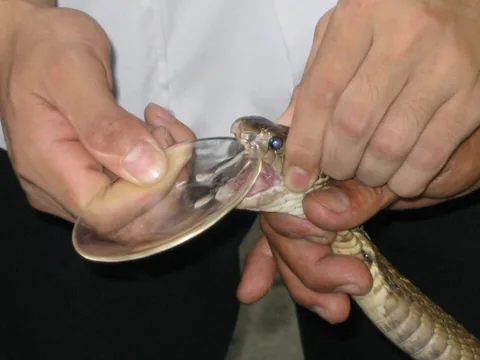 Most of them are horse serum. As you can imagine, you only want to get bitten by a snake once and need that. Because when you need it the second time, you have kind of a ferocious serum sickness response.
Great point. So you identify BEMA plus a few others and you start now running these into the mice.
Is there another chance that because you've gone to all the trouble to make sure you have a human antibody, it won't work in the mice when it otherwise would have worked in humans?
We test that beforehand.
Okay. Got it.
So this is this is again part, there's an enormous amount of detail in drug development. And one of the things is that your drug has to cross-react,104Cross-reactivity is whether the antibody recognizes its target in the test animal as well as in humans. Targets differ between species, and a drug built for the human protein may simply not see the mouse receptor. I mean work also in at least one of the two species we're going to use later for toxicology, and it has to work in a species we're going to use for pharmacology. If it doesn't, then you need to make surrogate drugs to do that. But in our case, we made one that worked in rodents. Now it turns out that bimagrumab is pretty immunogenic in mice, but not in rats.
Although how common is that?
It's kind of idiosyncratic. So the construct we ended up using in mouse experiments was something called CDD866,105CDD866 is the mouse double of bimagrumab, with the human Fc region swapped for a mouse one. It is what the mice received in the muscle hypertrophy experiments. which was you talked about humanizing antibodies. We murinized bimagrumab so that we could use it in mice.
So you could go back and use it. Yeah, that makes sense.
And to make a long story short, we were able to give these antibodies to mice and see if it caused muscle hypertrophy or not.
And how much did it do so relative to the pure myostatin knockouts106A knockout is an animal with the gene switched off entirely. Mice without the myostatin gene grow twice as muscular as normal, and that is the yardstick the drug is held against. that were enormous?
Probably more so than the myostatin knockouts.
It was really impressive.
Again, we're going to link in the show notes to what these images look like, but it is truly a caricature.
It's impressive in the mice. Look at also the whippet dogs,107Whippets carry a break in the same myostatin gene: dogs with two broken copies go bully, with an overbuilt neck and shoulders, while dogs with one copy run noticeably faster (Mosher et al., PLoS Genetics, 2007). The Belgian Blue is a cattle breed missing eleven letters from the same gene, which is why it is called double-muscled. the Belgian blue cattle that are double muscled.
Yes, it's impressive. Did you do anything else, Lloyd, at that time? So when you demonstrate that BEMA is making bodybuilding mice. Was there any assessment of muscle function?
Okay. And what did you find?
The mice were stronger and can run faster.
Okay.
But remember, they had perhaps a 30% increase in their muscle mass. I mean which is huge and people can look at the pictures online and see it's quite obvious. So it doesn't work this well in humans, because just skipping all the way ahead and we'll come back, humans get about four to eight percent increase in muscle mass. Most of the people we've tested have been older people, which is one caveat.
Whereas, did you do it in old mice?
Not in old mice. I think David Glass did some experiments in older rats, and it still worked, but not quite, not as well as in younger ones. And remember, when people do these muscle experiments in rodents, they almost always do males108In females the result is noisier because of the estrous cycle, and male-only experiments were the norm for decades; since 2016 the NIH has required applicants to justify leaving sex out of the design. because it works better in males than females.
Cool thyself. It would be interesting to know as you ran it across a continuum of escalating age, what the what what accounts for the reduction in efficacy, right? Is it is it substrate limited? Is it a muscle protein synthesis problem? I mean, what what is, you know?
I don't think that's been studied formally by scientists. It might be known in the bodybuilding community. And just a heads up to the listeners who might be bodybuilders, the first thing that any company does when they're working on a drug that has the potential for abuse is we work with WADA, the World Anti-Doping Agency,109The World Anti-Doping Agency keeps the prohibited list. Myostatin-suppressing agents went onto it in 2008, and since 2019 the list has had a line for agents preventing activin receptor IIB activation, with bimagrumab named outright. to make sure that they can screen for these things.
So where in the pathway of BEMA did you begin notifying WADA that we're working on this thing?
As soon as we had a therapeutic antibody, as soon as it worked in the mice, we started that process. And basically they've had an assay for more than 10 years.
Have they ever caught it? Have they ever screened it?
I have no idea.
That's that's funny. Okay, so after the you get the home run in mice, do you want to go into a primate? Where do you typically go from mice?
11Which toxicity is forgiven and which is not
The decision is made on the whole weight of evidence, and the two questions that matter are whether the toxicity is monitorable and whether it is reversible.
ExplainerWhat toxicology looks for before the first human
Before a drug goes into a person it is tested in animals under Good Laboratory Practice. Small molecules usually take two species, a rodent and a non-rodent, most often rat and dog; for biologics, under ICH S6, one species in which the drug actually works is enough, and for antibodies that is normally the cynomolgus macaque. Doses are deliberately set above the therapeutic one and given for weeks or months, and the question is not only who survived: organs are weighed, tissue sections studied under the microscope, blood counts taken, liver and kidney markers measured, ECGs recorded. The key output is the highest dose at which nothing bad was found; the first human dose is derived from it with a large margin. Separately the work checks whether the drug reaches the brain, how it behaves in pregnant animals, and whether long dosing causes tumors.
So for therapeutic antibodies, often it includes a primate simply because we want to have one of the two toxicology species in whom the antibody has the expected pharmacology, so we can look at sort of on-pathway and off-pathway toxicity110Toxicity can be on target — the consequence of the very thing the drug was built to do, here a receptor blocked throughout the body and not only in muscle — or off target, from the molecule catching something it was not meant to. of the therapeutic. So we typically use non-human primates for this.
When you're at the mouse stage, Lloyd, how are you screening for tox besides the most obvious, right? Obviously, mortality or something catastrophic is obvious, but for non-apparent or non-mortality-based toxicity, what are you looking for? And is any toxicity at the mouse level disqualifying to go forward? Or are you evaluating it case by case and saying, look, okay, this ended up being pretty bad for the mice despite the efficacy? We don't think that's going to be an issue, or we think we got the dose wrong, or do you basically keep going back and perfecting it in the mice until you get the dose response right before you move up, or do you just sometimes say no, we're going to go to the primate or whatever other model we're going to look at and reassess tox as we get closer to our species of interest.
Yeah. So with the caveat that I'm not a toxicologist, the fundamental principles are you use a weight of evidence approach111Weight of evidence is how regulators are meant to decide: not on one decisive experiment but on everything known at once. based on all the data that accumulates. From a clinical perspective, we try to balance risk and benefit with new medicines in general. So if it turned out that bimagrumab had some and bimagrumab has some tox that we'll get into, but if it were unsuitable for use on a big population that we then think about higher medical need patients.
That's when you would go from maybe sarcopenia to Duchenne's muscular dystrophy. For example.
Yes. And where whatever the adverse effects are would be outmatched by the potential benefits.
But secondly, we want to know precisely what the toxicology is. And the two big things we look for are whether it's monitorable,112Monitorable means there is a simple test that flags trouble early, while the harm is still reversible. whether it's reversible. So if we have irreversible cardiac toxicity with a therapeutic, that's usually the end, for example, or neurologic. If it's serious organ toxicity.
But there's enough of a prodrome. So for example, if it's well, you look at a drug like Lamisil,113Lamisil (terbinafine) is a nail fungus tablet. Rarely it injures the liver, and most cases resolve after stopping (LiverTox, NIH). right? Something as supposedly benign as Lamisil. I mean, that can destroy your liver, but there you can stop the drug. So that's your point. It's monitorable and reversible if you stop it and you get a long enough warning. Because otherwise, if it would just automatically destroy a person's liver at a frequency of one in a hundred people using it, you could never justify it.
So you're describing idiosyncratic liver toxicity,114Idiosyncratic means rare, unpredictable and not tied to dose, so it is nearly impossible to see before approval. It took troglitazone off the market in 2000, for one. which is the most common reason drugs get pulled off the market, still. And I personally have killed drug programs for that. And it's hard to can't predict it preclinically.
Yeah.
Yeah, so let's get back.
You get BEMA into the primates.115The primate is the second, non-rodent species for toxicology; for antibodies it is usually the cynomolgus macaque, since the antibody has to recognize the animal's protein too.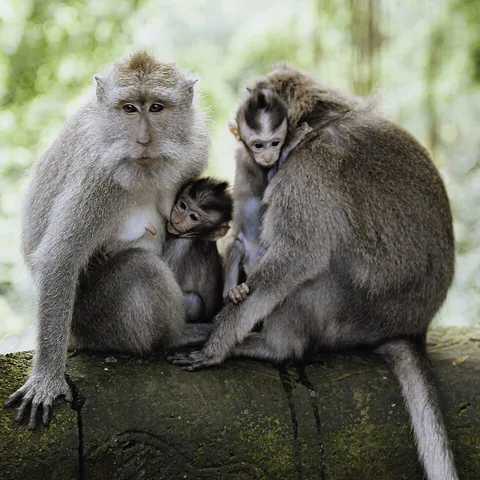
And how does it perform?
Well, in order to do toxicology studies, you have to know how much to give them and how long it's going to last and what it's doing. So there are preliminary studies116Dose range-finding studies are short experiments in a few animals that set the doses and durations for the main toxicology studies. in a small number of animals. And so we did those, but we did them long enough so that we could see the muscle hypertrophy if it were going to happen. And it did work. Not as well as in the rodents. But it did work. So it gave us confidence that we could move ahead with the rest of the activities. Now, manufacturing enough antibodies for use in larger animals117Antibodies are not synthesized but grown in cells in bioreactors; monkey studies take grams of protein — hence the time and the money. is, you know, is time and expense. And so all of that was going on in parallel.
And each of these decisions, so you're doing this all inside of Novartis, is there an IC,118An investment committee is what venture funds call the partners' meeting that signs off on every investment. is there an investment committee that basically revisits every time there is a new, you know, allocation of capital to move from one thing to the other where everybody presents and how does that typically work in a large company?
All big drug companies work kind of the same way in that there are typically two or three or four, depending on the company, major checkpoints119Pharma calls these stage gates: at each one management decides whether to fund the next, costlier step. where all the data are assembled and made into slide decks and presented and feedbacks obtained and programs, courses adjusted and so that happens. And I think it's more frequent, but faster at small companies. But things are constantly being reevaluated and reassessed.
12Twenty million dollars to the first humans
Money is raised to reach the step that creates value, and even inside a big company a project's resources run out.
ExplainerHow a biotech pays its way to the first humans
Inside a large pharma company a project moves from stage to stage by decision of internal committees; in a startup each stage is a separate round of money from funds. The seed round pays for testing the idea: find the molecule and show it works in animals. A series A, the first large round, usually covers the IND-enabling studies and the first human trial; a series B covers trials in patients. Biotech money often arrives in tranches, the next slice released when the company hits an agreed milestone — the FDA accepting the IND, say, or phase one data in hand. So the round is sized to the value-creating step: the result after which the company is worth visibly more and can raise the next round on better terms. That is exactly Klickstein's arithmetic: money for the IND work, for a phase one that produces the first muscle data, and enough runway to raise again with those data in hand.
Yeah and what's interesting for folks listening to us is we're talking about this in the context of a large company that doesn't have to go out and raise capital every time it does this. But the exact same idea that you just described, everything you just said could have been done by a startup, but now it would have a totally different look and feel in that, hey, we're going to go raise some seed funding to go test this idea. Okay, guess what? We were able to find the antibody. We're going to have to go raise another, $20 million and boom, boom. And now they'd be at the stage where they'd be probably raising a series B, or no, probably this would still be an A, I think, as they go into the primate.
Whatever you call it.
But give folks a sense of how much you'd have to raise for this next stage, which is basically your pre-IND.
So if it includes many, so you have to manufacture toxicology and clinical material. You have to run the IND enabling studies, which is toxicology and some other things. And frankly, investors want value creation for their money, and reasonably so. So I would think for bimagrumab, if this were in a small company, the value creation step would be showing muscle hypertrophy in the very first clinical study. So the funding that I would raise would be IND enabling plus phase one. Plus phase one, plus a runway to raise the next round.
Yep. And you would structure your phase one to demonstrate efficacy, even though technically you only need to do tox.
You would have it long enough, big enough.
Not tox, but safety and tolerability.120Klickstein corrects the word: toxicology is the animal work; in humans one speaks of safety and tolerability. Yeah.
So okay, and then just for using BEMA as an example, how many dollars would that be from where we are now to give you that runway into 2A?121Phase 2a is the first small test of whether the drug works in patients — proof of concept. Runway into 2a means money to raise the next round with phase one data in hand.
In today's dollars, probably 20 million dollars.
Okay, yeah. So series A.
Thereabout.
Yeah. Okay.
Maybe a little more.
That's lower than I would have guessed, by the way.
Maybe a little more.
Okay.
It depends on where you do the manufacturing.122Most biotechs order their drug from contract manufacturers (CDMOs), and prices vary between them.
So for Novartis, this is nothing. For a startup, this is everything. You're betting the farm. Well, not… I don't want to make light of it inside of Novartis, but the point is Novartis doesn't have to go back to the public market to say I need to raise another $25 million to fund this. They're doing a lot of these in parallel.
Big companies though have their resources are stretched too. It's kind of funny thinking about it, looking from the outside, but having been inside a big company, people are competing for a fixed amount of research dollars. The people within the company and resources are allocated based on company strategy. And ironically, sometimes there's more project capital available in a small company than in a big company because the small company's got one or two or three. They're taking fewer shots on goal. All the money's going there.
ExplainerWhat animals are tested for before the first human dose
Before a drug goes into people, regulators require a package of preclinical work known as the IND-enabling studies. Its core is general toxicology: the drug is given for weeks to animals of two species, a rodent and a non-rodent (dog, pig or monkey), at several doses including deliberately excessive ones. The study has to run at least as long as the planned human trial. The animals get blood and urine tests, weigh-ins and examinations, and at the end pathologists study dozens of organs and tissues under the microscope. The output is the dose at which no adverse effect was found and a list of target organs to watch in people. Separately the package checks effects on heart, breathing and the nervous system (safety pharmacology), and for small molecules whether the compound damages DNA. All of it runs under Good Laboratory Practice so the regulator can audit every number. For antibodies the rules are lighter: species in which the antibody recognizes its target suffice, often monkeys alone, and the DNA damage testing is usually unnecessary.
Whereas there are hundreds in the big companies. So and I've seen it both ways. I've seen some big company projects get high profile, high importance, well funded. So yeah, so let's we'll say 20 to 30 million dollars maybe at this stage. And bimagrumab at that point made it through rodent and non-rodent toxicology studies and what we call DMPK,123Fact-checkNot quite: DMPK stands for drug metabolism and pharmacokinetics; distribution belongs to pharmacokinetics, not to the acronym (Wikipedia). which is distribution, metabolism, pharmacokinetics. It's knowing that when you give a participant or a patient, a subject, a medicine, does it get into their body?
Does it go to where you want it to be? Does it do what you expect it to do? You have to know all that stuff before you go into patients for the first time. And we assess that in animals. You asked earlier, what do you actually do to measure the toxic effects of a medicine. And animals receive courses of therapy and we do blood tests just like we do in people. Sometimes we would do x-rays if it was warranted, and then they get autopsied to look at all the organs and look for microscopic changes that you might not perceive clinically. And we know we have to know all of that before we give people an experimental medicine for the first time.
So any red flags whatsoever as you or anything that is of concern, not necessarily a red flag, but anything that's still an unknown as you're going into the phase one?
Lots. Lots of unknowns going in. And there are always things of concern. I've never seen a drug development program that couldn't be stopped for some reason. And you have to balance the unknowns and the uncertainties and the risks with the potential benefits and make a decision about whether you move forward or not. It's kind of a joke in the industry that every really successful program has been almost killed or killed several times before it eventually makes it out into humans and then eventually commercialization.
Source: BIO, Informa, QLS — Clinical Development Success Rates 2011-2020
What's the approximate attrition from that first candidate drug discovery to the IND filing? That's a winnowing down of what to one.
It's hard to put it in aggregate because it depends based on the format of the drug. And then there's other factors like strategy and funding and everything else. But for biologics like bimagrumab124Biologics are drugs made by living cells: proteins, antibodies, vaccines. By BIO's tally for 2011-2020, 9.1% of biologics that entered phase one reached approval, against 5.7% of small molecules (BIO). and a therapeutic antibody, it's pretty low actually.
Five to one, six to one?
I would say maybe 30% of them actually get into humans.
Okay. Yeah, more than I would have thought.
Yeah. It's simply because there are no off-target adverse effects with antibodies in general. There are some specific counterexamples to that, but in general, an antibody is not like a small molecule that could have liver tox or some other tox that you can't predict for reasons that you don't understand.
That's a great point. Yeah. So maybe I'll restate that so folks get it because the antibody is so specific by definition, it can't bind to many other things.
And in fact, we screen to make sure125Before human testing an antibody is applied to sections of dozens of human tissues to check that it binds nowhere its target is absent. it doesn't.
Yeah. Whereas the chemical can do lots of things off target. You know, I had on recently we had a podcast talking about CETP inhibition.126The first CETP inhibitor, Pfizer's torcetrapib, raised blood pressure on its own, off target; its large trial was stopped in 2006 (NEJM). And, you know, the very first version of that drug lowered LDL cholesterol, but raised blood pressure, and that was a completely off-target complication of the drug.
Yeah. Exactly. So that doesn't generally happen with biologics.
Got it. So that's why you have the higher throughput.
13GMP and peptides off the gray market
Manufacturing is a core part of the IND, and it is what you are paying for when you buy a drug from a company instead of a website.
Okay. Let's skip. So you file the IND and you're now ready to start a phase one.
So an IND is requesting regulatory permission to administer the drug to people.
And you've already filed your patent at this point?
Yeah, where in that process did you file it?
Patents typically get filed again, there's a…
You want to do it as late as possible, but while still protecting.
Exactly. So typically around the point where you have a group of candidates from which your final drug will be selected, that's typically when we would do it.
Okay, wow.
Because you want the patent to last as long as possible, but once information about what you're doing is getting out, you want to have it protected.
Okay. So from the time you file the IND with the FDA until and you have to show them everything that we've talked about. Do you also have to at the IND show them that you can manufacture in GMP?
ExplainerWhat goes into an IND
By the FDA's description an IND has three main sections. The first is animal pharmacology and toxicology: everything that makes the drug reasonably safe to give to the first people. The second is manufacturing, or CMC, for chemistry, manufacturing and controls: what the product is made of, who makes it and how, how stable it is, how each batch is tested. The third is the clinical protocols and information about the investigators. If the FDA imposes no clinical hold within 30 days of receiving the application, the trial can begin. Every site where it will run also needs approval from an ethics committee (FDA).
Yes. So the manufacturing is a core element of the common application that you do for an IND. And this is US specific nomenclature. IND stands for investigational new drug. In Europe, it's called a clinical trial application, CTA. There are other countries that have different nomenclature, and companies can do the first-in-human study anywhere in the world that's got a proper regulatory environment and suitable investigators and clinical sites and with adequate quality and so forth. But maybe we'll be US centric for this discussion.
Sure. Can you explain to folks what the hurdle is to GMP or good manufacturing processes127Fact-checkNot quite: GMP is Good Manufacturing Practice, not processes — Klickstein makes the same slip a moment later. In the US the rules are set out in parts 210 and 211 of title 21 of the Code of Federal Regulations (eCFR). and why it's so important? And again, I call this out to listeners because we live in an era now where these peptide therapeutics are very prevalent, these sort of gray market peptides.128Peptides are short chains of amino acids. Many of them, from retatrutide to BPC-157, are sold online labeled "research use only": formally a lab reagent, and so outside the rules for drugs. And there are people out there that think, hey, I'm buying retatrutide.129Retatrutide is Eli Lilly's obesity drug, a triple agonist at GLP-1, GIP and glucagon receptors. It is not approved yet: Lilly planned to file with the FDA in early 2027 (Pharmacy Times).
Yeah, no, they're not.
Yeah, exactly. Maybe use the GMP process as a way to explain why when you think you're buying retatrutide peptide for research purposes only, you are definitely not buying what Eli Lilly is going to eventually sell if they get FDA approval.
ExplainerWhat the vial from the pharmacy guarantees
GMP requires every batch to be made by an approved process with every step recorded: which raw materials, on which equipment, who worked when, what deviations occurred. Before release the batch is tested: is it the right substance, are there foreign impurities, is it potent enough, is it sterile, is it free of bacterial toxins. Factories, including foreign ones, are inspected by the FDA; findings go into a formal report, and serious ones draw warning letters and can bar the product from import. Because of all that, the drug from the pharmacy is the same material that was tested in the trials. A research-use peptide has none of it: the only guarantee of what is in the vial is the seller's word.
Right. So GMP stands for Good Manufacturing Process, and it's basically a commitment by the manufacturer to use high quality standards with extensive documentation to be able to prove what they've made so that everybody can have confidence that this is a good quality material and they know that what's on the label is what's in the bottle, basically.
And that there's nothing in the bottle that's not on the label.
Exactly. It's purity, it's activity, it's contamination or lack thereof, it's sterility, if you will. It's all of those things. It's that the material that's being purchased eventually commercially is the same material as what was tested clinically, and we can have confidence in it. Basically the factories are inspected and the factories that make it have and typically there are many manufacturers involved.
When you buy a, with the exception of saying buying a bottle of tirzepatide from Eli Lilly,130Since August 2024 Lilly has sold tirzepatide (Zepbound) vials straight to patients with a prescription through its LillyDirect platform. but typically when you buy a drug from somebody, the drug's substance, the chemical,131The active pharmaceutical ingredient is the part that treats; the formulation is the tablet, vial or pen it comes in. Every link in the chain works under GMP and is inspected. is manufactured by one company, and then it is formulated or put into a mixture that makes it predictably absorbed or administered is done by another company and then it's put into a package by a third company and then it's distributed by a fourth company. So there's a lot of people involved. And this whole manufacturing infrastructure and pipeline is well controlled and well documented and you can buy online peptides that may be the same as retatrutide, they might not. You have no way of knowing.
Yeah, and in many ways, that's the premium you're paying when you're buying the drug from Novo Nordisk or Eli Lilly or Novartis or whatever is the part of the premium is it's very expensive to manufacture under GMP conditions. So it's a bit of a buyer beware when you decide not to.
I think it's a big mistake to buy these peptides from fly by night manufacturers. Conceptually, it's no different than going in and a drug user going and buying some opioid from a street corner drug dealer. You have no idea what's in that. Could it have fentanyl in it? Could it have carfentanil132Carfentanil is a veterinary opioid for immobilizing elephants and other large animals, about 100 times stronger than fentanyl (Wikipedia). in it, which is even worse than fentanyl. Baking soda, you have no idea what's in there. It's the same thing with these peptides. You have no idea. I think it's a mistake.
ExplainerWhat is known about BPC-157
BPC-157, body protection compound, is a 15-amino-acid peptide described in 1993 as a fragment of a protein from human gastric juice. Yet its sequence matches no known protein, and Undark reported that the group behind it may have mistakenly arrived at a sequence the body does not make at all. Nearly every paper on it comes out of the laboratory of the pharmacologist Predrag Sikiric at the University of Zagreb; human trial data barely exist.
People inject it anyway to heal ligaments, tendons and gut. The World Anti-Doping Agency banned it in 2022, and in 2023 the FDA put it on the list of substances pharmacies may not use in compounding (Undark, RAPS).
And plus, even if you were to have confidence that those peptides were what they're saying they were. The data to support what they do are almost non-existent. I've been reading in the popular literature about this one that's, I think it's called BP197. Is that BPC-157?
157, yeah.
All of the data for that peptide come from one investigator who's the only person published on it. And remember, the fundamental tenet of science is if it's real, it's reproducible. This has not been reproduced. What the hell is it? It's not encoded in the human genome, so it's not a human peptide.
And it has no known receptor.
Yeah, so we don't even know how it works. There's so many red flags for this.
No, it's the poster child for what I would argue is the absolute greatest grift of the entire health and wellness industry.
There's a lot of… I'm sorry if I'm insulting you, Peter. There's a lot of grift in the health and wellness industry.
You're not insulting me. But that's my point. Despite how much grift there is in the health and wellness industry, I'm putting BPC-157 on the podium at least.
14A rat's heart and the safety margin
The one worrying animal signal could be explained away, and doses are set so that human exposure stays under what was tested.
I would too, yeah. Okay, so we've made bimagrumab and it's made it through all of the IND enabling study activities, and we're ready to give it to people. Who do we give it to? And this depends on what we need to measure and what the expected safety and tolerability issues are in people. Again, we talk about toxicology in animal species, we talk about safety and tolerability in humans. And again, most antibodies, including bimagrumab, won't have safety and tolerability issues that are off the pathway that it's working on and didn't really see any safety and any toxicology to speak of in the animals.
The only thing that I was a little worried about that we saw was in the rats they had cardiac hypertrophy. However, remember the animals had enormous change in their body size because of the muscle hypertrophy. And if you normalize the heart size to the body size, it was normal.
So does that mean that you didn't know if the cardiac hypertrophy was in response to more resistance that the heart had to work against, or whether the antibody was working directly on the cardiac myocytes133Cardiomyocytes are heart muscle cells. Myostatin, whose pathway bimagrumab acts on, is made in the heart too, so a direct effect of the antibody on the heart was entirely plausible. and increasing hypertrophy there as it was in the skeletal muscle or both?
Exactly. We didn't know. But we could make an argument that rats of the size that they became should have bigger hearts.
Should have bigger hearts.
And that was the argument we made to regulators. And so we didn't think there was any specific cardiac toxicity. And typically in toxicology studies, you have something we call a recovery period where the drug is withdrawn and some of the animals are followed to look and see whether any toxic effects that did occur are reversible. And in fact, when you stop giving the animals bimagrumab, the muscles got smaller and the heart got a little smaller.
How often was it dosed?
ExplainerExposure, half-life and therapeutic index
Exposure is described by two numbers: the peak concentration in blood after a dose (Cmax) and the area under the concentration-time curve (AUC), the total amount of drug that passed through the blood. Before the next dose the level falls to its trough (Cmin). Some side effects track the peak, others the total exposure, and which case you are in is not always knowable in advance, so in animals both numbers are kept above the expected human ones. An IgG antibody's half-life in humans is about three weeks, since the FcRn receptor rescues it from destruction; small animals clear it faster, which is why the toxicology animals got bimagrumab weekly.
The ratio of the toxic dose to the effective one is the therapeutic index. For classical chemotherapy it is close to one: the drug is given at the maximum tolerated dose, and the side effects are the price of hitting the tumor.
So the way you dose in the toxicology studies is you want the exposure, which means the amount of drug in the blood, to be ideally higher than what we ever expect to get in humans.
And then when you got to the humans?
So that was the preamble to the answer to your question, which was weekly. So we gave the animals the drug weekly. And the half-life of the drug, presumably, is short, but it's shorter in animals, but again, you drive the dosing in the toxicology studies to make the amount of drug in their blood, ideally higher than we will get in people, so that we have what we call a safety margin of exposure.134A safety margin of exposure is the factor by which the exposure that caused no harm in animals exceeds the exposure expected in people. The diagram shows how weekly dosing delivers it.
Now how do you know at that point, Lloyd, if toxicology is driven by peak or trough? Because some drugs are…
You don't. You don't. You make a best judgment.
But is there a general rule of thumb?
You measure both and you want both of them to be higher than what's predicted, than what you get in people.
Okay.
Now this is in general medicine therapeutic indications. In some nasty oncology drugs, toxic effects and therapeutic effects are at the same exposure or even lower sometimes. But the medical need is so great that you accept the toxicity.
15The lightning rule and healthy volunteers
Klickstein will not accept more than about a one in a hundred thousand chance of harming a volunteer.
Well, I was going to actually use that as an example. We sort of skipped ahead a little bit on the phase one patient selection. We rushed through that, but or actually we didn't answer it. We went off topic. We're going to come back to which patients do you select for the phase one? And that really depends on the drug, because in an oncology drug, you're going to test it on the most recalcitrant cancer patient, right? You're going to test it on a patient who's progressed through every therapeutic. They have stage four version of whatever cancer you're testing. And this is the Hail Mary. And you're not just testing for tolerance and side effects. You're hoping to get a sliver of efficacy.135Across 460 oncology phase one trials from 1991 to 2002, tumors responded in 10.6% of participants on average and 0.49% died of toxicity (NEJM).
Yeah, that's the most common scenario in cancer.
But here, what are you doing? Are you going out to the most frail sarcopenic elderly person or are you going to test it in?
ExplainerWho gets a new drug first
The choice of the first subjects follows from the risk. Healthy volunteers are convenient because no disease distorts their labs, and anything measured can be put down to the drug; they are paid for taking part, and "healthy" does not mean young — for bimagrumab they were deliberately older. Drugs with a known serious risk, chemotherapy above all, go straight into patients who stand to benefit, so that risk can be weighed against benefit. The starting dose is derived from the animal work: the FDA recommends taking the highest dose with no observed adverse effect, converting it to a human equivalent and dividing by at least ten (FDA). Whatever the population, the risks and procedures are set out in the consent form the participant signs.
So what I do personally, and a very experienced drug developer named Bob Schmouder136Robert "Bob" Schmouder is a drug developer from Novartis, where Klickstein also worked; there he ran early studies in healthy volunteers, fingolimod among them (J Clin Pharmacol, 2012). taught me this, and I think he's right, is ideally you'd like to test a new medicine in the cleanest population you possibly can, where anything you measure is related to the drug and not some underlying disease or other thing. However, we do not want to expose healthy volunteers to risks if we possibly can. So we use our best clinical judgment to say that I don't want to expose people to a risk greater than that of a lightning strike in a year.
Is that literally a probabilistic formula?
That's what I use.
Interesting.
Yeah. So the risk of being struck by lightning in the US in a year is about one in 100,000.137Fact-checkOverstated: the National Weather Service puts the chance of being struck by lightning in a year at about one in 1.2 million; one in 15,300 is the lifetime risk (NWS).
It's actually, that's actually higher than I would have thought.
Me too.
That's a little scary.
But that's what it is.
Okay.
And so I don't want the risk of something bad happening to one of my volunteers to be greater than that. And that's frankly how I explain it to them. So if I can have some confidence that that's true, we will test drugs in healthy volunteers. If we're worried about a toxicity or a risk, then we will go into people who have a potential benefit from the therapy, so you can make a risk-benefit argument. And this is all laid out in plain English in the consent form.
I mean, so first of all, that's a great framework, Lloyd, which is if the risk of adverse event is greater than one in 100,000, we must move to a population that is going to potentially get benefits to justify it.
Serious, yes.
Is that a Lloydism or is that a truism across the entire industry? Is that something the FDA would ask of every company?
It's a Schmouderism. But Bob, if you're listening, thank you.
But the FDA doesn't force that?
The FDA doesn't force that, but the principle is still there.
Okay. But it's a great standard.
Yeah. Again, and if you think about the industry as a whole, how do we do in bringing new medicines into healthy volunteer populations? I've been in this business partially in academia, wholly in industry, for maybe 30 years total, where I've been watching this. And about once every 10 years we see something serious happen to healthy volunteers. Once every 10 years in a study. So that's pretty good. And we learn something when those happen.
So we're talking about therapeutic antibodies. The one that comes to my mind and maybe to others is the TeGenero incident.138TeGenero was a small biotech in Würzburg, Germany. On 13 March 2006 at Northwick Park Hospital in London its antibody TGN1412 was first given to humans, and within an hour all six volunteers who got it were in a cytokine storm; the company went bankrupt that year (Wikipedia).
Say more about that. I don't remember that.
ExplainerHow an anti-CD28 antibody set off a cytokine storm
A T cell normally needs two signals to switch on: recognizing a foreign fragment with its main receptor and a confirmation through CD28. Most therapeutic antibodies are antagonists that sit on a receptor and switch it off, as bimagrumab does to the activin receptors. TGN1412, developed for chronic B-cell lymphocytic leukemia and rheumatoid arthritis, was a superagonist: with its two arms it caught two CD28 receptors and pulled them together — cross-linking — and that proximity switched T cells on even without the first signal.
The activated cells dumped inflammatory proteins into the blood at once: tumor necrosis factor, interleukins, interferon. In a cytokine storm like that blood pressure collapses and organs begin to fail; the same syndrome is now a known side effect of CAR-T cancer therapy (Wikipedia).
This was a therapeutic antibody that was directed against CD28. It was an agonist antibody. Now, CD28 is an inhibitory receptor on T cells, and the idea was, I'm sorry, is an activating receptor on T cells. And I forget the actual therapeutic indication they were going for, but they tested the antibody preclinically, everything was fine, and then they started at a very low dose in humans and what we think happened is they cross-linked the CD28 receptor and they had extremely strong T cell activation and an acute cytokine release syndrome in healthy volunteers, some of them died.139Fact-checkWrong: nobody died in the TGN1412 trial. All six who got the drug went to intensive care with multi-organ failure (Wikipedia). I mean it was terrible.
I mean why did more than one of them die? In other words, why didn't they figure this out the very first time they administered this?
ExplainerWhat TGN1412 taught
The first dose of TGN1412 was chosen by the rule of the day, from the highest dose that did no harm in animals, the NOAEL. Macaques tolerated 50 mg/kg, and people were given 0.1 mg/kg, 500 times less. But human memory T cells carry CD28 while monkey memory T cells carry almost none, so an antibody harmless in monkeys switched on an enormous mass of immune cells in people at once. After Northwick Park the European Medicines Agency introduced, in 2007, a different starting point for risky drugs: MABEL, the minimal anticipated biological effect level, where the first dose is calculated from the concentration at which the drug begins to act on human cells in vitro at all. For TGN1412 that math gives about 0.001 mg/kg, a hundredth of the dose that was given. Sentinel dosing and intervals between participants date from the same moment.
That's super important. So that study, which that happened, boy, more than 20 years ago, that experience is why ever since we typically have sentinel patients140Under sentinel dosing one or two people are dosed first, and the rest only if nothing happens within an agreed window. It is now written into the EMA's first-in-human guideline (EMA). and dosing cohorts when we're bringing something brand new into people. So they dosed, I think, six people at once with the active drug.
Oh my God.
We don't do that anymore.
Yeah, wow.
The other one, there was a example with a small molecule, Bial,141Bial is a Portuguese drugmaker. In 2016 in Rennes, France, the first-in-human trial of its BIA 10-2474, a FAAH inhibitor, left the highest multiple-dose cohort with severe brain injury: one died, four had lasting neurological damage (Wikipedia). I think, was the example. B-I-A-L, people can look it up, but it's extremely uncommon to have healthy volunteers have anything bad happen to them in a drug study. Extremely uncommon.
If you think of the—
I remember there was one at Hopkins142Fact-checkNot quite: the 2001 death at Johns Hopkins was Ellen Roche, a 24-year-old healthy volunteer in an asthma study; she inhaled hexamethonium, unapproved for inhalation, and Hopkins' review found it most likely caused her death (FDA Consumer, 2001). when I was there. It was an inhale— Oh, no, no, no, you know what it was? I'm sorry. That was not a it was a woman that a healthy volunteer that underwent a bronchoscopy and I think had a horrible bronchospasm. So it was, I don't, if I'm remembering correctly, it wasn't a drug that caused the issue, but it was a horrible adverse event to—
Procedures—
But anyways, but she died.
Procedures can have adverse consequences which are known and disclosed in the consent forms.
This gave me a lot of, when I was in medical school, I was, you know, I was so broke and doing anything I could to generate a buck. I was probably one of the most volunteered people for studies at Stanford. And like if there was a study that paid a thousand dollars, it didn't matter what it asked of me, I would do it. And I remember coming away from that. I mean, I had radial lines in my I had, you know, as you know what a radial line is, but arterial lines into my radial arteries that to this day I still have scars over my wrists. Can you imagine that I subjected myself to that?
That seems a little much. I think many of us as medical students volunteered for this stuff. My personal favorite was there was a study called Brain Electrical Activity Mapping that Children's Hospital was running when I was a medical student. And essentially they attach electrodes to your head and then you go sleep in the lab and they monitor that and video you while you're sleeping. They loved me as a subject because I was bald as a medical student and it was really easy to put electrodes on and off. I loved it because all I had to do was go in and go to sleep. But there were some others like inhaling radioactive microspheres.143Radiolabeled microparticles are inhaled, and a gamma camera shows how air spreads through the lungs.
I used to donate plasma via plasmapheresis as often as I could when I was at the NIH.144In his surgical residency Attia spent two years at the National Cancer Institute (part of the NIH) in Steven Rosenberg's lab. And on one occasion, I was in there and this was like a lymphocyte plasmapheresis.145In apheresis a machine takes the wanted fraction of blood (plasma, lymphocytes) and returns the rest, so it takes hours. It's a four-hour procedure. And again, it probably paid 200 bucks, which seemed like it was a lot of money. And you're a medical student, that's infinite money.
And then at one point, somehow the nurse stepped out and the lab locked and I was stuck in there, locked, and they could not find a key. So they couldn't get back in. They were losing their minds, but I didn't know it. I was just in there watching whatever movie was on the thing. It turned out to be like one of the most stressful moments in the NCI history, you know, trying to figure out a way to get a spare key to get into the lab and take, and I was completely oblivious to it.
Oh yeah.
16Bimagrumab in phase one: cramps, acne, diarrhea
The first study ran in older healthy volunteers and turned up three effects tied to the target.
Okay, so back to patient selection. So ultimately for BEMA.
Ultimately for BEMA, a healthy volunteer study.
You did go with healthy volunteers?
Older volunteers.
Okay. So people— What was your criteria specifically in terms of muscle mass?
So I actually didn't run these studies. The clinicians involved were Dan Rooks and Ronenn Roubenoff146Dan Rooks is a Novartis translational medicine researcher and first author of the main bimagrumab papers in sarcopenia (JAMA Network Open, 2020); Ronenn Roubenoff headed translational medicine for muscle and bone disease there. at the time, but the principle here is healthy volunteers doesn't necessarily mean you're 20-something year old with no problems. It means people without typically diagnosable disease or concomitant medications that could confuse any assessments. In the case of BEMA, because we were thinking older adults, these were older healthy volunteers and people in whom we would be able to measure some of the effects of BEMA, we hoped.
And again, what you measure in a healthy volunteer study depends on what the drug is expected to do and what adverse effects you might expect. So there's some things you always do, like a set of standard blood tests, but in the case of BEMA, we were assessing people's muscle mass via DEXA147DEXA, dual-energy X-ray absorptiometry, scans the body with X-rays at two energies; one scan yields bone, fat and lean mass, which is mostly muscle.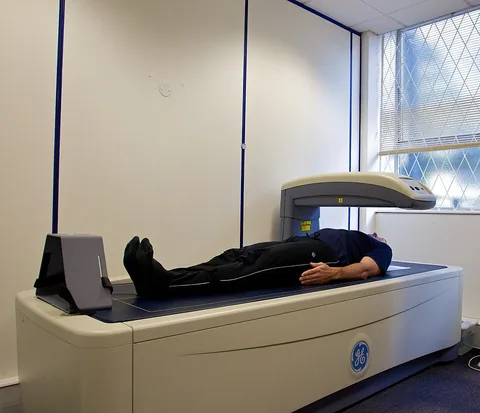 and strength.
This is almost archaeology at this point, thinking of what we measured, but we would have measured muscle mass and at different times we used MRI and we used DEXA.
Okay.
I don't remember what that study had.
Got it.
But we would have measured muscle mass. We measure soluble muscle proteins in the blood like CK and aldolase and LDH148Creatine kinase, aldolase and lactate dehydrogenase are enzymes from inside muscle cells; a rise in the blood means the drug is harming muscle rather than building it. and so forth.
Did you see any adverse effects in the phase one?
Yes. So the three adverse effects that are evident with BEMA that we think are on target and that were assessed in that study were muscle spasms or cramps. Acne is rare in older adults, and it was rare in this study because those were older adults, but when skipping ahead, when we've tested younger people, acne is more common. We don't understand why. And then there are GI symptoms of diarrhea that happen. They tend to be first dose related and less common subsequently, but they're reproducible and we think they're real. And we saw that stuff.
And how many steps of dose escalation did you do in that study? Or by the way, if that's too much detail to remember, don't worry about it. But just I'm wondering if you remember how high you got relative to what was an efficacious dose.
ExplainerSAD and MAD: how the dose is raised in a first-in-human study
A first-in-human study usually comes in two parts. First are cohorts of six to ten people given a single dose — SAD, single ascending dose: each cohort gets a higher dose than the last, provided the safety data from the previous one were quiet. Some participants in every cohort get placebo, so drug effects can be told from incidental complaints. Then comes MAD, multiple ascending dose: several doses in a row, as in the eventual treatment, which shows whether the drug accumulates in blood and whether effects appear that one dose did not produce. It was in the highest MAD cohort that the Bial disaster happened. The climb has a ceiling: exposure must not exceed what was tested in animal toxicology — both to the drug itself and, as Klickstein explains, to the impurities in it.
So there's some principles here. I personally like to dose as high as we can in the first-in-human study to understand if there is going to be any safety or intolerability issues in people, while at the same time never exceeding the exposures we've tested in animals.149The human ceiling is set by the exposure animals tolerated without harm in toxicology, with a margin — and the ceiling on impurities the same way. So the study designs include the opportunity to go as high as we can. Typically in antibodies, that ends up being as high as is feasible. And there are a lot of technical details here we don't need to get into, but when your antibodies are made from cell culture and they're highly purified, but there's still some measurable contaminants150Antibodies are made by living cells, most often Chinese hamster ovary cells. Purified product still carries traces of their proteins and DNA plus clumped antibody; the allowed fraction is checked in every batch. in them. And the amount of contaminants, of course, they're also tested as part of the toxicology studies because they're in the drug we give the animals, but we can't exceed the exposure to the contaminants either in the clinical study.
So sometimes that, sometimes it's the volume we can administer, the mass we can administer, and so forth. So I think the highest dose that we ended up doing in bimagrumab was something like 50 to 100 milligrams per kilogram,151For a 70-kilogram person, 50 to 100 mg/kg means 3.5 to 7 grams of antibody per infusion. The studies in older volunteers and BELIEVE used 3, 10 and 30 mg/kg (J Cachexia Sarcopenia Muscle, 2020). but you know, I don't remember.
And in that study in humans you're administering once a month?
Initially you'd administer once, then based on the emerging results for how long that lasts. And we knew what exposures we needed to reach in order to get maximal efficacy based on the culture data. There are a lot of cell culture experiments we did that we haven't talked about. Like we you can culture muscle cells in a dish and we did that and looked at the ability of the drug to cause hypertrophy of those cells.152Myoblasts in a dish fuse into multinucleated myotubes, a stand-in for muscle fibers; under the drug the myotubes get thicker. So we knew what exposures we needed to get to and how long we wanted to do it. But again, we don't exceed the exposures that we get in animals.
So I think after the single dose study, we probably did three doses. And that was it for the first-in-human study. And typically you need multiple doses in order to be able to see the technical term is pharmacodynamic effect. So the effects on the body that the drug causes.
17Where to run the first study in humans
The country is picked on recruitment, investigators, the regulatory environment and cost.
So the end point for the phase one before you move to phase two, where you're really going to actually look as your primary, and you're always looking obviously for safety, but now you're really pivoting to efficacy being the thing that you're trying to chase.
What did you need to submit to the FDA to say, okay, have we checked our phase one box?
Typically you're in reasonable communication with regulators, whether it's the FDA or whether you're overseas elsewhere, and you provide them with a report.153In the US there is no separate permission to move to phase two: the new protocol is filed into the existing IND and can start once an ethics committee approves it (21 CFR 312.30).
And Novartis is a European company, right? They're based in Switzerland, but this work was being done in the US?
I think we did do the first-in-human study in the US, yeah.
Any reason for that? Are European and US regulators so comparable on this point that it's really just a question of where your teams are?
So every country is a little different. Europe is somewhat homogeneous, but not completely so. Every country is a little different. And I think it's true both for large companies and small companies that you go wherever makes the most sense. It's where you can remember that the three biggest challenges of any clinical study are recruitment, recruitment, and recruitment. So you have to be able to get the subjects or the patients or the participants. You need qualified, experienced, reliable clinical investigators.
You need a regulatory environment that's supportive for what you're trying to do. And then you think about cost of the study. They're different in different countries. And so you integrate all of that stuff. And that chooses where, at least personally, where I would go to do a first-in-human study. Countries that are often used nowadays are Germany, Australia is pretty popular.
New Zealand?
Australia and New Zealand is very popular now. Things have really changed, I guess maybe in the past year or two about China being really popular because China has a regulatory environment that's become more favorable and they can do investigator-initiated studies with less supporting data than we require for a typical IND. So it can often be a faster way to test something. And of course, China has a lot of patients. So that's something that's being done now too. I personally love doing studies in the US and Taiwan.
ExplainerWhere to run a first-in-human study
In the US you file an IND with the FDA and can start after 30 days unless the agency objects. In Australia most early studies go through the notification scheme: the regulator, the TGA, does not assess the drug data, the protocol is reviewed and approved by an ethics committee, and the TGA merely receives a notification and a fee. A second scheme, with regulatory review of the data, exists but is used less. In China investigator-initiated trials have lately become popular: hospitals run them under the National Health Commission, bypassing the usual application to the drug regulator, NMPA, which gets a company its first human data faster — though those data will not be enough to register the drug.
Taiwan has, they have wonderful investigators. They speak English better than we do. They have a very centralized clinical environment, so they have many patients at a limited number of clinical sites. The regulatory environment is very similar to the US. Australia and New Zealand is favorable because they have a, especially this is Australia now, they have a different regulatory construct where safety is assessed by the ethics committee154An ethics committee — an IRB in the US, an HREC in Australia — is an independent panel of physicians, scientists and lay members that reviews the protocol and the consent form. and drug quality is assessed by the regulators. So they have a clinical trial notification process rather than an approval process. Plus the exchange rate's favorable now, so too. So if we get back to what is the trial going to cost, that's useful.
And how much reciprocity is there between agencies? So if you well, I should clarify the question. You can conduct the trial in Australia, but under the auspices of the FDA where they're issuing, or does it have to be in the US if the FDA is overseeing?
If the FDA is overseeing, the study's done in the US.155Fact-checkNot quite: foreign sites can and do run under a US IND, and the FDA accepts foreign data with no IND if the studies followed Good Clinical Practice (21 CFR 312.120).
So if you do a study in Europe and get European approval, or you do a study in Australia and get Australian approval, how much of an additional hurdle is there for the FDA to typically approve a drug?
So it's, let's talk about running a study versus marketing approval, very different. So for running a study, if you're doing it in, say, Australia, you apply to the Australian regulatory authorities and the ethics committee for the study, and they do the review and request modifications and eventually approve. And then the studies run in Australia. If you want to then do a study in the US, you have to apply for an IND, just as you would if you were doing it any other time, but you include all the data that you got in Australia as well. And if you were doing it the other way around, it would be the same thing. And it's true for any two countries.
Meaning if you had a drug that went all the way to the equivalent of a phase three ready for approval in Australia, and you come back to the US from scratch and say, we wanna do, we wanna be able to sell this drug in the United States, they're gonna say submit an IND.156Fact-checkNot quite: to sell a drug you file not an IND but a marketing application, an NDA or a BLA; an IND is needed only for studies in the US. The FDA can approve on foreign data alone (21 CFR 314.106).
The FDA. I think so, yes.
Yeah, wow. And but how much do you get the shortcut? Would they still make you do a phase one and a phase two, or would they let you go straight to phase three?
I would think you could go right to a regulatory study. I mean, to a registration study.157A pivotal study is usually a large randomized phase three; the regulator decides on marketing from its results. And in fact, this kind of thing is often done if because typically you do the phase one study somewhere, but rarely in more than one, two, or three countries, and then you can use that data to go to many countries for a phase two and then use that data to go globally. There are a few specific examples where you do have to run a phase one study before you go into that country. Best examples, the best defined examples are Japan. So to run a large study in Japan, you need to have run a phase one study in Japanese people.
ExplainerEthnic sensitivity studies
The international ICH E5 guideline (1998) sets out when a regulator may accept data gathered in another population. If a drug might behave differently because of genetics, body size, diet or medical practice, a bridging study is run before the large local trial: pharmacokinetics and tolerability in local volunteers are compared with the Western data. Japan's regulator, the PMDA, asks for it more often than most. Who counts as Japanese is spelled out in the protocol: typically, born in Japan, both parents and all four grandparents Japanese, no more than ten years lived outside Japan and no change of diet or way of life. Japanese people who have recently moved abroad fit that definition, which is why such studies can be run in Hawaii, say, or California.
And there is a formal regulatory definition of who is Japanese from the Japanese regulators. And you have to provide that data before you can do a larger study in Japan. They're called ethnic sensitivity studies. And scientific rationale for this is that the genetic background of Japanese people can be a little different. Average body size is often different from people in the West, and you want to make sure that the dosing and exposure will be safe and tolerable. But because the Japanese are so well organized and specific about what a Japanese person is, you can do these ethnic sensitivity studies in Hawaii, for example, or even California, or you can do them in Japan.
And I like to do them in Hawaii. China generally requires an ethnic sensitivity study also for the same reasons. And there are some specific examples of where there's toxicity of drugs in people on Chinese ethnicity,158The textbook case is carbamazepine: in carriers of HLA-B*15:02, common among Han Chinese, it causes life-threatening skin reactions many times more often, and the FDA advises genetic testing before prescribing (Wikipedia). but they have a less specific definition of who's Chinese, easiest way to do it is in China.
18The muscle grew, the strength did not
Novartis ran about sixteen phase two studies, and the drug reliably added muscle without moving the functional measures.
All right, so let's go back to BEMA.
You go into phase two now. By the way, at some point, doesn't Novartis sell this asset?
Yes. So Novartis had strong confidence in bimagrumab. It was first in class, had really obvious biology in humans. And basically, Novartis ran maybe, I think 16 phase two studies159The biggest bet was inclusion body myositis, a rare muscle disease, but the phase 2b/3 RESILIENT trial showed no improvement in walking (Lancet Neurology, 2019). of one sort or another, or phase one, phase two study, different indications. Tried very hard. So the drug reliably and predictably increases muscle size, but not performance assessments in a major way.160In 180 people over 70 with sarcopenia, bimagrumab added lean mass but did not separate from placebo on physical tests (JAMA Network Open, 2020).
And I think that's because remember in the rodents, in whom we saw both, size increase and performance increase, the mass increase was large, 20 to 30 percent or more. In humans, it's four to eight percent. In eight is the absolute max.
Were those differences based on dose or starting mass?
Biology. People are just not mice.
Oh, sorry. I mean the difference between the four and the eight, how much of that is dose dependent versus other demographic dependent on the pay like, you know, do you get more muscle mass in younger people, more muscle mass in people starting with more muscle mass.
Yeah, there's a trend to more in males versus females, a trend to more in younger versus older, but there's a lot of variability.
Do we know if other variables such as resistance training, nutrition, protein consumption would have augmented these findings? And how much were those variables controlled in these studies?
So we know some of that. We try to control as much as we can. There is one study that has not been published in peer-reviewed form yet, but there is an abstract for it. If people want to find it, they can look at it. So the BELIEVE study161A phase 2b trial in 507 adults with obesity: bimagrumab, semaglutide or both. Over 72 weeks the combination cut weight by 22.1%, 92% of it fat (Nature Medicine, 2026). of bimagrumab in obesity was just published a few months ago in Nature Medicine. If you look in there, this nutrition study is referenced. But there was a—
We'll link to it in the show notes.
Yeah. There was a study of bimagrumab in patients who were dosed at three different levels of protein calorie nutrition.162A phase one study in volunteers aged 50 to 75 (EASD, 2023): on half the recommended protein, thigh muscle on placebo shrank about 3.4% in a month, and bimagrumab largely prevented that loss (MIMS). And the bottom line is the more pro— and it was the recommended daily amount, half of that or one and a half times that, I think. And basically within those boundaries, the more protein you ate, the more muscle you built. Probably shouldn't surprise anybody. The other really interesting finding.
And by the way, twice the RDA is only 1.2 grams per kilogram.163Fact-checkWrong: the US RDA is 0.8 g of protein per kilogram, so 1.2 g/kg is one and a half times it, as Klickstein said; twice the RDA is 1.6 g/kg (National Academies).
Yeah, maybe that's what we used. It was 1.2.
Yeah, I would argue had you gone to 1.6 or 2, you probably would have seen more hypertrophy.
It's not been tested. I think you're probably right, but it hasn't been tested.
It's interesting. So it suggests that in humans you might have been substrate limited. Amino acid limited or protein synthesis limited.
It's a possibility.
And not drug limited.
I'll tell you a funny story about that in just a minute, but just to finish that study, the other very cool thing we found is that as you would expect, if you have half the recommended daily amount of protein calorie nutrients, you lost muscle mass. But bimagrumab prevented that.
So there was some biology working there for sure.
No question. No question. So the really interesting story is that when the bimagrumab project, when it was still in the research stage, moved from Chris Lu's lab to David Glass's department, which I was part of as the clinical side of that. One of the things we really wanted to do was co-develop a nutritional component to this therapy for the exact reasons that you brought up.
And at the time, Novartis had a nutrition arm. And so we were working with them to develop a specific nutritional supplement for what became bimagrumab. At the time it didn't even have a code yet. But then Novartis sold their nutrition unit, I think, to Nestlé.164Novartis sold its Medical Nutrition unit to Nestlé for 2.5 billion dollars; the deal closed in 2007 (GlobeNewswire). And so got the rug pulled out from under us on that side and we were never able to fully pursue that. But in retrospect, I really wish we had.
Do you think this is a blind spot for big pharma? Just the role of nutrition and other behaviors that can potentiate drugs?
Big pharma tries to control it, but they don't see that as their core mission.
Yeah, but I'm saying a blind spot, I appreciate that they want to control it and that makes sense, but I'm saying like it's an opportunity lost, right? Probably. Like here's a great example, right? Like BEMA could have been more of a hit if maybe, and maybe not, but a drug like that could have been a hit had it been appreciated that, oh, by the way, like you actually have to kind of do something to reap the benefits.
We would have figured this out many years sooner if we had kept that nutrition element. But again, one of the challenges of big companies is there's so many people involved. They don't all know what the others are doing, despite everyone's best efforts.
So basically it was a missed opportunity. And so did Novartis then spin it out after the less than expected findings in humans?
19Nine meters on the walk test and the decision to let the drug go
A meta-analysis put the gain at nine meters in six minutes, and Novartis moved the drug out of the company.
Yeah. So what happened was we saw muscle mass get larger, but not stronger. And parenthetically, that's the same as was seen with IGF-1 agonists and with androgen agonists. Remember, the SARMs165IGF-1 agonists (growth hormone acts mostly through IGF-1) and SARMs, non-steroidal modulators of the testosterone receptor, were also tried in sarcopenia; no SARM has become an approved drug. were extensively studied, is that you can make muscles larger, they don't get stronger in the absence of resistance training. So it's not unique to the activin receptor antagonist pathway. And in a meta-analysis of the Novartis studies, where they looked at muscle hypertrophy and sarcopenia, the meta-analysis showed an increased six-minute walk distance.166How far a person walks at his own pace in six minutes. In older adults a change of about 20 meters counts as meaningful (Perera et al., 2006). Nine meters, so a small effect.
That's my least favorite test in the world.
It's surprisingly hard to standardize.
Why wouldn't they just do something like, you know, a wall sit or, you know, something that really tests strength?
Many other things were done. The timed up and go test, the short physical performance batteries,167Timed Up and Go: rise from a chair, walk three meters, come back and sit, against the clock. The SPPB scores balance, a four-meter walk and five chair rises from 0 to 12. but six-minute walk was included in multiple studies, so you were able to do a meta-analysis of that.
Got it.
So an academic group did this and they published it. And so the four to, I don't know, eight percent increase in muscle mass that these older adults got yielded a nine meter increase in six minute walk distance.
I'm not convinced that's gonna help anybody not fall.
No, I don't think it will either. And Novartis didn't think so either, I guess. I don't, I wasn't an insider at the time. I don't know why they outlicensed it. I was the recipient of that. We were on the outside pulling. But the very last study Novartis did was a study in type 2 diabetics, because we had had data that hemoglobin A1Cs168A1C reflects average blood sugar over two or three months and is used to diagnose and follow type 2 diabetes. A 0.7 to 0.8% absolute fall means, say, from 8.0 to 7.2%. decreased in patients given bimagrumab. And that study, which ran for 48 weeks, so it was 10 mg per kg monthly for 12 doses.169A phase two study (JAMA Network Open, 2021) in 75 adults with type 2 diabetes and excess weight: over 48 weeks fat mass on bimagrumab fell 20.5% and lean mass rose 3.6% (PubMed).
Okay. So a lower dose than you were giving for hypertrophy?
No, this maximized the…
Oh, why did I think you said earlier 50 mg per kg?
In phase one, we went up high.
You went up that high, got it.
We went up as high as we could because we wanted to know what would happen if people were overdosed later. And the answer was nothing.
Okay. So at 10 mg per kg monthly over 48 weeks?
Yeah, was a maximal dose in terms of effect size.170The dose on the plateau of the dose-response curve: above it the effect barely grows. And they saw the expected muscle mass increase. Interestingly, they saw a substantial fat mass decrease. And hemoglobin A1C in these type 2 diabetics decreased by about 0.7 or 0.8% absolute, which is a pretty good effect.
Yeah. And do you think that that was on account of just more insulin sensitivity, or was it a larger reservoir for glucose disposal?171Skeletal muscle is the main consumer of glucose: under high insulin it takes about 80% of it out of the blood (DeFronzo et al., 1981).
Both of those things, I think.
And these patients didn't have to do anything else. It wasn't like in addition to that they changed the way they ate or they exercised more. You gave them a drug that added muscle mass, took off fat mass, and lowered A1C by 0.7%.
Yep. And they had standardized dietary advice to both groups,172Both groups were advised to cut 500 kilocalories a day and to walk more (MDedge). the 500…
So who, did Novartis run that study?
Novartis did the whole study and then they made a strategic decision that the effect size wasn't big enough. I mean actually I don't know what their strategic decision was, but they decided…
20Versanis: 53 investors and 70 million dollars
The drug was pulled out of Novartis into a company of its own, and the money appeared only after Novo's semaglutide data.
The output was we're going to spin it out.
ExplainerHow big pharma parts with a drug
A large company runs dozens of programs, and only those that fit its strategy best get money for the late, most expensive phases. The rest are shelved or licensed out: the rights to develop and sell pass to another company, while the former owner usually takes a payment on signing, milestone payments at the start of phase three, at registration, at sales thresholds, and royalties on future revenue. Often such a drug becomes the foundation of a new company built around it alone. That is Aditum Bio's whole model: its founders, former Novartis executives, look for drugs big pharma has set aside and build a separate company around each one — which is how Versanis came to exist.
Yep. The output was to spin it out. And at the time I was working with Joe Jimenez173CEO of Novartis from 2010 to 2018. and Mark Fishman and Praveena Kandula at Aditum Bio174Aditum Bio was founded by former Novartis executives Joe Jimenez and Mark Fishman; Praveena Kandula and Ilan Zipkin are its partners. as an advisor. And we really wanted bimagrumab.
What year is this approximately?
That it spun out was 2021. I think it was 2021. Yeah. Discussions had been ongoing in 2020, but I think it finally happened in 2021.
Okay, so you guys acquired the asset obviously for a lot less than you could have produced it.
Yeah. Still wasn't cheap because it was a phase two ready program,175More than 1,500 people had received bimagrumab by then, so the early risk was off the asset — hence the price (MedCity News). but we acquired…
You guys raised money for that acquisition?
No, Aditum did it all themselves, to their credit. And the plan was we were going to develop it in older adults with low muscle mass and impaired muscle function because we thought who were also obese because we thought this was the patient population most likely to benefit, losing fat and building muscle and maintaining muscle in the context of weight loss, we thought would be super important for those people.
And remember, all of this happened in the context of nobody being interested in obesity. Everybody thought it was a wasteland for drug development.176The reputation was earned: fenfluramine was withdrawn in 1997, sibutramine in 2010, lorcaserin in 2020, and the makers of Contrave and Qsymia both went through bankruptcy (FDA). Every drug that had been developed in obesity had failed commercially. I mean, there are some that had been registered, right?
But by 21, you're saying pre-21.
This was before Novo's semaglutide data came out.
Okay, that's right. Yep.
And I'll tell you, I…
Because that was 21, wasn't it?
Later in 21.
Okay, so it's November of 21.177Fact-checkNot quite: Novo's STEP 1 data — 14.9% weight loss over 68 weeks — came out in the NEJM in February 2021, and in June the FDA approved Wegovy (NEJM).
Yeah, I think February 21, we started Versanis Bio,178Aditum created the company for bimagrumab; it went public in August 2021 with a 70 million dollar series A led by Atlas Venture and Medicxi (MedCity News). which is the company that licensed bimagrumab from Novartis. So at that point, so I was the founding CEO, I was working with Ilan Zipkin, and we went out to raise money from investors because now, all right, great, we had this asset, we needed to run a big phase two study, and we went out to raise money. I think we talked to 53 investors. Almost none were interested.
Because you told them indication, sarcopenia still.
Well it was, it was sarcopenic obesity.179Excess fat together with loss of muscle and strength, common in older people: a person can weigh a lot and still be weak. And obesity was just not a successful area for drug development. So people weren't interested.
How much did you need to raise?
We ended up how much did we need versus how much we got are different issues.
Yeah, I know. That's why I asked.
But we ended up raising 70 million.
And what was your wish? If you could have had your wish list, what would you have raised?
About 100.
Okay.
ExplainerHow a biotech raises money
A single-asset company lives round to round. The first money often comes from the founders — here Aditum — and then come series A, B and onward, each sized to the next stage of development. A round is usually led by one or two funds: they do the diligence, negotiate the price and take board seats, and together with the other participants form a syndicate. Large rounds are often split into tranches: part of the money arrives at once, the rest when the company reaches an agreed goal, such as starting or finishing a trial. If the company is acquired, the investors take their share of the deal; Versanis was bought less than two years after its series A.
However, Atlas Venture180Atlas Venture (Cambridge, Massachusetts) and Medicxi (Europe) are life sciences venture funds that build single-asset companies; together they led the Versanis series A. and Medicxi liked the story. And I had worked with Atlas before, and Michael Gladstone was the partner, and it was Vanni Mariggi and Nick at Medicxi, Nick Williams. And we then built a investment syndicate and they funded the company and then everything changed when Novo's data came out with semaglutide, which was amazing. It was the first really effective obesity medical therapeutic. But then when you're doing drug development, you skate to where the puck is going to be, is Jay Bradner's favorite saying, but the puck was going someplace else now, right? Semaglutide was going to become the standard of care or some incretin agonist.181The incretins are the gut hormones GLP-1 and GIP: they boost insulin release and cut appetite. Semaglutide mimics GLP-1, tirzepatide both.
We knew it. So what we did is we quickly repositioned the company to think about what is bimagrumab going to do on top of that, because that's going to be the standard of care. So I quickly ran a bunch of mouse studies and the efficacy was additive182The combination gave roughly the sum of the two: semaglutide cuts appetite through the brain, while bimagrumab works on muscle and fat (Nature Medicine). when you took bimagrumab with semaglutide or tirzepatide or liraglutide,183Tirzepatide (Mounjaro, Eli Lilly) is a dual GIP and GLP-1 agonist; liraglutide (Saxenda, Novo Nordisk) is semaglutide's predecessor, injected daily. it did them all. And the efficacy was sort of unprecedented, never seen…
For both fat loss and obviously for preservation of lean mass.184Everything that is not fat: muscle, organs, water, bone. In weight loss it usually makes up 25 to 40% of what is lost.
Exactly. For weight loss, fat, especially fat loss and preservation of lean mass. It was amazing. So the opportunity became much larger. And the board then, and I was part of the board, the board then brought in a super experienced CEO, this was Mark Pruzanski,185Founder of Intercept Pharmaceuticals; CEO of Versanis from July 2022. to lead the company then because we had a really big opportunity and we knew it. And we brought in a CMO, Ken Attie,186Before Versanis he ran the luspatercept program at Acceleron for over a decade — another drug that intercepts activin receptor signaling. because I had been serving as the CMO also.
And then I stepped into president and CSO role just in terms of company organization, but we all kept working on the program. We ultimately ran what became the BELIEVE study. And the story here, we spent a lot of time thinking about what we would name our studies. The plan was BELIEVE was going to be phase two, BECOME was going to be phase three, and BEHOLD was going to be post-registration studies.187Trial names are often chosen first and the acronym fitted afterward: Novo's STEP is Semaglutide Treatment Effect in People with obesity.
And then you actually have to come up with what those things stand for, knowing only what the B stands for when you start. I mean, this is so funny how drug name studies work.
Yeah, you know how it goes. I know the drill. But they all became with B for bimagrumab.
Now, you haven't asked me where bimagrumab came from. So this is another interesting wonky drug development thing. So the generic name is called the INN name188Fact-checkNot quite: INN stands for International Nonproprietary Name; the names are assigned by the WHO (WHO). for, I think, international nomenclature. I'm not sure what it's an acronym for.
Which is why it ends in mAb, obviously.
So the suffix of a drug generic name is pre-specified based on the class. If you're the first in class, they'll pick a new one. But the company gets to recommend the prefix and sometimes the infix. So Bhima is the Indian god who's as strong as 10,000 elephants.189Fact-checkNot quite: Bhima is not a god but a hero of the Mahabharata, one of the Pandava brothers and a son of the wind god Vayu; in the epic he has the strength of a thousand elephants (Wikipedia). And that's why bimagrumab is bimagrumab.
And then ends in mAb, monoclonal antibody.
The grumab is a monoclonal antibody suffix.190Fact-checkNot quite: the suffix is only -mab; -gr- (target: muscle growth factors) and -u- (human antibody) are infixes (Wikipedia).
So any other drug that comes along in that class, what would be the nomenclature naming options?
ExplainerHow a drug gets its name
A drug carries three names: the developer's code (bimagrumab was BYM338), the international nonproprietary name, and the brand name the company invents (Ozempic). Nonproprietary names are assigned by the WHO and assembled out of stems: the ending marks the class of substance — -statin for statins, -tide for peptides, -mab for monoclonal antibodies — while the opening syllables, which carry no particular meaning, are proposed by the company. Antibodies used to carry two more pieces in the middle, for target and for origin. Adalimumab (Humira) parses as ada-lim-u-mab: -lim- for the immune system, -u- for a human antibody; trastuzumab as tras-tu-zu-mab: -tu- for tumor, -zu- for humanized, a mouse antibody rebuilt toward human. The origin stem was dropped from new names in 2017, and since 2022 new antibodies take one of four endings instead of -mab: -tug, -bart, -mig and -ment.
Antibodies are just complicated. There's a lot of different criteria for naming antibodies, and you have options for infixes and suffixes.
And what was the GLP-1 before liraglutide?
There's exenatide.191The first GLP-1 agonist (Byetta, 2005): a synthetic copy of a protein from the saliva of the Gila monster, a venomous lizard.
Right. So the tide became the thing that everybody had to link to going forward?
Tide is peptide.192GLP-1 analogues have a narrower stem, -glutide: liraglutide, semaglutide, dulaglutide.
But were they forced into liraglutide, semaglutide, tirzepatide?
The tide is used for that class, but there are other peptides that end in tide.
21BELIEVE: nine arms and 45.7% of the fat
At the high doses in combination, weight fell 22 to 23% and fat mass nearly by half.
Yeah. Okay, so you guys ran BELIEVE.
Yes. So BELIEVE it was originally planned to be a 24-week study in patients with sarcopenic obesity. That was what we were going to do. But then when Novo's data came out and we got super excited about obesity, we said, oh my God, we got to do a bigger study. We're going to do it in combination with semaglutide. And this was during the pandemic. So there was a lot of complexity and supply chain disruptions, but and remember with semaglutide, it was a proprietary drug of Novo, we couldn't get the drug substance. So we had to use the commercial presentation193The drug substance is the active ingredient itself; the commercial presentation is the finished pen from the pharmacy. Without the substance you cannot make a matching placebo. of semaglutide.
Super expensive.
Which was expensive and it's an auto injector.194Semaglutide is sold in injector pens; the photo shows the Ozempic pen with its dose selector. We couldn't make a placebo for that. So the study design included semaglutide as open label,195Open label means participants and physicians know who gets what. BELIEVE was blinded by halves: semaglutide was given openly, bimagrumab or placebo blind, by infusion every 12 weeks. but we did placebo controlled bimagrumab because we had control of that. We used bimagrumab intravenously just because it was the fastest, most straightforward way to get into the clinic, not public, was that we were working hard on an auto injector and we would have been ready in the next study for an auto injector, but it was intravenous for bimagrumab. And then what combination should we use? We ended up doing something called a full factorial design.
So we did all possible combinations of low dose semaglutide, high dose semaglutide, low dose bimagrumab, high dose bimagrumab, and placebo. So it's a nine-arm study.
ExplainerA full factorial design
A combination is usually tested in three arms: drug A, drug B, and both together. In a full factorial design every dose of one drug is crossed with every dose of the other, zero included: three levels of bimagrumab (placebo, 10 and 30 mg/kg) by three levels of semaglutide (none, 1.0 and 2.4 mg) make nine arms. It costs more, but one trial answers everything at once: what each drug does alone, whether the effect grows with dose, whether the effects add up or get in each other's way in combination, and which pair of doses to carry into phase three. BELIEVE had 507 participants, roughly 56 per arm.
Because we didn't know in humans what would happen with those different combinations. We didn't know if there would be adverse effects of the drug combinations or not. They did have a couple of adverse effects in common, diarrhea, for example. And this is in part why I did that pharmacology study in rodents, because if there was anything unexpected that would happen with the drug combination, I wanted to know about it. Technically, actually we had to do this because we weren't using the semaglutide in its intended population. I think it wasn't registered yet,196Fact-checkNot quite: Wegovy, semaglutide 2.4 mg, was FDA-approved for obesity in June 2021, and BELIEVE began in November 2022 (ClinicalTrials.gov). What lacked an obesity approval was the 1 mg Ozempic dose. I guess was the issue. We had the data, but it wasn't registered, so it wasn't indicated in obesity. So if you're using an ex…
And so yeah, you were using Ozempic, not Wegovy.197The same Novo Nordisk semaglutide under two brands: Ozempic (up to 2 mg) for type 2 diabetes, Wegovy (2.4 mg) for obesity. You were still using…
We used them both, actually.
Oh, you did.
Whatever we could get. Remember, they were in short supply.198From 2022 to 2024 semaglutide sat on the FDA drug shortage list. And to the regulator's credit, they recognized all of this and were willing to allow us to substitute interchangeably Ozempic and Wegovy.
Yeah. So what were the findings of this six-month nine-arm study?
So it was originally going to be six months, but we changed it from the original plan with bimagrumab alone to the combination. And it eventually became 72 weeks of treatment, 48 weeks was the primary end point, and then we had a six-month follow-up period, so 104 weeks total study.199Fact-checkNot quite: after 72 weeks of treatment (48 blinded, 24 open-label) the off-drug follow-up ran 32 weeks, not six months (Nature Medicine).
Two years. Did you have to raise more money?
We did.
Yeah. I was gonna say that's a hard study to do for 70 million bucks.
Yes. We did and it was 500 people enrolled, roughly. Five hundred and seven was the exact number. So we found, so I guess number one, and one of the things I'm kind of proud of is I got the doses right because you wanted to see a partial response with the low dose, a full response with the high dose for both of the drugs, and see those kinds of dose responses in the combination arms.200By week 48 bimagrumab had cut body weight by 5.0 to 9.7% depending on dose, semaglutide by 11.0 to 14.8%, the combinations by 14.3 to 20.2%, placebo by 2.5% (Nature Medicine). Remember, there's four combination arms, right? There's low-dose BEMA, high-dose BEMA, low-dose sema, high-dose sema, four combinations, and then placebo. And we saw the dose effects in all the arms. So that was good. And the primary end point was body weight. Wasn't what I wanted for a primary endpoint. I wanted waist circumference.201Waist circumference tracks visceral fat — the fat around the organs most tightly linked to diabetes and heart disease — better than body weight does.
Why couldn't you get DEXA? Too expensive.
ExplainerPrimary and secondary endpoints: why BELIEVE chose body weight
A protocol has one primary endpoint: the number of participants is powered for it, and the trial counts as a success or a failure on it. Secondary endpoints can be many, but conclusions drawn from them are held to be weaker. The FDA has judged obesity drugs on body weight since 2007: a drug is considered effective if mean weight loss over a year exceeds placebo by at least 5%, or if at least 35% of participants lose 5% of their weight, roughly double the placebo share. So body weight became BELIEVE's primary endpoint, while waist circumference and fat and lean mass by DEXA went into the secondaries.
We thought that since the registration decision is made on the basis of body weight loss, we wanted that as the primary end point. We included DEXA in every single patient.
Yeah, it's crazy to me that you would be held to the standard of weight loss when in reality a better outcome might be less weight loss if you're preserving muscle.
We were acutely aware of that.
Yeah, that's awful.
But it is not what the field was thinking.
No, I know, but it's just, I mean, it's, I actually like, biology abuts regulatory simplicity for [unclear].
Yeah. Yeah. I personally wanted waist circumference. And I wrote a long white paper about this because waist circumference is more closely linked to important clinical outcomes than is BMI or body… So body mass index is if you're following longitudinally is essentially the same as body weight because height doesn't change over a short term. Just for listeners. So we ended up using body weight as the primary endpoint. And it wasn't just regulatory intransigence. It was also what do investors and potential acquirers think? Everybody cares about what the approval endpoint is going to be.
We wanted that to be the primary endpoint. But we measured all these other things. And to sort of zip ahead to the end, in the high dose combination group, the body weight lost at 72 weeks was 22, 23% of starting body weight.202The paper reports 22.1% (24.2 kg) for the high-dose combination; semaglutide alone gave 15.7%, bimagrumab alone 10.8% (Nature Medicine).
High, high. Yeah. Double positive.
The high high combination.
And what was the high…
But the fat loss was 45.7% of starting body fat. Now that's what you get with bariatric surgery.203Surgery for obesity — gastric bypass or sleeve gastrectomy. The BELIEVE authors also put the fat loss on the combination within the range of bariatric surgery (Nature Medicine). So this, to me, this is the first medical therapy that gives fat loss equivalent to or superior than bariatric surgery.
That's amazing. Did you do any functional testing in that study?
We did. We did and we even did a preliminary observational study in overweight adults at different age cohorts, and we tested a few different things. We tested essentially timed up and go or short physical performance battery. We tested the 30-second chairstand test, which is my personal favorite, and we tested grip strength.204The chair stand test counts how often one can rise from a chair and sit back down in 30 seconds without the arms. Grip strength is a sturdy predictor of mortality: in the PURE study every 5 kg less went with 16% higher all-cause mortality (The Lancet, 2015). But ultimately we went with grip strength in the BELIEVE study because it was the one most closely linked to clinical outcomes.
And did you see an improvement in strength?
Small.205In the paper grip strength rose appreciably in one group only — bimagrumab 30 mg/kg with semaglutide 1 mg: +4.8 kg against +1.7 kg on placebo (Nature Medicine). But also it was a variable assessment.
Okay.
It's in the published study that came out a few months ago.
22The drug at Lilly, LDL up 20%
The one unexpected effect of the combination was a rise in LDL, and Klickstein considers it on target.
Now, Novo bought this asset from you guys, right?
No, Lilly did.
Oh, Lilly did. Okay.
So we were super excited about the study. It was ongoing. We were enthusiastic. We closed a series B in two tranches and we'd called the first tranche. And then the company got bought by Eli Lilly.206Eli Lilly agreed to buy Versanis in July 2023 for up to 1.925 billion dollars including milestones (BioSpace). And so they have bimagrumab now.
What are they doing with it?
You have to ask Lilly.
But they made some noise last fall that they were pausing the program or—
No, they just paused one study, but they still have other studies in clinicaltrials.gov.207The US trial registry, run by the National Library of Medicine; it is how outsiders can see that Lilly is still running trials.
Okay.
But you got to ask them.
I see. So publicly, the only thing we know is they're still doing something with it, presumably testing it with tirzepatide, I'm guessing, or retatrutide?
The study that's in clinicaltrials.gov is a complex combination study with tirzepatide. I do think it's fair to mention the one adverse outcome that happened in the BELIEVE study that we weren't really expecting, which is an increase in LDL.
Yeah, how much— I remember that now. I thought that was actually something that Lilly saw, but that was in your study.
And how much of an increase was it?
It was about 20%.
Why do you think that was biologically?
It's a direct effect of the drug in the liver.
So interesting. Again, you wouldn't expect this off target, would you?
This is on target, but because remember, there's activin receptors everywhere.
Oh, I didn't realize that.
ExplainerWhere LDL cholesterol comes from — and why a drug can push it up
The level of LDL in blood sits on two opposing flows. The liver assembles particles that carry cholesterol out to the tissues and releases them into the blood: that is synthesis. The same liver pulls them back in with LDL receptors on its surface: that is clearance. Most cholesterol-lowering drugs work the second side: statins make the liver take more particles out of the blood, PCSK9 inhibitors keep those receptors from being destroyed so that more of them sit on the cell.
So Attia's question — impeding clearance or increasing synthesis — is not idle. If the antibody suppresses LDL receptors, its effect overlaps with statins and might be undone by them. If instead the liver simply releases more particles under the drug, the picture is different. And on target means the drug does this through the very target it was built for: activin receptors sit not only on muscle but in the liver.
Yeah.
Ah. So it's doing something to interfere with LDL clearance, presumably.
I guess, but I don't know what the biology is. It hasn't been studied to— or no, maybe not.
I mean, what would be a more plot? I mean, that would be studyable, right? Is it impeding LDL clearance or is it increasing LDL synthesis?
I know who knows the answer to this. So Chris Lu, when he left Novartis, eventually founded a biotech called Laekna in China.208A Shanghai biotech founded by Chris Lu. Its antibody LAE102 blocks activin receptor type 2A, and since November 2024 Lilly has been developing it with Laekna for obesity (Business Wire). And he's made therapeutic antibodies to activin receptor type 2A, type 2B, and the combination, and he studied them. So he knows the answer to this, and I assume he'll publish it at some point.
And Lloyd, were there any adverse effects on glucose in the other direction? Did glucose ever go up?
Okay, so and did you continue in BELIEVE to see glucose go down the way you did in the diabetic studies?
Independent of what you would have seen from sema, I mean.
Yes. So we have all of that data and it's published in the Nature Medicine paper. At EASD209The annual congress of the European Association for the Study of Diabetes; publishing there means a presentation, not a journal paper. in September, which is a European meeting, we're going to publish the results of the six month off drug results.
So that's off both drugs.
Yes. And so the real issue is what's going to happen when you withdraw the drugs. And we know what happens when you withdraw semaglutide,210In the STEP 1 extension, people taken off semaglutide regained about two thirds of the lost weight within a year. right? Everything goes back towards where it was, doesn't quite get there, and we're going to find out with bimagrumab. I expect some things are going to reverse. Like we know that muscle mass with every muscle anabolic agent reverts towards baseline when you withdraw the therapy.
I expect that's going to happen in the humans, it happens in the rodents. In BELIEVE, we deliberately included patients with metabolic syndrome.211Metabolic syndrome is three or more of five features: large waist, high blood pressure, high triglycerides, low HDL, raised blood sugar. So these are people who are pre-diabetic. So we can measure diabetic endpoints in these people, and it's going to be super interesting to see what happens there. Personally, if we had kept bimagrumab in Versanis and been a standalone entity, we would be well advanced into phase three by now. And the reason is because I believe even with those LDL effects, which are not favorable, LDL predicts adverse cardiovascular endpoints.212LDL is one of the rare surrogates whose causal role is established by both genetics and trials, so a 20% rise is no lab curiosity.
But I believe that you can monitor it and you can treat it.
Yes. Which as an aside, since my personal interest is making drugs to prevent the most common causes of morbidity and mortality in older adults. Side effect of that is healthy longevity. That's what I do. I am not making cardiovascular drugs, even though it is the most, it is the number one cause of morbidity and mortality in adults in the U.S. and in many developed countries around the world. The reason is we've already got a lot of good drugs. We're just not using them for primary prevention,213Primary prevention is treating someone before the first event: a statin for a person who has had no heart attack. which we need to be doing more of.
So with that aside, I would be well advanced in developing bimagrumab in phase three, but I would, I think the paradigm for managing obesity is going to be induction and maintenance of remission,214A pattern from oncology and rheumatology: strong therapy first to beat the disease down, then something gentler to keep it away. probably combination and injectable therapies to get people to their, you know, to move them categorically from obese to non-obese. And then they need something for maintenance, which might be something like orforglipron215Lilly's small-molecule GLP-1 agonist: a pill, cheaper to make than injections, with about 12% weight loss in phase three. or some oral GLP-1 agonist to maintain appetite and satiety.
And you don't think just a lower dose of the injectable could do?
Absolutely it could. Yeah.
You're just saying economically, it might be easier to make it orally or something.
Exactly. Yeah. Exactly.
23mTOR: selectivity and geroprotection
Klickstein thinks suppressing mTORC1 will work in humans too, but the effect will be modest and no selective drug exists.
Okay. I want to pivot and talk about one other thing, which is also an area where you know a lot about it, which is selective mTOR inhibition.216The cell's nutrient sensor: it reads incoming nutrients and decides whether the cell grows or economizes. We're not going to spend as much time on it, of course, but again, talk to me about where your head is at these days on that pathway in general. Do you believe that this is geroprotective in humans?217Slowing aging itself rather than treating one disease. I mean, it's been well established how geroprotective this is in mice. Almost assuredly, I think it'll end up being geroprotective in dogs.218The Dog Aging Project's TRIAD trial is testing exactly this, giving pet dogs rapamycin or placebo and following them for years.
So it might be safe to say that inhibiting mTOR in everything from yeast to dogs and maybe even primates extends life. We don't have a clue if it's going to in humans. We'll never probably get to directly test it. There are really good compelling arguments on both sides of why it may or may not be the case in humans, including the longevity quotient argument219A species' lifespan relative to what its body mass predicts. Humans already rank near the top, so what extends a mouse's life may give a person far less. and things like that. What are your thoughts?
I think it probably will. It's highly conserved biology across evolution, so I think so. Reductively, if you envision mTORC1 as a master regulator of sensing, sort of integrating nutritional inputs and then deciding to grow or not grow. And not grow means circling the wagon, upregulating autophagy and recycling pathways.220The cell digesting its own damaged proteins and organelles. mTORC1 holds it back; fasting releases it. I think it probably would. I think the effect size is going to be modest. Is it just as it has been preclinically? And I think it's TORC1. Haven't seen a lot of new data on that.
Well, there was that study somewhat recently suggesting that rapamycin221Rapamycin (sirolimus) gave the pathway its name: mTOR, mechanistic target of rapamycin. In mice it extends life even when started in old age. impaired, I don't know if it was impairing MPS or some other metric of physical performance or something. Obviously, you're familiar with the agents you've tested. You know, we're still at sort of the infancy of these drugs, right? What do you think is standing in the way of more drug development on more and more selective, potentially higher efficacy, but potentially lower side effect burden versions of drugs that can inhibit mTOR complex 1?
ExplainerThe two mTOR assemblies and why rapalogs hit both
mTOR is one enzyme, but it works in two different assemblies with different partners. mTORC1 is the nutrient sensor: it switches on growth and protein synthesis when amino acids and insulin are present, and switches off autophagy. Suppressing it is what extends life in yeast, worms, flies and mice. mTORC2 runs other business, including how obediently a cell listens to insulin; suppressing it does the opposite good — blood sugar rises, immunity suffers.
Rapamycin and its derivatives, the rapalogs, do not plug the enzyme's active site but sit on its side in a pair with the protein FKBP12 — an allosteric action. The arrangement touches only mTORC1 at first, but with sustained dosing rapamycin starts suppressing mTORC2 as well: it catches molecules of the enzyme before they can assemble into the second complex. Hence the side effects that keep rapamycin from simply being handed out to healthy people. Catalytic inhibitors, which strike the active site, are not selective at all — they switch off both assemblies. The combination Klickstein describes was an attempt to get around the fork: a small dose of a catalytic compound plus a small dose of an allosteric one, so that together they suppress mTORC1 and leave mTORC2 alive.
The selectivity is the big challenge, because with rapalogs, as you know, they're TORC1 selective, but there's a downregulation of TORC2 with sustained exposure. And I don't know that we, you know, so in resTORbio,222A spin-out of the Novartis mTOR program; its phase three trial in older adults failed in 2019, and it merged with Adicet Bio. we tried to manage that by a combination of a catalytic and an allosteric inhibitor, which seemed to do it. And I know there are other companies that are working on other ways to get TORC1 selective inhibition, and I think that's what we need is a real TORC1 selective inhibitor, and then we can test the biology.
And do you think that just intermittent dosing of everolimus or sirolimus223Rapalogs already on the market, used after organ transplants and in some tumors. Intermittent means weekly or in courses. gets that?
Maybe. Again, it's hard to tell in healthy people because, you know, in cancer, when you study mTOR inhibitors, the cancers have a highly upregulated pathway and it's easy to see the biology. You can't really see the active biology in humans measuring blood. It is not necessarily the tissue you want anyway. When we do this in rodents, we measure their liver activity. And I think we mentioned, you and I discussed this before, that in young rodents with fasting, they downregulate mTOR, as you would expect. In old rodents, they didn't. So it makes me call into question the whole concept of intermittent fasting224Eating compressed into a few hours a day; its benefit is usually explained by mTOR switching off. in older people, because I don't know if it'll do the same thing.
Yeah. Again, imminently testable.
Nobody's lining up for liver biopsies, though.
No, and there's… And we can't get that with MRS225An MRI mode that measures the content of substances in tissue, such as liver fat, but not signaling activity. or anything else.
I don't think so. It's just… Yeah.
24A drug to prevent cancer
Klickstein is making a drug that gently turns on a protective pathway whose switching off causes cancer in the first place.
Again, the price of admission is so great on that. Okay, final question slash topic. As you think about drug discovery over the next decade, I'm not going to ask you the question everybody's thinking as, how is AI gonna help? We'll punt that for now.
Thank you.
Yeah. What are you most optimistic about in terms of pathway, disease? Where are you most excited? Where do you think we're going to be in 10 years where there's been a step function change?
I think we're starting to wake up to the concept of real medicine, real medical prevention. I mean, this is something I've been saying for years. You've talked about it a lot, is that we need to get away from being a sick care system to a healthcare system. And the way you do that is with preventive medicine. And the way to implement it is you need better primary care and you need codes for preventive visits.226ICD and CPT codes on an insurance claim: no code, no payment. There is no code for cancer prevention. Because right now if I wanted to see a patient for prevention of cancer, for example, so my new company is cancer prevention, there's not codes for that, so you can't bill for it. So there's a lot of institutional hurdles that we need to get through, but I think people are waking up to the concept of I want to stay healthy rather than get sick and get treated.
Say a bit more about your current company and how could one develop a drug for cancer prevention?
Yeah, so this is conceptually difficult to wrap your head around. But again, where do new drugs come from? They come from reading the literature and thinking, which is sort of what I did after Versanis ended for me, it's still ongoing in Lilly. And there are some papers published over the past five to ten years about drugs that cause cancer. So if a drug causes cancer, it must be most likely inhibiting a cancer protective pathway. Most drugs are inhibitors of things.
The prototype for this is sorafenib,227Sorafenib (Nexavar) is a tablet that inhibits many kinases at once; it treats kidney and liver cancer. which is a multi-kinase inhibitor that's used to treat renal cell carcinoma and hepatocellular carcinoma primarily. If you give that drug to people, about 10% of the patients, of the older patients get skin cancers. Why is that?
And are these melanomas or are these squamous or basal cells?228Basal and squamous cell carcinomas almost never spread; melanoma is rarer but causes most skin cancer deaths.
The cancers they get seem to be the prevalence that's reflected in the normal population. So almost everything that's ascertained is basal cell and squamous cell. And more recently, we understand the pathway biology of that. Sorafenib is a multi-kinase inhibitor. It inhibits a lot of kinases, but one of the ones that it inhibits is the sensing kinase that triggers something called ribotoxic stress. And this is a pathway that causes cell death.
ExplainerRibotoxic stress: the brake sorafenib takes off
When a ribosome — the machine that assembles protein — is damaged and stalls, the cell raises an alarm: the sensor kinase ZAKα notices and sets off a cascade leading to inflammation and cell death. That is how the body clears cells with broken protein production, such as skin cells battered by ultraviolet light. Among its many kinases sorafenib also inhibits ZAKα (Vind et al., 2024), so damaged cells that should have died survive.
At the other end of the dial are the toxins. Ricin and alpha-sarcin break the same stretch of ribosomal RNA (hence the name sarcin-ricin loop), and diphtheria toxin knocks out an elongation factor; they act irreversibly, and a handful of molecules kills a cell. Klickstein's idea sits in between: turn the same pathway up slightly, so that cells heading toward cancer die sooner.
That pathway, if you turn it on irreversibly and covalently, is the target of some of the nastiest toxins that you know about, like diphtheria toxin, sarcin, ricin. It's a very, very potent pathway. My innovation is putting together different parts of the literature, I came up with a way to turn it on in a gentle and controlled fashion. Remember, it's on constitutively in people because if you turn it off with these multi kinase inhibitors, you get cancer. So the hypothesis of the company is if we turn that pathway on a little more, we'll prevent cancers. Not all of them, but maybe 50% is what I'm hoping.
Source: American Cancer Society, 2026
And since skin cancer is almost as common as all other cancers put together, we got to start there. But in a phase two study of older adults, and older adults in this context means 50 and up. Sorry, Peter.
I'm in that category squarely, don't worry.
I have been for a while. And who have had at least five skin cancers in the past, those people have a 50% chance of having another skin cancer within a year. So if we recruit a cohort of 100 or 120 of those, we would be able to test the low dose, high dose placebo and actually measure cancer prevention in a phase two study.
Now is there a risk that it will only work in preventing squamous cell and basal cell carcinoma, but will not progress an epithelial tumor?229Carcinomas, tumors of organ linings, are most adult cancers. Or prevent, I'm sorry.
ExplainerWhy cancer prevention is nearly impossible to test
A drug for a disease has a patient; a drug for a cancer that does not exist yet has none. You have to enroll healthy people and wait to see in how many of them a tumor appears. Among the middle-aged, fewer than one in a hundred is diagnosed in a year, so telling drug from placebo takes tens of thousands of participants and years of follow-up — that is how the aspirin trials for colorectal cancer prevention are built. No biotech on startup capital can carry a study like that.
There is one way out: narrow the enrollment to people in whom the event is frequent. Klickstein takes people who have already had five skin cancers — he puts their chance of another within a year at 50%, and then a hundred participants suffice. Attia proposes the same trick with patients treated for stage three cancer, whose risk of recurrence is known in advance and high. The catch is that what is proven in such a sample is strictly proven only for that sample, and extending the conclusion to ordinary people needs the huge trial again — after the drug is approved.
That's possible because the only data we have are for skin cancer. But even if it only prevented skin cancer, that's a really big medical need. But I think it will work on multiple cancers. But it's going to be almost impossible to test that before approval just because cancer incidence is a really rare event.
Yeah. Yeah. I guess the next thing that would be an interesting question, Lloyd, would be you take a bunch of patients who have successfully undergone adjuvant therapy230Treatment after surgery, when no visible tumor remains. Stage three means the tumor reached the lymph nodes but has no distant metastases. for a stage three epithelial cancer. So I would think colon cancer or breast cancer. They're NED, no evidence of disease for the listener, but there's a 50% chance they're going to have a recurrence. You know, you stratify it in a way that you basically find people who have a very high risk of a cancer recurrence and then you treat them.
I think that's one way to do the other study. What I've done in Koslapp Therapeutics is a collaboration with the Broad Institute231The MIT and Harvard genomics institute in Cambridge, Massachusetts. where we took our tool compound.232A molecule for testing the idea in the lab, unfit to be a medicine; a development candidate is the one you take into the clinic. Now we don't quite have a development candidate yet, but we took the tool compound, which is good enough, and run it through their panel of a thousand cancer cell lines to see what tumors are sensitive to it. So this would be a treatment mode rather than a prevention mode.
And you think it could have efficacy in treatment as well?
That's the question we were asking. And melanomas emerged as by far the most sensitive tumor. Now, I'm not sure why, because my hypothesis, the thing about skin cancer is it's got a heavy mutational burden233The number of mutations in a tumor's genome; skin cancers have the highest, thanks to ultraviolet light. because of all the UV exposure. It's the highest mutational burden organ we have in normal people. And I thought that was going to be it. And there was a correlation between mutational burden of the cell lines and susceptibility to this mechanism, but it wasn't great enough to explain the tumor susceptibility. So it's something else.
That would be good news.
Source: Green et al., Journal of Clinical Oncology, 2011; 1,621 adult residents of Queensland
Yeah, so it's there, but it's not good enough. So I don't know why melanomas are so sensitive, but they're enormously sensitive. So I'm very confident this will be a therapeutic for melanoma as well. And it augurs well to the idea of preventing melanoma, which is also testable and has been proven with a therapeutic intervention in a wonderful study conducted in Australia.234The Nambour trial: from 1992, 1,621 adults in Queensland were randomized to daily sunscreen on face and arms or use as they pleased; results in the chart. The intervention was intensive sunscreen use compared to usual practice. So it's going to be testable in a large phase three study, but not before that.
So yeah, so that's what I'm doing. And I think preventing cancer…
That's a very interesting idea. I mean, that talk about a whole new playing field, right? Pharmacologically.
Yep. Nobody's made a drug for this mechanism.
Because we usually think avoiding cancer or preventing cancer comes down to avoiding carcinogens.
Which we should definitely do. Yes, yes, absolutely. So don't drink alcohol too much.235The WHO's cancer agency puts alcohol in its top carcinogen group, alongside tobacco; it is linked to at least seven cancers, and advisories name no safe amount.
Or yeah, don't smoke.
Don't smoke.
Be as insulin sensitive as possible. Yeah. All of these things.
All of those things. Lose weight if you're overweight. We know that successfully treating obesity prevents a bunch of cancers. And we know that from the Swedish obesity study,236Swedish Obese Subjects, running since 1987: about four thousand people with severe obesity, half given bariatric surgery; the operated group had less diabetes, fewer heart attacks and fewer cancers. which is an observational cohort of Swedish patients who've undergone bariatric surgery and these people are being followed for decades it's doing all the good things you'd expect of successfully managing obesity.
Well, Lloyd, this has been great. This has been kind of a wonderful education on drug discovery using, I think a very interesting drug in BEMA as a case study for the complexity and the nuance of the process. And by the way, I don't think I realized that the BEMA story is still ongoing. So that's great. So we're going to continue to follow this biology and it'll be interesting to see where Eli Lilly goes with this drug. But it sounds like based on what's showing up on clinicaltrials.gov, they're following in your footsteps in that they're probably testing this in parallel with the newer generation GLP-1 agonists and the…
As best I can tell, that's what they're doing. And it's not now just Eli Lilly because many other companies, you know, who have seen the BELIEVE data, because we've been presenting it at national meetings, are, and international meetings for that matter. There's a lot of other pathway inhibitors that are under development.
Yeah. Well, really appreciate your time, Lloyd.
And it's been a pleasure to chat again.
Great efforts, yeah. Thank you.
Thank you.
Thank you for listening to this week's episode of the Drive. Head over to peterattiamd.com forward slash show notes if you want to dig deeper into this episode. You can also find me on YouTube, Instagram, and Twitter, all with the handle Peter Attia MD. You can also leave us review on Apple Podcasts or whatever podcast player you use. This podcast is for general informational purposes only and does not constitute the practice of medicine, nursing, or other professional healthcare services, including the giving of medical advice. No doctor-patient relationship is formed.
The use of this information and the materials linked to this podcast is at the user's own risk. The content on this podcast is not intended to be a substitute for professional medical advice, diagnosis, or treatment. Users should not disregard or delay in obtaining medical advice from any medical condition they have, and they should seek the assistance of their healthcare professionals for any such conditions. Finally, I take all conflicts of interest very seriously. For all of my disclosures and the companies I invest in or advise, please visit peterattiamd.com forward slash about, where I keep an up-to-date and active list of all disclosures.


