

How I Write
Chapters
Perell argues that anyone who writes can learn from stand-up comedians: they do the same work, but get feedback right away.
Read the chapter- A comic writes, goes straight on stage and finds out whether the joke works.
- What works gets refined; what flops gets buried and never mentioned again.
- Stand-ups, Perell says, know that volume is what leads to good material.
Taylor writes jokes at a notebook, not on stage, and her best subjects are the ones she hasn't figured out herself.
Read the chapter- She needs a notebook, a free day and a list of subjects she could talk about for a couple of years, which is how long an hour worth recording takes.
- The best subjects are the ones she's unsure about, like whether she wants kids.
- She cites old advice she thinks goes back to Judy Carter's Comedy Bible: write down everything that makes you angry, seems stupid or unfair.
- Perell notices, and Taylor confirms, that her specials alternate: broad, specific, broad again, specific again.
- She works backwards: if people laugh, they're going through it too; if not, "it's just me, and then we take that to therapy."
A joke travels from a note on her phone to the stage, and which jokes land depends on how the room sees the comic.
Read the chapter- One joke started as a phone note: a loud baby on a plane isn't crying but laughing, just as loudly, and nobody tries to stop the laughing.
- That joke, Taylor says, works not on recognition but on surprise: "I never thought of it that way."
- Some comics get away with "I'm a piece of shit"; she can't, because she has a "nice Midwestern daughter vibe."
- Jokes that don't fit her persona she suggests to friends, and they do the same for her.
From the first minutes Taylor works to make the audience feel safe, and even her crowd work follows a plan.
Read the chapter- In a special the applause and local jokes get cut, but at a live show she wants to signal "I see you, I'm not on autopilot."
- She asks the crowd a question every 15 to 20 minutes, ties it to the hour's themes and keeps clear transitions back into the set.
- Unlike Mitch Hedberg, she can't string together standalone jokes; she needs topics that flow into each other.
- Having started in high school, she learned early to move the mic stand with confidence and look like a professional so the room wouldn't get nervous.
Taylor loves stand-up for its instant feedback, while the book taught her to wait, and the hardest part was letting it go.
Read the chapter- She loves writing a joke at four o'clock and finding out at eight whether it's good.
- A big laugh, she says, feels like telling a friend "I think this person kind of sucks" and hearing "I think that person kind of sucks," only it's a whole room.
- Tina Fey's and Mindy Kaling's books are packed with jokes, Amy Poehler's is more earnest; her introduction warned Taylor that writing a book is hard, and she was pleasantly surprised.
- The hardest part was finishing the book and waiting for it to come out, knowing she couldn't change anything; specials are the same.
On the page, humor can take its time: a book doesn't need a laugh on every page, because the reader is alone with it.
Read the chapter- In a book you can't coast on a funny face.
- Stand-up packs the most ideas into the fewest words, while a book needs room to unfold; but the stage taught her how to edit.
- Stand-up needs a laugh every 20 seconds; a book can be witty one moment and earnest the next.
- People read alone, in bed or on a train, and rarely laugh out loud.
What helped Taylor most in books about writing were authors admitting how scary it is to put work out.
Read the chapter- She calls Anne Lamott's Bird by Bird, which she first read in high school, the best one.
- She thinks every day about its line on perfectionism: everyone dies, but the people who weren't obsessed with perfection had more fun.
- What helps most is that every writer thinks their work is garbage and puts it out anyway.
Feedback from young women in the audience made Taylor balance her jokes about herself, and the run about her mother's death worked once she was in a better place.
Read the chapter- At 21 or 22, young women came up to her after shows: "If you're annoying or ugly, then what am I?"
- Tear yourself down and you insult your audience too, so now she balances self-deprecation with confidence.
- An audience can tell when you're not over something; the jokes about her mom's death started working once she was in a better place.
- A minute of jokes about losing a parent in Look at You grew into a six-minute run once she started telling the crowd, "I'm fine. Look how successful I am."
Taylor needs people around her to write jokes, but the book took a shut door and morning hours.
Read the chapter- Perell passes on a friend's account of Hasan Minhaj's studio, which has no phone and no Wi-Fi: "that room is where the money is made."
- She writes jokes in cafés where she can watch people, but wrote the book in an office with the door shut and the Wi-Fi off.
- The first draft happened between 9:30 and 4:30; editing could also happen at night.
- She envies people who drink and collect wild stories, but touring is already hard enough on the body.
Clips sell tickets, but the hour comes first for Taylor, and she shapes it by listening to tapes of every show.
Read the chapter- She got on TikTok after her first special; after COVID, clips became the way to sell tickets, but the hour comes first.
- Jokes come from being around people: on a plane, in a thrift store, in a bookstore wearing AirPods with nothing playing.
- She tapes every show and listens back on walks.
- Clapping in agreement and woos, she says, mean the point is good but not yet funny.
- An hour, like a good album, needs ebbs and flows, or the audience checks out.
The book and the stage taught Taylor to be honest without revealing every detail.
Read the chapter- When she was young, everything was material; now her relationships matter more than a good clip.
- You can be honest without carving yourself up; she kept some good stuff to herself and left it out of the book.
- Every beginner's first twenty minutes of material are derivative; Perell recalls Ed Sheeran comparing writing to a faucet that runs dirty water first.
- She barely watches other people's stand-up so she won't conclude everyone is better than her.
There's no secret beyond writing and performing; only a laugh proves a joke, and comedian friends help it grow.
Read the chapter- After 120 to 140 interviews, Perell lands where Taylor's book does: just write, and if you have nothing to say, go live a little.
- Until someone laughs at what you wrote, you don't know whether it's a joke.
- Sophie Buddle and Dustin Nickerson travel with her, write tags for her jokes and can write in her voice.
- From one or two anchor punchlines she riffs, and the good additions grow into a whole bit.
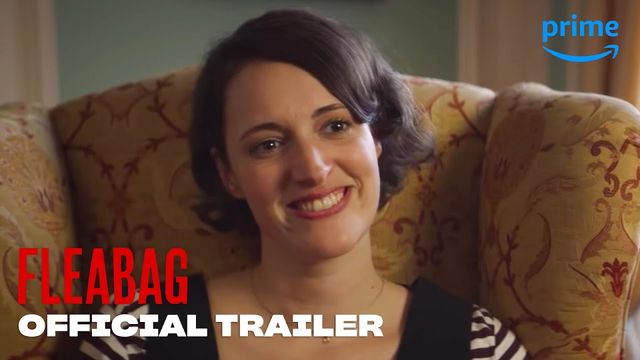
Taylor was inspired by the clean comics of her childhood and by Fleabag, where grief sits right next to the incredibly funny.
Read the chapter- In her religious family they listened to Brian Regan and Kathleen Madigan, who toured theaters without a hit sitcom.
- Fleabag, Taylor says, has grief, trauma and self-loathing and is incredibly funny at the same time; in her view, nobody has broken the fourth wall as well since.
Ann Patchett's confessions in the essay The Getaway Car help Taylor keep going with her projects.
Read the chapter- Putting an idea on the page, Patchett writes, kills it, like a butterfly you have to kill to pin it down.
- Patchett admits she's always disappointed by her own talent, and Taylor reasons that if even she feels that way, it's okay to doubt yourself and keep going.
Quotes
On testing a personal subject on the crowd
“And a lot of times if people laugh, I know that they're also going through it. If it doesn't work, I know that it's just me, and that sucks. And then we take that to therapy.”
Taylor TomlinsonRead from 03:09On why she can't play the villain
“I have a really just like round face, kind of like nice Midwestern daughter vibe, even though I'm from California.”
Taylor TomlinsonRead from 06:34On what she loves about stand-up
“I think what I love most about it is I love that you can write something at four o'clock, and at eight o'clock you find out if it's good or not. Like, I like the immediate gratification of it.”
Taylor TomlinsonRead from 13:06On Anne Lamott and perfectionism
“But you are going to die. And everybody else who, like, wasn't as obsessed with perfection as you is going to die too, but they had more fun than you.”
Taylor TomlinsonRead from 20:52On why self-deprecation is risky for a comic
“Because people are paying to watch you, and people like your stuff because they relate to you. And so if you shit on yourself too much, you're kind of, like, in a roundabout way insulting your audience as well.”
Taylor TomlinsonRead from 24:27On joking about your own trauma
“I think audiences can tell when you are not over something. I think that sometimes I've brought things on stage and I go, ‘I'm totally healed, I'm good.’ And the audience's reaction tells me something different, where I go, ‘Oh, I guess I'm not. I guess I'm not okay.’”
Taylor TomlinsonRead from 26:54On what stayed out of her book
“There are good things that I didn't put in the book, because I was like, ‘I don't want a bunch of strangers to know that about me. I don't need anyone with 20 bucks to have access to that part of me.’”
Taylor TomlinsonRead from 42:30On Ann Patchett's image from The Getaway Car
“She, like, talks about her ideas being a butterfly, and she has to kill her friend in order to get it down on the page, in the same way you have to, like, kill a butterfly to pin it down.”
Taylor TomlinsonRead from 52:16
Summary
Taylor Tomlinson, a stand-up comedian with four Netflix specials and the author of the essay collection Actually, Nevermind, walks David Perell through how she works. She can't find jokes by winging it on stage: she sits down with a notebook and lists subjects she could talk about for a couple of years, which is how long it takes to build an hour worth recording. The richest subjects are the ones she hasn't figured out herself, like whether she wants kids. She starts from the personal and lets the audience tell her how universal it is: if they laugh, it isn't just her. It also matters to know how the room sees you: with a round face and a "nice Midwestern daughter vibe," you can't pull off the villain.
On stage, the first minutes are about convincing the crowd she isn't on autopilot, and her crowd work follows a plan: a question every 15 to 20 minutes. She records every show and listens back on walks, hunting for real laughs: applause of agreement and woos mean the point is good but not yet funny. A joke starts from one or two anchor punchlines, and tags, the lucky ad-libs and lines suggested by her comedian friends Sophie Buddle and Dustin Nickerson, can grow into a whole bit. Clips sell tickets, but the hour comes first.
On the book and on herself: stand-up needs a laugh every 20 seconds, while a book lets her be witty one moment and earnest the next, for a reader alone with the page. The first draft came only in the mornings, and the stage taught her to cut. Tearing herself down used to wound the young women who saw themselves in her, so now she balances self-deprecation with confidence; that is how the six-minute run about her mom's death in Look at You came to work. Being honest doesn't mean telling everything. What keeps her going are the confessions of the greats: Anne Lamott on perfectionism in Bird by Bird, and Ann Patchett's image of an idea as a butterfly you have to kill to pin to the page.
Mentioned
- Actually, Nevermind00:00Taylor Tomlinson's first book
 Netflix00:00Taylor has four stand-up specials on Netflix
 Judy Carter01:51the advice to write down everything that makes you angry
- The Comedy Bible: From Stand-up to Sitcom01:51Taylor Tomlinson recalls Judy Carter’s advice to look for jokes in things that make you angry or strike you as unfair.
Show 20 more mentionsShow fewer mentions
 Dustin Nickerson04:38the friend in the joke about the baby on the plane; tours with Taylor
 Mitch Hedberg11:44the comic who strung together standalone jokes with no transitions
 Tina Fey15:32a memoir packed with jokes
 Mindy Kaling15:43her books
 Amy Poehler15:43a memoir in which she writes how hard the book was to write
 Anne Lamott20:40her books on writing
- Bird by Bird: Some Instructions on Writing and Life20:40the best book on writing; the passage on perfectionism
- Taylor Tomlinson: Look at You27:57her second special, with the six-minute run about her mom's death
 Hasan Minhaj29:54a studio with no phone and no Wi-Fi
 TikTok33:59clips after her first special
- AirPods36:19nothing playing in them: easier to eavesdrop in a bookstore
 Ed Sheeran44:08writing as a faucet running dirty water
 WHOOP46:19the band from the comparison of writing to running: it won't help if you don't put in the steps
 Sophie Buddle47:10best friend, head monologue writer on Taylor's show
 Brian Regan50:02a clean comic Taylor listened to as a teenager
 Kathleen Madigan50:02a clean comic Taylor listened to as a teenager
- Fleabag50:37a funny show about grief and self-loathing
 Ann Patchett52:09admits she's disappointed by her own talent
- The Getaway Car: A Practical Memoir About Writing and Life52:09an idea as a butterfly you have to kill
 Substack52:16Taylor recently started a newsletter and wrote about Patchett's essay there
Sponsors of the episode
 Alpha School14:12a private school where kids finish the academic curriculum in two hours a day
Transcript
01What writers can learn from stand-ups
Perell argues that anyone who writes can learn from stand-up comedians: they do the same work, but get feedback right away.
Taylor Tomlinson is on the show, who's one of the world's top comedians with multiple Netflix specials1Special — a filmed stand-up show about an hour long, released on a streaming service or TV channel. For a comic it caps several years of work on the material. and also a book called Actually, Nevermind.2Actually, Nevermind — Taylor Tomlinson's first book, a collection of humorous autobiographical essays, published in September 2026 by Gallery Books (Simon & Schuster). Now, I love having stand-up comedians on the show because there's such a purity to their creative process. No matter what kind of writing you do, you can learn from stand-up comedians. Because what are they doing? Like any kind of writing, they're going out in the world, they're looking for ideas, they're writing down the good stuff.
But the difference is they immediately have to go and perform. They're getting instant feedback. They go to the club, and if the joke works, they say, “Wow, okay, I'm gonna go refine that. I'm gonna go improve it, make it better.” And if it flops, they're like, “Uh-oh, there's nothing there.” They go whoop, they put it right under the covers. They never talk about it again.
But the thing that they know is how quantity leads to quality. So here's my conversation with Taylor Tomlinson.
02A notebook and two years of topics
Taylor writes jokes at a notebook, not on stage, and her best subjects are the ones she hasn't figured out herself.
Where I want to start is the process for you of writing jokes. Because I feel like comedy is this thing where you're watching people do stand-up and there's this art of having it feel loose enough that it feels natural, but also tight enough that it's got a good joke, the word choice is right.
ExplainerHow a stand-up hour is born
A comedian builds each new hour from scratch: once a special is taped, its material is usually retired, since everyone can now watch it on streaming. Individual jokes are worked out in short club sets, grouped into bits, the bits into a show, and the show goes on tour, revised from night to night using recordings.
When the hour is ready, it is taped in a theater: Look at You at the Wilbur Theatre in Boston, Have It All in Washington, D.C., at the end of November 2023, Prodigal Daughter on December 13, 2025, at Fountain Street Church in Grand Rapids. In 2023, the year Have It All was taped, Taylor played 132 shows, more than anyone else among the year's ten highest-grossing touring comedians.
Hence her rhythm: her Netflix specials come out every two years, in 2020, 2022, 2024 and 2026. In American stand-up, the habit of throwing out old material every year or two and starting over is associated with George Carlin, who made 14 specials for HBO.
Yeah, I mean, my personal process — I'm not somebody who could just go on stage with like a vague thought and find it. Like, there are people who do that, who like write on stage.3Writing on stage — going up with a half-formed thought and finishing the joke by improvising in front of the audience, mid-set. I need like a notebook and some free time and a day free of like expectations of me to sit down and write out subjects I want to talk about that I think I could talk about for a couple of years, because that's how long it takes to get an hour together4An hour — comedians' shorthand for a full set of new material about an hour long: it gets toured and then filmed as a special. that's worth recording. And then I just kind of work off of whatever subjects I find most interesting at that time. A lot of times it's subjects that I'm not sure how I feel. Like, I've written a lot of jokes about having kids, because I'm not sure how I feel about that right now.
And I go back and forth on whether or not I want them. So that feels like a very rich area for jokes. It's like some of the oldest advice about joke writing — I think it's from, like, Judy Carter's Comedy Bible books,5The Comedy Bible: From Stand-up to Sitcom (2001) — Judy Carter's guide to writing comedy; she had earlier written Stand-Up Comedy: The Book (1989). Wikipedia. too — of like, just write down things that you have strong feelings about. Like, write down everything that makes you angry, everything that you think is stupid, everything that you think is unfair. And whatever you have really strong emotions around is usually pretty fertile ground for lots of material, is what I've found.
Tell me about going broad versus personal and kind of the ebb and flow between those. You know, like, I feel like you started off broad, then you go personal, broad, personal.
Yeah, that's a great question. Yeah, I think with my specials,6Taylor Tomlinson's Netflix specials: Quarter-Life Crisis (2020), Look at You (2022), Have It All (2024) and Prodigal Daughter (2026). the first one was broader, the second one was more specific, the third one was broader again, the fourth one was more specific. And then this one I'm working on now again is — I like to swing back and forth. So thank you for noticing that. But I think I always start specific, and then I sort of try to find what specific things about me or about my life or about my feelings — where do I see those overlapping with, like, my friends, my family?
Because, like, going on stage and talking about something that nobody else relates to, sometimes that'll work, but a lot of times it doesn't. So I kind of work backwards, I think, actually. I will talk about something that I'm feeling or I'm going through. And a lot of times if people laugh, I know that they're also going through it. If it doesn't work, I know that it's just me, and that sucks. And then we take that to therapy.
But I'm working on bits7Bit — a self-contained chunk of a set on one subject, usually several connected jokes. sometimes. If we've got like 10 minutes left and I feel like we've gotten through a lot of stuff, I'm like, “You know what? Let's try some tags.”8Tag — stand-up jargon for an extra punchline added to a joke that has already landed, with no new setup. I think that if you find something that's specific about you, more oftentimes than not, it is more universal than you think. But figuring out how to present it on stage as a premise9Premise — the starting idea or observation a joke is built on: what it's about and what's odd about it. The premise is followed by the setup and the punchline. — I do think it is important to find a way to present it in such a way that is not like, “This is just my observation, this is just my experience.” If there's a way that you can go without, you know, overgeneralizing — which sounds completely contradictory, but—
03The laughing baby and likability
A joke travels from a note on her phone to the stage, and which jokes land depends on how the room sees the comic.
But so tell me more about the specific. Like, where a moment happens, some observation, and you're like, “Okay, I just saw this, there's this thing that's bothering me that I just think is hilarious in some way or another.” And it's like, you're saying, “I'm gonna write it down so I have some ideas of what I'm gonna say.” And then how does that become an actual joke of like, now I'm seeing it at the Comedy Cellar or the Stand10The Comedy Cellar and The Stand — comedy clubs in New York City. The Comedy Cellar in Manhattan is sometimes called the Harvard of comedy clubs. or something like that?
Okay, so a joke I have right now in my act is that I was on a plane and I texted my buddy Dustin,11Dustin Nickerson — an American stand-up comedian and a close friend of Taylor's who tours with her as an opener. His first special was Overwhelmed (2020). and I said, “There's a really loud baby on my plane.” And he was like, “Oh no.” He's a dad. He's like, “Is he screaming and crying?” And I went, “No, it's laughing.” And he goes, “That's not—” I go, “That's the same. It's just as loud. And actually nobody's trying to stop the laughing.
So it's kind of worse in a way.” And that was something that I wrote down, like, in a phone note, that I then worked on in a notebook and then took it on stage. And that was a joke that I was like, I have no idea if this is gonna work, because it's not super likable to be like shitting on the laughter of a child on a plane. But surprisingly it does work, because I think it does surprise people. And I do think some people go, “Oh my God, that's kind of true, actually,” as opposed to like maybe, “Oh my God, I feel that exact way,” which is a different type of laughter. But the one that I feel that joke gets is more so like, “I never thought of it like that,” or like, “That is pretty crazy that you think that's just as bad, or that bothers you just as much.”
Why is likable important?
Some people have like that persona12Persona — the character a comic plays on stage, which can be very different from the real person. The "piece of shit" persona belongs to a comic who happily presents himself as the worst person in the room. where they are unlikable, but I still think people with unlikable personas — I think they're still likable on some level. Like, some people can get away with that sort of like character on stage of like, “I'm a piece of shit.” I can't get away with it, personally. So anytime I have a joke that's kind of like on the edge — and I do have a lot of them, I have plenty of jokes where I'm like admitting something about myself that is not super attractive — but for me at least, I do have to kind of worry about likability a bit, I think. Because I think if you go too far and people start hating you, and you're not fun to hate — some people are, like, fun to hate.
Some people are serving as sort of like avatars for everybody else's bad thoughts and negative impulses. And like, I don't really have that vibe. I have a really just like round face, kind of like nice Midwestern13The Midwest — the central region of the US (Ohio, Michigan, Illinois, Minnesota, Iowa and other states), stereotyped as home to polite, unpretentious, friendly people. Taylor herself grew up in Temecula, in Southern California. daughter vibe, even though I'm from California. I think you gotta know how you're perceived by people. I think that's a really important part of comedy, is like figuring out what people see when you walk on stage, so that you know which jokes are gonna work best for you. I mean, ultimately you can do whatever jokes you want and whatever you can get working, but like, I know people who will — and I've done this too — where I've thought of a joke and I tell a friend, like, “You should try this, because I can't do it.
Like, I can't pull that off. But I think you could.” And I've had friends do that to me as well.
04Opening a show and talking to the crowd
From the first minutes Taylor works to make the audience feel safe, and even her crowd work follows a plan.
How much of the beginning of a comedy set do you feel like you're almost setting the setting, or setting the rules for what's going on? I'll give you an analogy. So, like, if you watch a movie, the first 30 minutes is setting up the scene: “Hey, these are the characters who are important. This is gonna be kind of the vibe and the tenor of the movie. These are some things that I'm setting up now, so I'm gonna get a payoff later on.”
When you're doing comedy, how do you think about the sequencing of your specials, and what the job of, like, the first 10 minutes of a special is?
That's a great question. I think the first five minutes are really important. I think the first, like, 60 seconds are really important. I think what generally ends up in a special — the beginning has probably been edited down, in my case, because people clap longer than is fun to watch when you start a special. So while maybe in the room at a live show, it feels great to go, “Thank you so much. Oh my God, so good to be here,” in this specific city, and then make like some local references and local jokes —
That's not gonna work in a special. So it's different, obviously, if you're filming it. If you're not filming it, if I can talk about the city I'm in and, like, put us all in the room and make us all feel like, “Hey, like, I know I'm doing a show that I do on tour, and most of it is going to be the same as the show I do tomorrow in Raleigh, North Carolina, but tonight I'm here, I'm only gonna say this to you.” And it's the same reason I like crowd work14Crowd work — a comic talking with the audience: questions, answers and improvising on them, with or without prepared lines. and I like to talk to the audience a little bit pretty quickly, like in the first 15 minutes, because I want people to leave my live shows feeling like they saw something that only they're going to see. Even if, again, the bulk of it is what's going to end up in a special.
I think having like a moment up top of recognition of like, “I see you guys, I know where we are, I know where I am, I'm not on autopilot” goes a really long way.
Some of the funniest bits I've seen from you are the crowd work bits, where like something happens and then it just kind of unfolds. How much of that is like a child of what you've written, versus just like, “I'm live, I'm switched on, and I know how to steer the conversation towards something funny”?
Well, it really depends. I mean, I personally — I like to do crowd work at my live shows, but I do it in a very structured way, which is I usually sprinkle it throughout the show every, like, 15 to 20 minutes. I ask the audience a specific question that is related to the hour. So it's generally something that I do want to know. Like, I think that's kind of the key to crowd work. Like, if you don't want to do it and you don't like it, you shouldn't be doing it.
But if you do like it — like, there are so many different ways to do crowd work and engage with the crowd. And I have a lot of people who come to my shows who are a lot like me, who don't want to talk to me at all. And I would never speak to a live entertainer in front of that many people. That's insane. I can't believe anybody ever talks to me. Or like — sounds horrible. No. To, like, yell out your secrets in front of 3,000 people, it's insane.
So anytime it, like, starts to go sideways or weird — like, I try to be pretty friendly and open, and like, if it goes weird, I'll deflect, or like, I'll make it about me, or like — I never want anyone to feel bad or like they regret talking to me. And I also don't want to encourage people to heckle or, like, scream out or, like, disrupt the show. So the way I do it is I go, I know there's some people in here who probably want to talk, and I do enjoy it and I want to talk to people. How can I do that in a way that feels, like, safe, and like the show's not gonna get away from all of us, but like we could still have a genuine moment? And if, like, nothing funny happens — like, for every crowd work moment I've posted, there's been 20 that were just like, “Oh, cool, okay.
And you got married for how long? All right, great.” And then you just move on. Like, the way I like to do it is I like to ask a question, find someone who wants to interact with me. Sometimes it goes somewhere, sometimes it doesn't. It's why I'm so meticulous about writing out my set15Set — a comic's whole performance and the order of bits in it; the list of bits a comic keeps in view is the set list. and, like, having clear transitions, so that I can get back into the hour really seamlessly and so I don't get lost. Because I don't really know how people write individual jokes and then just, like, order them.
Like Mitch Hedberg.16Mitch Hedberg (1968–2005) — an American comedian known for short, often one-line jokes with an absurd streak. Wikipedia.
Yeah, I can't do that. Oh my God. I really don't know how anyone does that without, like, a set list or anything. I need to have, like, topics that flow together so that I can remember all of it, and so that people hopefully feel like I know what I'm doing. I think that's another — to your point about, like, sort of setting the table of a show — I think making people feel comfortable immediately is really important, and is something that I had to learn really early, because I started when I was so young.17So young — Taylor started performing at 16, when her father signed them both up for a stand-up class. Her first gigs were in church basements, schools and coffee shops. Wikipedia.
And when you go on stage in high school, everybody's nervous, because you're a child, and they should be nervous. You shouldn't be up there. So I had to, like, really early on be like, you gotta move the mic stand confidently. Like, you need to put yourself together. You can't go up in, like, sweatpants. Like, you need to look like someone who knows what they're doing and is a professional.
I think just, like, making everyone feel at ease, and like you're not going to shit on anybody for participating, you're not going to let the show go off the rails, and you're not going to make anybody nervous by, like, melting down or being bad at your job.
05Write it at four, find out at eight
Taylor loves stand-up for its instant feedback, while the book taught her to wait, and the hardest part was letting it go.
What is the thing that you love about stand-up? Is it nailing the joke? Is it hearing laughs? Like, there's so much validation that comes from that. What is it? Like, what is the thing that you're like, “Yes, I live for this. I'm married to the game”?
I think what I love most about it is I love that you can write something at four o'clock, and at eight o'clock you find out if it's good or not. Like, I like the immediate gratification of it. I also really liked writing the book and being, like, in a blanket for months and months going, “We'll find out if this sucks in two years.” Like, I liked that too — very different. But I really like how quickly you can work writing jokes if you're willing to get on stage a lot. And I just love that moment of, like, you wrote something down, you think it's funny, you don't know if it's going to work, but you know it's funny to you, and you know it's something that's true to you, and getting a big pop18Pop — comedians' word for a big laugh or burst of applause that erupts all at once. off of that.
Think of how good it feels when you say something to a friend and you're like, “Can I just say one thing?” And they go, “Yeah, go ahead.” And you go, “I think that this person kind of sucks.” And they go, “I think that person kind of sucks.” You go, “Oh my God, I know.” That's how it feels when the whole audience laughs at something — a thought you had that isn't, like, maybe the nicest, kindest, most refined thought you've ever had. You know what I mean? Right? Yeah.
AdAlpha School
This episode is sponsored by Alpha School.aAlpha School — a chain of private schools from Austin, Texas: kids cover the core curriculum in about two hours a day using adaptive learning software and spend the rest of the time on projects. Tuition mostly runs from $40,000 to $65,000 a year. When you think of school, what comes to mind? For me, it was lectures, homework, being stuck at a desk. And the worst part is that it doesn't even work. 54% of Americans read below a sixth-grade level. That's over half of Americans.
We need something new. And that's why I'm excited to have Alpha School as the flagship sponsor of How I Write. At Alpha, you go to school, you get all your academics done in only two hours per day, so that then you could spend the rest of the time learning life skills, like running a business, writing a musical, giving a TEDx talk.bTEDx — local conferences that independent organizers run under a license from TED, with short talks in its format. You know, the kind of things that make you a capable and well-rounded person. And it's working. They have the academics figured out.
Alpha classes test in the top 1% nationally, and more than 90% of students say they love school. Now, I used to live in Austin, where Alpha School started, and I was consistently blown away by what was happening there. I personally mentored a bunch of the kids, and what stuck out to me is how much their team believes in the potential of kids. Alpha's approach and the success it's already having is why it's the most talked-about K–12 school in the world right now, and also where I want to send my kids to school one day. So if you want to learn more, visit go.alpha.school/howiwrite.
What have you taken from the memoirs of comedians like Tina Fey19Tina Fey (born 1970) — American comic actress and writer: former head writer of Saturday Night Live and creator of 30 Rock. — different memoirs that you've read — to look at, I don't know, how comedians have lived their lives?
I feel like Tina Fey's memoir and Mindy Kaling's books,20Mindy Kaling (born 1979) — American actress and writer, known for The Office and The Mindy Project. like, are very, very joke-dense. Like, they're super bit-heavy.21Tina Fey's memoir is Bossypants (2011); Mindy Kaling's books are Is Everyone Hanging Out Without Me? (2011) and Why Not Me? (2015); Amy Poehler's memoir is Yes Please (2014). And I remember when I read Amy Poehler's22Amy Poehler (born 1971) — American comic actress: Saturday Night Live, Parks and Recreation. — it's also got tons of jokes in it, but it was a little more earnest, which I remember at the time really resonated with me. And I love all of these books equally, but I think Amy Poehler's came out a few years after those two. I think it's in her introduction — she talks about how hard it was to write that book, and how she, like, fit it in between filming and travel and kids and all this different stuff.
And I remember thinking, like, okay, if and when I ever write a book, it's gonna be really, really hard, and I need to just know that. When I was pitching this book23Pitching a book — in American publishing a nonfiction book is usually sold before it is written: the author, typically through a literary agent, sends publishers a proposal with an outline and sample chapters. and we were talking to publishers and I was working with my editor, I remember kind of at every stage of the process, people kept saying to me, like, “You know, writing a book, it's a lot of work. It's really hard. It's a lot of work.” And I don't blame them, because I'm a comedian.
So of course I'm sure they were like, “Is the clown really gonna write the book? Does the clown know she has to do the homework?” So I was like, “Hey, I want you guys to know, I don't expect this to be super fun all the time. I know it's gonna be tough. I still really want to do it. It's like a childhood dream of mine.
Nobody has to be worried.” And I also think because I read her book, I was so prepared for it to be so painful that I was pleasantly surprised. Which is how I try to approach everything in life: just, like, expect the absolute worst, and then be pleasantly surprised when it's not quite as bad. Because of course there were moments that were, like, so difficult about writing it, but I think overall I really enjoyed the process. The hardest part was honestly just being done with it and having to sit and wait for it to come out, and, like, knowing I couldn't make any more changes to it. It has to be done at some point, right? And that's how stand-up is too.
I mean, stand-up specials — I feel that way every single time. Like, I'm like, “This is what I have right now.” And if you keep tinkering with it, at a certain point you'll start messing with it and doubting yourself and making it worse. And so you have to, like, hopefully hit that sweet spot where you've got it, like, totally super tight and honed, but you're not, like, bored, and it's not stale.
06Funny on stage, funny on the page
On the page, humor can take its time: a book doesn't need a laugh on every page, because the reader is alone with it.
In what ways can you be funny in a book that you can't be funny in stand-up? And in what ways can you be funny in stand-up that you can't be funny in a book?
Well, you can't really do any act-outs24Act-out — a part of a bit where the comic plays out a character or situation with voice, face and body. in a book. I mean, the audiobook a little, I guess, but you're not going to coast by on a funny face in a book. There are things in my act that are purely physical — not very often, but every once in a while you're like, “Well, this is just, like, a silly movement. This isn't really that great a line.” But with the book, like, yeah, you can be a lot wordier in a book. Like, with stand-up, I'm always trying to get the most ideas into the least amount of words.
And so with a book, to go from this sort of like, “Okay, you need to get this sentence as short as possible,” to, “No, expand on that and actually tell us every feeling you have about that subject” — it definitely took me a minute. Because I was great at the editing part of the book. The editing part, I was like, “Cut half of that,” and my editor's like, “No, no, no, that's the whole chapter.” And I'm like, “I'm just saying I don't think we need it.” Like, I'm very good at editing because of stand-up, because I'm always trying to cut it down and get things shorter.
And then with being funny in a book, what do you think that you're able to do that stand-up doesn't give you?
You're allowed to take your time a bit more. With stand-up, it's like you need to be getting a laugh every 20 seconds. And with a book, you can be, like, witty for a little while, and then earnest for a little while, and then funny for a little while. But, like, stand-up, you need to be funny the whole time. There's no, like, “Oh, that was kind of clever.” Like, no, you have to be funny.
People have to be laughing. They can't just be like, “Hm, hm.” And with a book, you can sort of — like, you don't need people to be physically doubled over laughing at every point. Like, I don't usually laugh out loud at books that I think are very funny, because it's just not that type of experience. Someone's having a private experience with it, as opposed to, like, watching a special with their friends, or, like, going to a live show with their family or, like, their date. So I just think it's, like, a totally different audience that you are writing for.
You're writing for somebody who's alone in bed, or in their car, or, you know, on the train or whatever, as opposed to, like, hearing something that you're probably consuming, like, in a group, in a theater or a club or something.
07Bird by Bird and every writer's fear
What helped Taylor most in books about writing were authors admitting how scary it is to put work out.
I saw that stack of books that you had — that just insane stack of Bird by Bird25Bird by Bird (1994) — Anne Lamott's book about writing and life. The title comes from her father's advice to her brother, who, the night before it was due, couldn't get started on a school report about birds: "Just take it bird by bird." and good writing by Anne Lamott.26Anne Lamott (born 1954) — American writer from San Francisco, author of novels and autobiographical essays about alcoholism and sobriety, faith and single motherhood. What did you take from those books, and what are the best ones? What are the best books of writing advice?
I mean, Bird by Bird is the best one. I mean, it's the one that I've gone back to the most, because the part of that book where she talks about how perfectionism makes you think that if you're perfect, you're never going to have to die — but you are going to die. And everybody else who, like, wasn't as obsessed with perfection as you is going to die too, but they had more fun than you.27Perfectionism, Lamott writes in Bird by Bird, rests on the obsessive belief that if you run carefully enough, hitting each stepping-stone just right, you won't have to die. But you will die anyway, and many people who don't even look at their feet will do a lot better than you and have a lot more fun along the way. I swear to God, I think about that every single day of my life. And that's just, like, good life advice. It goes beyond writing.
So I think that's, like, hands down the best one. And it's the one that I read in high school. I mean, it's the one that, you know, you go online, if you look up books about writing, that's the first book that comes up, right? Like, every single time. I think the thing that's helped me the most by having all of those books — because I have not read all of them — is just reading about other writers talking about how hard it is for them to write, and how hard it is to publish their work and be perceived and have other people, like, consume what they've written. Because, I mean, I don't know how anyone puts anything out without having someone else as an example admitting, like, “You know, I feel scared and bad every single time.” Like, I'm never like, “And that's great, and that's perfect.”
Like, the fact that every single writer across the board seems to say, like, “Yeah, no, I always think it's garbage, and I just put it out anyway, and I hope for the best, and I'm always getting better.” And, you know, you just kind of live with that fear. It's like how people talk about having kids, where they're like, “Yeah, no, you're terrified all the time, and you just live with it.” And you're like, “Oh, okay. Well, if it never goes away, then maybe I'm not a total fraud,” or like — you know what I mean? So I don't know, that's the thing that's been most helpful for me.
08Self-deprecation and the jokes about her mom
Feedback from young women in the audience made Taylor balance her jokes about herself, and the run about her mother's death worked once she was in a better place.
What did you need to learn about how to be a better comedian through the course of your career? Like, what do you think that you didn't understand early in your career?
When I first started doing stand-up, I was really self-deprecating on stage, to, like, an unhealthy degree. And at a certain point, probably around 21, 22, I was headlining28Headliner — the main comic of the night, who goes on last and does the longest set, about an hour. Before the headliner come the host (or MC), the opener and the feature act. Wikipedia. on the road a little bit more and kind of starting to get into, like, doing five hours a weekend29Five hours a weekend — five hour-long shows in one weekend: how a headliner works at an American comedy club, where a lineup runs several nights in a row, sometimes two shows a night. territory by myself. And I had girls coming up to me after shows, repeating back to me negative things I said about myself — whether it was my appearance or my relationship status or whatever, my personality. And they would say something like, “Well, if you're annoying or ugly or whatever, then what am I?” Like, there were women who were kind of, like, seeing themselves in me, that were going, “Oh, we would be friends,” or, “We have a lot in common,” for the first 25 minutes of my set, and then I go on a long rant about how I'm trash.
And then that feels bad to the people in the audience. So I think, actually, an important thing I learned that really changed the way I write about myself especially is, like, shitting on yourself on stage. I mean, it's a delicate balance to strike, right? Because people are paying to watch you, and people like your stuff because they relate to you. And so if you shit on yourself too much, you're kind of, like, in a roundabout way insulting your audience as well. That's not how you keep an audience.
Like, nobody wants to go watch somebody who is just talking about how insecure they are, as well. So — and I think it's kind of funny to swing between overconfident and self-loathing on stage. And then you sort of, like, even out somewhere in the middle, which is, I think, what I do now: if I do a really self-deprecating joke about myself now, I then try to balance it by going, “And by the way, I know that I'm not entirely XYZ. I also have this going for me,” or, “Here are the ways I'm better,” you know what I mean? Like, I'm trying to write jokes right now about being an older sister, because I have three younger siblings, and I'm trying to strike that balance of, like, I'm the older sister, so I take care of shit and I'm always right.
And also I'm really annoying and overbearing, and that sucks. And so I think you just have to, like — it's similar to knowing how you're perceived on stage and how people are receiving you and relating to you. There's a responsibility in how you talk about yourself and how that's then, like, metabolized by your audience. So I think that was a big — like, that was a big moment for me, and something that changed the way I approach joke writing.
One thing that really stuck out was, obviously, you've had a lot of jokes about difficult things that have happened in your life. But then there's a level where you do that and all of a sudden it's like, “Okay, why is this girl doing therapy on stage?”
Right, right, right, right.
And so how do you write jokes that's, like, not therapy — “Why are you just spewing your dirty laundry here?” — versus, on the other side, like, “Wow, this — Taylor's really being real and open about some of the things that she's gone through. And kudos to her for finding the humor. And, like, I lost my mom too when I was a kid,” or something like that. And now we relate and connect.
I think audiences can tell when you are not over something. I think that sometimes I've brought things on stage and I go, “I'm totally healed, I'm good.” And the audience's reaction tells me something different, where I go, “Oh, I guess I'm not. I guess I'm not okay.” And sometimes they know before I do. I'll think that I'm totally fine.
I mean, some of those jokes I did in my second special about losing my mom young,30Taylor Tomlinson's mother died of cancer in August 2002, when Taylor was eight. Wikipedia. I had been doing for years, and they worked sometimes and then other times they didn't work. Not much about a few of those lines changed over the years, but they started working better once I was in a better place with it, and once I had gone to a lot of therapy and I had worked on it. So I think people can sense when you are in a healthy place with something, as opposed to when you're just going up there and kind of, like, melting down. You know what I mean? Like, people know when you're in control of the ship and when you're not.
Can you walk me through how a joke that you love has changed? Maybe it's a word, maybe it's the setup, maybe it's a sentence.

I mean, the jokes about losing my mom in Look at You.31Look at You (2022) — Taylor's second Netflix special. In it she talks about her mother's death and about being diagnosed with bipolar disorder.
And that was your second special.
That was my second special. There's a whole section that started as probably, like, I don't know, 60 seconds of jokes about losing a parent young, that then grew and grew and grew. And part of what helped that whole chunk to work — which ended up being, like, a six-minute chunk — what helped that work is towards the beginning, after the first few initial jokes, I sat down and I was like, “Here's what's going to happen, everybody. We're going to talk about this for a minute. And just so you know, I'm fine. Like, look how successful I am.” Which is not something I could have done in my first special.
I couldn't have done that when I was a younger comic, because I wasn't successful yet. But once I was successful, nobody's worried about me. And now they can see the humor in the jokes I've written, because it's not being ruined by them — crazy thing to say, but it kind of works. Well, yeah, I think it's really funny to be overly confident and say the thing that you're not supposed to say, which is like, “Hey, I made it. So it's okay. Like, maybe it's fine.”
And it was, like, also a real — it's, like, the root of a real feeling I had, which is like, yes, you lost a parent really young, but who are you to complain? You're still privileged in so many ways. You know what I mean? So it is coming from a more somber feeling inside of me. But I do think it's funny when people are like, “I'm doing pretty good in this area. Yeah, over here, that sucks.”
But again, to swing between, like, self-pity and just, like, insane confidence, I think is very funny. And it completely helped, and made the whole bit, like, one of my strongest chunks of material ever, because I was just addressing the tension in the room, that then allowed everybody to loosen up and laugh for the rest of the five minutes.
09Where and when to write
Taylor needs people around her to write jokes, but the book took a shut door and morning hours.
How do you just carve out the space to actually write and do the work? I was talking to a friend who went to Hasan Minhaj's studio32Hasan Minhaj (born 1985) — American comedian and former Daily Show correspondent; from 2018 to 2020 he hosted Patriot Act with Hasan Minhaj on Netflix. — I'm hearing this secondhand, so I'm not sure that all the details are right — but he basically said, “What I do: I go in there, no phone in my office, no Wi-Fi.
My whole team knows that when I go there, I print money. Like, that room is where the money is made. It's not the other stuff. Like, that room is where it begins.” And my sense — the takeaway that I got — was he just has to be in that room and cultivate the space, the time to be there and do good work.
Yeah, I mean, that was another way that the book was totally different than stand-up. Because when I need time and space to work on stand-up, I need to go to, like, a coffee shop or a cafe or, like, somewhere in public that I can, like, people-watch, and I have sort of like — yeah, like, I can't write jokes silently at my desk in my apartment. Like, that's never worked for me. I need to be, like, out. I need to be in a place that I can walk around and, you know, listen to my sets and try to tag things I've already written, and then hopefully try them out on stage that night or that week. But with the book, it was like: go to my office, like, shut the door, turn off my Wi-Fi. That's how I felt about the book.
I was like, “Everyone needs to leave me alone, because I have to focus on this.” But I was surprised, because it was such a different process than stand-up. I kind of went into it going, “Well, I know how I'm gonna write this, because I've been writing jokes, and it's pretty much the same.” But even, like, the window of the day that I was the most productive—
Time shifted earlier, yeah.
ExplainerShort assignments and shitty first drafts
The best-known chapters of Bird by Bird are about how to start writing at all.
- Short assignments. Lamott keeps an empty one-inch picture frame on her desk. It reminds her that today she only has to write what she can see through that frame: one paragraph, one scene, not the whole book.
- Shitty first drafts. All good writers write them; that is how they end up with good second drafts and terrific third drafts. The first draft is the child's draft: you can pour everything out, nobody will see it, and the good parts can be found later.
- Perfectionism is "the voice of the oppressor, the enemy of the people" and the main obstacle between you and a shitty first draft. Hence the line Taylor quotes: perfectionists are going to die anyway, they just have less fun along the way.
Exactly. Like, the book, I was like, “Oh, I have to wake up at nine, because I work best between, like, 9:30 and 4:30.”
Like a normal human being.
Yes. And it's like, if I'm writing stand-up, it's like I'll have the slowest morning imaginable, and I'll start writing at, like, three, and then I can write until the evening. And it was like — I don't know what it was, but when I was working on the book, I really couldn't work on it unless I was editing. Once I was in the editing phase, I could work into the evening. But when I was just on that, like, first draft and, like, trying to generate, I was, like, fried by, like, 4:30. It was so weird.
And I had to get started earlier.
With comedy, there's kind of this — just generally, there's this myth of the tortured artist, of, like, the artist is gonna live this crazy life and do these crazy, crazy things. “Oh yeah, like, let's rip shots, go have a bender,” because, like, that's where the good stories will come. In what ways do you think that's true? And in what ways are you like — you were talking about professionalism earlier — you're like, “No, you gotta be a professional, this is a business”?
I mean, look, I've never been someone who can get super drunk and party. Like, I'm not super fun, but I'm jealous of the people who are. Like, I'm jealous of the people who take those risks and do crazy shit, because they have awesome stories as a result of it. And those stories turn into, like, 20 minutes of a stand-up special. And so I'm very jealous in that respect. But I think that that same behavior that can get you some of those amazing stories that nobody else has can make it really difficult to do the job, which is really hard on your body: traveling that much, and staying up late, and, like, not always eating the best. You're eating, like, club food when you're younger and coming up, and, like, trying to make money and trying to save as much money as possible.
So, like, yeah, you're gonna eat chicken tenders at the club for free. Like, I don't know how anybody gets through those early years headlining when they're, like, binge drinking all weekend. I personally couldn't do it. So, you know, it's a trade-off, right? And some people are great at both. Some people can drink all weekend, have crazy stories, spend, like, Monday and Tuesday recovering, and then do it all again.
I am not one of them, but some people can.
10Clips and tapes of her sets
Clips sell tickets, but the hour comes first for Taylor, and she shapes it by listening to tapes of every show.
How much do you think of clips as you do your specials, write your jokes?
Well, now I think of them a lot. My first special, when it came out — I think I got on TikTok, like, right after it came out. I wasn't even posting clips. Like, a social media person I had was like, “We gotta post clips,” and I was like, “Okay, if you say so.” So, I mean, when I was young, it was like you wanted a late-night set.33Late-night set — a short stand-up spot on a late-night talk show like The Tonight Show; for a long time it was the big career milestone for an American comic. Taylor herself has done sets on The Tonight Show and on Conan O'Brien's show. You just wanted, like, a YouTube video that you could point to and go, “I'm a real comedian.” The clips thing, I feel like, really started — I don't know, what, 2018, 2019, maybe?
2020, obviously, it, like, really blew up, because it was all we had. And so I think the people who were resistant to, like, clipping up stand-up before COVID, afterward realized, “Hey, this is kind of just how the internet is now, and this is how we sell tickets.” And, like, I'll do shows in clubs when I'm working stuff out where I go, “I'm just gonna see what happens tonight. Like, I'm gonna do more crowd work on this one.” I'm feeling that way. And then the next night I may not want to, and I may just want to work on material.
So I just go off of how I feel about it, because if I force it, I never get anything. You know, like, you can't really go, like, “I'm gonna get a bunch of crowd work clips tonight.” It's like, it either happens or it doesn't. The thing is, now you kind of have to film everything, though, in case something happens, which is exhausting and annoying. And I do miss, like, back in the day when you, like, didn't have to think about it at all. But I'm also so grateful to be a stand-up in a time where you have the internet, and you can grow your audience and find an audience that's so specific to you. I am thinking about it, but I'm prioritizing the hour, always.
You were talking earlier about writing at coffee shops, restaurants, whatever it is, so that you can people-watch. Tell me about that — like, how you go from looking at people to then getting something into your joke.
Well, I mean, I feel like this is so common with, like, comedians, writers of kind of every kind, but, like, I'm trying to eavesdrop on people, like, on planes. Like, I know — you really just have your headphones in and nothing's playing, because you're trying to get closer to people in, like, a thrift store. Yeah. So you're just trying to—
There's great content all around.
There's great content all around. So, I mean, I'll follow people around a bookstore with AirPods in, because I'm like, they don't — as long as I don't look at them, they're not gonna know. If I'm just home alone staring off into space, I just don't think of jokes that way.
I can think of other things that way. I can think of ideas for stories or whatever. I can't come up with jokes super easily if I'm just, like, alone. I can go over a set that I already have alone. I can remember my jokes if I've had, like, a couple weeks off where I didn't do the hour and I need to get back into it. That I can, like, sit down at my desk and listen to it and write it down and maybe tag some stuff here and there.
But as far as, like, “Oh, I want to, like, sit down and write jokes” — I need to be, like, out and about.
And you do the reviews of your sets how? So you film everything, and then you kind of walk around — you'll be home and you'll just be listening to yourself?
Yeah, I just do voice memos on my phone. So I don't film every show, but I record every single one, audio. So I usually listen to it on planes or, like, walking around, mostly. It's easier to listen to your set when you're walking around, as opposed to, like, sitting on a plane, just, like, going, “Wow, I really thought that joke hit harder, but I guess not.” It never sounds exactly how you think the show went, right? Like — which is why it's important to listen to your sets, because sometimes something went better than you thought, and sometimes things went not as well as you thought.
And what are the things you're listening for?
Laughs, groans, gasps, silence. I mean, just the full range of reaction, I guess, so that — the right kind of laugh. You don't want people who are just clapping, when people are clapping because they agree34Clapter (clap + laughter) — what comedians call applause from an audience that agrees with a point but doesn't laugh, because it isn't funny enough. The word was coined by comedian and host Seth Meyers. Wikipedia. with something you said, as opposed to laughing because it was funny. Like, that's something comedians talk about a lot. Or, like, getting woos instead of laughs. Like, it's okay if people are cheering while they're laughing, but if they're, like, just cheering, you kind of sometimes have to go, “Okay, I don't know about that, necessarily. That might just be a good point you made.
And it's not quite funny yet.”
So, like, a lot of different kinds of laughs, is what you're saying. And certain laughs, you're like, “That's what I'm going for,” and others you're like, “No.”
Yeah. And it's, like, how you structure your set. Especially when I'm getting to a place where I'm going to film it and put it out as an hour, I am thinking about clips, I guess, but I'm mostly thinking about it as a cohesive hour. You know, you don't want to have, like, a lull in the middle. You want every joke to be strong, but not every joke is going to murder as hard as every other joke. Like, there are some jokes that you think are really strong, but it might get, like, a slower laugh, where it takes people a minute to, like, really wrap their head around what you're saying. And that's not going to be the same as that sort of, like, machine-gun laughter you get on a bit that's just, like, bam, bam, bam, bam, bam, you know what I mean? Like, if you're gonna be up there for an hour, hour 20, it does need to kind of, like, ebb and flow, otherwise it's gonna get repetitive. And I think it's easy, even if all the jokes are really strong, for people to sort of check out, because I've been there. I've watched an hour of someone doing jokes, and at a certain point you kind of just, like, get distracted, because it's all one note, you know? I mean, that's what a good album has.
11Not telling everything
The book and the stage taught Taylor to be honest without revealing every detail.
Yes. In music, a good album has these different vibes, but there's a coherence to it. Yes. How did you go about developing your voice as a writer as you're working on the book?
I think in writing the book, I learned that there are ways to say what you want to say without sharing absolutely everything.
And I think stand-up has really helped me get there, because I think when I was younger, I would write a joke about anything, anyone. I kept nothing for myself. Everything was material to me. And luckily I've sort of outgrown that, and realized that relationships are more important than getting a clip. But I felt that way with the book too, where I was like — when I first went into it, I kind of went, “Oh my gosh, do I have enough to say? Do I have enough to write about that's interesting?”
And throughout the writing process, I was like, “Oh yeah, there's plenty of ways to say everything that you want to communicate, and say all the things that are important to you, and reveal the things that are personal to you, and say a lot about who you are and where you come from and why you are the way you are, without giving everyone every single detail.” Because especially as a comic — like, you're doing podcasts all the time, you're doing, you know, stand-up every night — like, I have spent a lot of my adult life oversharing, and I've learned how bad it feels when you say something you can't take back. And so I'm glad that I did not write this book before I reached that point in my life, because it's a lesson I have to kind of keep learning over and over.
But I feel good about where I got with this final draft.
Well, this is interesting, because I think it's really important creatively to be sincere, to be authentic, to be vulnerable. So let's put those three words out there. Let's assume that they're important.
What you're saying is that this does not mean that you need to share absolutely everything, and that you can get those three virtues without just disclosing all of these things. And I wonder if a lot of people see it as a stew, when actually you can kind of split up the dishes.
Yeah, I mean, it's similar to crowd work clips, right? Like, you can do crowd work in a city and not post it. Like, you can have a real moment with a crowd, and it doesn't have to go online. It doesn't have to be monetized. And your soul is the same way. Like, you don't have to cut yourself up into slices and figure out all the different display cases for them. Like, it is important to keep some things just for yourself, whether it's just that the memory is too painful, or too private, or even, like, too positive.
Like, there are good things that I didn't put in the book, because I was like, “I don't want a bunch of strangers to know that about me. I don't need anyone with 20 bucks to have access to that part of me.”
I'm going to read a few sentences from these pages, when you're talking about writing. I want to hear you comment on them. So the first is: “When I first started doing stand-up, it felt like I had an endless supply of premises, because I hadn't tried and failed enough to know a bad idea from a good one.”
I think that when you're first starting out, it really feels like, “Oh my God, the world is my oyster. I can write a joke about anything.” And then as you spend more time in the comedy world, you realize, like, just how many ideas have already been explored, and that you do have to work a little harder to be original. And it's why it's so important to start from a very personal place, because if you're starting from a place of “this happened to me” or “I said this” or “this was said to me,” it's not going to be as, like, derivative. But you have to know, like, what's already been done, so that you can differentiate and have your own perspective on things and put your own spin on things and come up with new ideas. And that's only gotten harder and harder as the internet has become stronger and stronger.
I've learned that many times over the years. But yeah, when I was a teenager — anyone who starts stand-up at any age, the first 20 minutes you write is just going to be a bunch of stuff that has probably already been done a lot better. But you have to write that stuff first. You have to, like, get all of that out.
Yeah. I think it was Ed Sheeran35Ed Sheeran (born 1991) — British singer-songwriter, one of the best-selling musicians in the world. who said that writing is kind of like a faucet, where you turn it on and there's a bunch of dirty water that needs to come out, and the muck just needs to go. But the answer isn't, “Oh my goodness, the water's dirty, let's turn off the tap.” The answer is: turn on the tap, keep the water flowing, and then there's clean water that's been backed up that comes out after. But there's a lot of muck that comes out at the beginning.
Yeah, absolutely. I completely agree with that.
“In the beginning, I spent a lot of time watching and reading about comedy, whereas nowadays I try not to consume too much, so that I don't fall victim to comparison or absorption. There will be a season where you need to educate yourself, and then the time will come when you need to step back.”
Yeah, no, I think when you're first starting out, it's important to watch a lot of comedy and learn from the greats, and learn what to do and what not to do, and hopefully save yourself some time learning some lessons. But then, yeah, at a certain point — I mean, you keep your eyes on your own paper. Like, you have a general idea of what people are doing. You watch what your friends are doing, and, you know, if there's a comic you really like, that you've always liked — yeah, of course, like, check out their stuff. But for the most part, like, it also just becomes work, you know, to be watching stand-up and surrounded by stand-up. So I try not to watch much stand-up, because I don't want to get discouraged and go, “Oh my God, everybody's so much better than I.” Like, I'm more prone to that than, like, absorbing other people's ideas.
But I think I'm very prone to, “Oh my God, everybody's, like, so much better. Everyone's, like, really a lot better than me. And what am I doing?” And then you're just on stage, like, doubting yourself for an hour, and that's not doing anybody any good.
12Write, perform, add tags
There's no secret beyond writing and performing; only a laugh proves a joke, and comedian friends help it grow.
The other thing — I think we both came to the same conclusion here, which is: I've done, I don't know, like, 120, 140 of these interviews. I've done so many, and I wish I had anything more insightful to say about the writing process than: you just need to freaking write. Like you say, “I've read virtually every how-to-write book on the market, and they all say the same thing. You just have to write. If you feel like you have nothing to say, then you have to go live.” And it's like, you just need to do the thing.
It's like running. You could read a bunch of books about running, technique, heart rate, you know, get a Whoop band, check your HRV,36WHOOP — a screenless fitness band that tracks heart rate, sleep and recovery around the clock. HRV is heart rate variability. but if you're not actually putting in the steps, just nothing's gonna happen.
Yeah, 1,000%. And it's — yeah, and stand-up's really like that too. And unfortunately, like, stand-up is, you know, even further than that, right? Where it's like, you can't get better at stand-up just writing. You have to just write and just perform. So whenever anybody's like, “Oh, I've written hours of jokes,” I'm like, “Well, you don't know if they're jokes if you haven't tried them.
You've written a lot, that's great, but you don't know if it's a joke yet until someone laughs at it.”
You were talking earlier about not consuming other stand-up, but for you, how much of finding jokes is a collaborative thing? Like, do you hang out with a lot of other comedians?
Oh yeah, that's a good point. I mean, I have, like, my closest friends that usually open for me on the road,37Opening — performing before the headliner to warm up the room; a comic who does this is the opener. and, like, we'll bounce ideas off of each other a lot. Like, my best friends Sophie Buddle and Dustin Nickerson are on the road with me most often, I would say. And Sophie also was the head monologue writer on a show I did.38After Midnight — the CBS late-night show Taylor Tomlinson hosted from January 2024 to June 2025; Sophie Buddle was its head monologue writer. Buddle is a Canadian stand-up whose album won the 2020 Juno Award for comedy album of the year. And she's just, like, brilliant. She's incredible — like, such an incredible joke writer.
She and Dustin have, you know, helped with so many of my jokes. I mean, that's kind of, like, the best part of getting to a place in your career where you can travel with your friends, is, like, now you guys don't have to make coffee dates with your notebooks to be like, “Okay, what do you think of this? Is this anything? Do you have any ideas for this?” Like, because that is — and we'll still do that if we haven't seen each other in a while — but it's so much easier when you're on the road for a weekend to hang out all day, walk around a city, get breakfast, go to the green room, spend hours backstage just going, like, “Here's something I wrote down in the middle of the night. Do you think this is anything?
Okay, now tell me what you have.” Or, like, “Oh, I watched your set last night.” Like, that's really fun, to watch a friend's set consistently, because you don't have to worry about absorbing it. Because, you know, you're not going to watch your friend's set over and over and over and, like, forget you saw that and go, “Oh, I had an idea.” That's not going to happen. You get to just enjoy your best friend performing. And then also you get into a rhythm with each other where you can, like, sort of tag each other's jokes more easily, and you can write in each other's voices. And I think those are the times that you end up saying, like, “I thought of a joke for you. It's not going to work for me, but it would work for you” — is when you're that close with somebody and you're working with them that consistently.
You keep using the word “tag.” Why is that such a core part of the way you think about comedy?
Oh, I guess because, like, I will go up on stage with, like, the first punchline or two39Punchline — the final line of a joke, the one that gets the laugh. — like, sort of like the anchor. And once I have one, then I can riff a little bit. Like, then I feel like I can — feeling safe enough to drift into the deep end of the pool, as long as you can, like, hold on to the side, is how I feel when I have sort of, like, the scaffolding of a new bit. And then when you try those wild lines after, like, the ones that work — those are tags. Like, it's you tagging your own joke, and then the ideas your friends give you of, like, “Oh, and then you could say this.” Like, they're just, like, the lines at the end of a joke that then become the entire bit.
13Regan, Madigan and Fleabag
Taylor was inspired by the clean comics of her childhood and by Fleabag, where grief sits right next to the incredibly funny.
Are there movies, shows, stand-ups — stand-up specials — that you've seen where you're like, “I've taken major inspiration from them”? And if so, what did you take away from them?
Like, when I was a kid, we grew up really religious and sheltered.40A religious family — Taylor grew up in a devout Christian family with three younger siblings and started out doing stand-up at churches. She later left the faith and calls herself agnostic. Wikipedia. So the comedians that we were listening to were clean comedians.41Clean comedy — humor without swearing, sex or crudeness, fit for the whole family. So, like, Brian Regan and Kathleen Madigan42Brian Regan (born 1958) and Kathleen Madigan (born 1965) — American stand-up comedians. Regan is especially admired for working without profanity. — like, they were on repeat for me as a teenager. And those were two people that at the time were doing what I wanted to do, which was touring theaters as a stand-up comedian without, like, a hit sitcom,43A hit sitcom — many American stand-ups started filling big rooms only after a sitcom built on their stage persona, like Jerry Seinfeld (Seinfeld) or Ray Romano (Everybody Loves Raymond). which was really hard to do back then. Now it's much easier because of the internet. But back then there wasn't a lot of people who could do that.
So they were, like, huge inspirations for me in that way. I know everybody says Fleabag,44Fleabag (2016–2019) — Phoebe Waller-Bridge's British series, based on her one-woman show; the heroine keeps addressing the viewer, looking straight into the camera. Wikipedia. but I think Fleabag is such a perfect example of a show that is dealing with grief and trauma and self-sabotage and self-loathing, and also is incredibly funny at the same time. And knowing that all of that can exist, and that if you can pull it off, that's often the art that stays with people, I think. At least it does for me, more so than, like, “Oh, that was silly for an hour.” It will stay with me longer if it made me cry and then laugh and then cry again.
Tell me if I'm putting words in your mouth, but hearing you talk about Fleabag, I almost get the sense of: that show does something that you didn't quite realize was possible.
Yeah, I think that's true. I think that was true for a lot of people when they watched it. I feel like that show is really unlike anything else. And I think I've seen other shows, like, try to do what it did, and nobody can quite figure it out. That, like, breaking the fourth wall45The fourth wall — the imaginary wall between stage and audience: actors behave as if no one is watching. Breaking it means addressing the audience directly; Fleabag's heroine constantly looks into the camera and comments on what's happening. — I have not seen that done successfully since Fleabag, have you? As opposed to, like, there were a lot of sitcoms doing that, like, mockumentary style.46Mockumentary — fiction shot as if it were a documentary. In sitcoms like The Office and Parks and Recreation, characters answer questions from an unseen camera crew.
I feel like we figured out how to do that, and that's been done successfully over and over. But the breaking-the-fourth-wall thing, I don't feel like anybody's quite cracked it in the same way. And it's so deceptive, right? Because it seems like the easiest thing in the world to just turn to the camera and be like, “So here's what's going on.” And it's actually so hard to pull off.
14Ann Patchett's butterfly
Ann Patchett's confessions in the essay The Getaway Car help Taylor keep going with her projects.
Last question. I know that The Getaway Car by Ann Patchett47Ann Patchett (born 1963) — American novelist, author of Bel Canto (2001) and The Dutch House (2019); co-owner of Parnassus Books in Nashville. — you've talked about it a lot. What is it that you took from her?
Well, I wrote about this in my Substack recently, because I just got on Substack.48Substack — an American platform for newsletters and blogs with paid subscriptions: the writer decides what to give away free and what to keep for subscribers. But it goes back to what we were talking about, about writers talking about how hard it is for them to write, and how inspiring that is as somebody who is considerably less talented and experienced. She talks about how writing down her ideas on the page feels like pinning a butterfly. Like, she, like, talks about her ideas being a butterfly, and she has to kill her friend in order to get it down on the page, in the same way you have to, like, kill a butterfly to pin it down.49The Getaway Car (2011) — Ann Patchett's essay on writing, later collected in This Is the Story of a Happy Marriage (2013). Patchett describes how an idea that is beautiful in her imagination dies on the page: she catches a butterfly, kills it and pins it down. The Marginalian. And it's like — it's so sad. It's such sad imagery, but it's, like, so — it's truly how it feels when you have, like, all these ideas swirling around in your head, and you're like, “Oh my God, when I write this down, it's gonna be incredible.”
And then you get it down on the page and you're like, “Oh, it just looks terrible now. Why can't I get it to look like—” There's a line where she says, “I am always—” I'd have to look, but she talks about how she's always disappointed in her talent, and how she, like, can't write the way she wants to write, and how she knows, like, it should be written. And she's like, “I'm always just, like, mourning my lack of talent.” And you're like, that's Ann Patchett who feels like that. And you're like, if she feels like that, what hope do the rest of us have? And then you go, “Okay, well, if someone like that feels that way too, then maybe it's okay to feel that way, and maybe it's okay to doubt myself and push ahead.”
Like, it's so helpful to read writers who are willing to admit things like that, because it makes you feel less crazy. And it stops you from abandoning projects, because I think those feelings of self-doubt, and those feelings of, like, “I can't get what's in my head on the page in a way that I think I should be able to” — if you're alone with that feeling, you might think that you don't have anything worth saying, or you're a garbage writer. So when somebody who is objectively fantastic voices a similar feeling, you go, “Okay, well, maybe I should keep going then.”


